
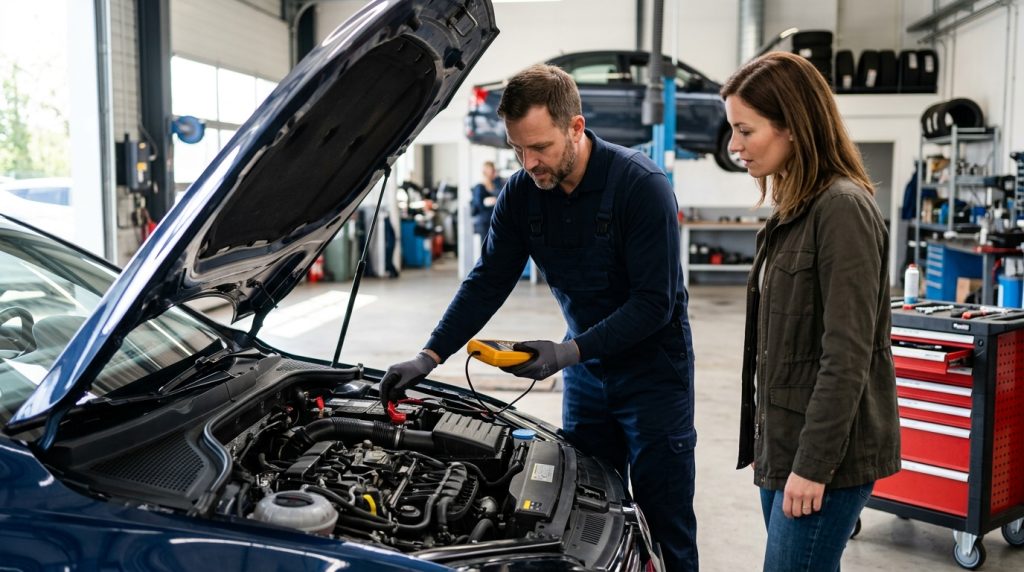
Your car battery is small compared to the engine, tires, or brakes, but it plays a major role every time you start your vehicle. It powers the starter, supports electrical systems, and helps keep your car reliable. When the battery becomes weak, your car may start slowly, show warning lights, or fail to start at all. That is why car battery maintenance is an important habit for every driver.
Many drivers only think about the battery after it dies. By then, they may already be stuck in a parking lot, driveway, or roadside situation. The good news is that simple maintenance can help reduce battery problems and extend battery life.
In this guide, you will learn practical car battery maintenance tips for 2026, including how to check warning signs, clean terminals, avoid common mistakes, and know when it may be time for replacement.
Why Car Battery Maintenance Matters
Understanding car battery maintenance matters because your battery affects more than just starting the engine. Modern vehicles rely on electrical systems for lights, sensors, infotainment, safety features, door locks, dashboard displays, and engine control systems.
A weak battery can cause:
- Slow engine starts
- Clicking sounds when turning the key
- Dim headlights
- Dashboard warning lights
- Electrical problems
- Trouble starting in cold weather
- Unexpected breakdowns
- Stress before long trips
A battery does not last forever, but proper care can help it perform better and last longer. Regular checks are especially important if your car is older, rarely driven, used for short trips, or exposed to extreme temperatures.
1. Know the Common Signs of a Weak Battery
One of the most important parts of car battery maintenance is recognizing early warning signs. A battery often gives clues before it fails completely.
Common signs of a weak battery include:
- Engine cranks slowly
- Clicking noise when starting
- Headlights look dim
- Interior lights are weak
- Battery warning light appears
- Electrical accessories act strangely
- Car starts fine one day and struggles the next
- Corrosion appears around battery terminals
- Battery case looks swollen
Do not ignore these signs. A slow start may seem minor, but it can be the beginning of battery failure. If you notice repeated starting problems, have the battery tested before it leaves you stranded.
AAA explains that battery life is affected by time, heat, and vibration, and drivers should watch for warning signs before the battery fails unexpectedly.
2. Check Battery Age
Battery age is a simple but important factor. Many car batteries last around three to five years, but actual battery life depends on climate, driving habits, battery quality, and maintenance.
Extreme heat can shorten battery life by increasing internal wear. Cold weather can make a weak battery struggle to deliver enough power. Short trips can also reduce battery life because the alternator may not have enough time to fully recharge the battery.
Look for a date code or label on the battery. If your battery is more than three years old, it is smart to test it regularly. If it is close to five years old, replacement may be worth considering before it fails unexpectedly.
Checking age is one of the easiest car battery maintenance steps.
3. Keep Battery Terminals Clean
Battery terminals can collect corrosion over time. Corrosion may appear as white, blue, or green powder around the battery posts and cable connections. This buildup can reduce electrical flow and make starting harder.
Clean terminals help the battery deliver power properly.
Basic terminal care includes:
- Inspecting terminals regularly
- Looking for corrosion
- Making sure cables are tight
- Cleaning buildup carefully
- Wearing gloves and eye protection
- Avoiding contact with battery acid
If you are not comfortable cleaning battery terminals yourself, ask a mechanic to do it during routine maintenance. Keeping connections clean is a simple way to improve reliability.
4. Make Sure the Battery Is Secure
A loose battery can move or vibrate while driving. Vibration can damage internal battery parts, loosen connections, and shorten battery life.
When inspecting your battery, check whether it is firmly held in place. The battery should not slide, shake, or tilt inside the tray. Also check the hold-down bracket if your vehicle has one.
A secure battery is especially important if you drive on rough roads, gravel roads, potholes, or long-distance routes.
This small detail is often forgotten, but it is a useful part of car battery maintenance.
5. Avoid Too Many Short Trips
Short trips can be hard on your battery. Starting the engine uses battery power, and the alternator needs time to recharge it while the engine runs. If you frequently drive only a few minutes at a time, the battery may not fully recover.
Over time, repeated short trips can weaken the battery and reduce its lifespan.
To help your battery:
- Combine short errands into one longer trip
- Drive the car long enough to recharge the battery
- Avoid leaving electronics on when the engine is off
- Consider a battery maintainer if the car sits unused often
If you drive mostly short distances, battery testing becomes even more important.
6. Turn Off Electronics Before Shutting Down
Leaving electrical accessories on can drain the battery. Headlights, interior lights, phone chargers, radios, dash cameras, and other devices can slowly use power when the engine is off.
Before leaving the car, make sure lights and accessories are turned off. Many modern vehicles turn some systems off automatically, but you should not rely on that completely.
This is especially important if your car sits overnight, over a weekend, or for several days. A small drain can become a dead battery if the vehicle is not driven.
Good habits with electronics are part of smart car battery maintenance.
7. Test the Battery Before Long Trips
Before a long road trip, have your battery tested, especially if it is older or has shown warning signs. A battery may seem fine during normal driving but fail under extra stress.
A battery test can check:
- Voltage
- Starting power
- Charging system performance
- Battery health
- Alternator output
- Connection quality
Testing is usually quick and can help you avoid roadside trouble. If the battery is weak, replacing it before the trip is usually safer than hoping it lasts.
A long trip is not the best time to discover that your battery is near the end of its life.
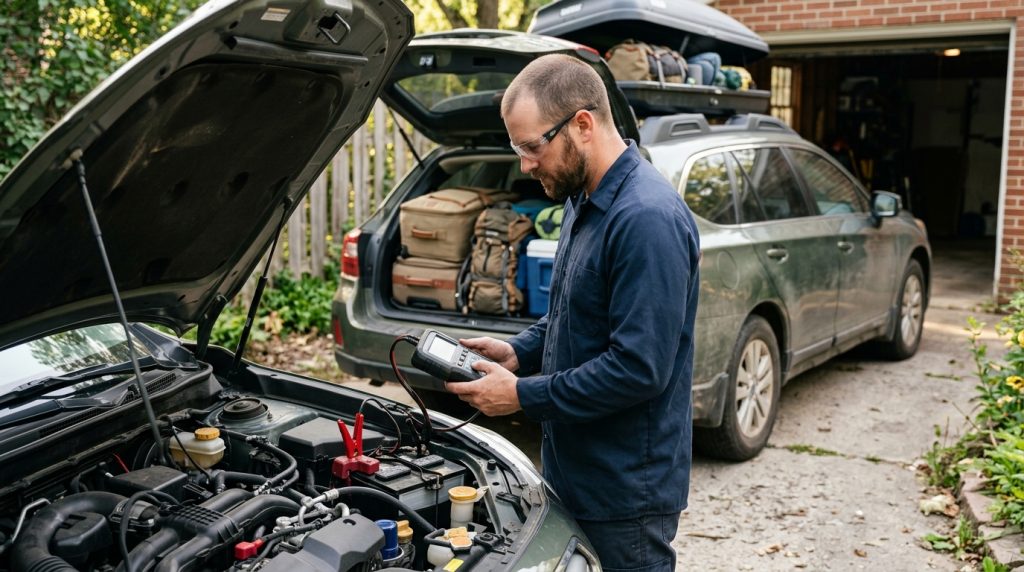
Before a long drive, it is smart to prepare your car for a long road trip by checking the battery, tires, oil, brakes, fluids, lights, and emergency supplies.
8. Know When to Replace the Battery
Even with good car battery maintenance, every battery eventually needs replacement. Waiting too long can lead to sudden failure.
You may need a new battery if:
- The battery is more than three to five years old
- The engine cranks slowly often
- The car needs jump starts
- The battery fails a load test
- The case is swollen or leaking
- Corrosion keeps returning
- Warning lights appear
- Electrical problems continue
Do not wait until the battery completely dies if warning signs are already present. Replacing a weak battery early can be cheaper and safer than dealing with towing, roadside assistance, or missed appointments.
Consumer Reports recommends being proactive with battery replacement and testing car batteries annually, especially before taking a long road trip.
How Weather Affects Car Battery Life
Weather has a major impact on battery performance. Hot weather can damage internal battery components and speed up chemical wear. Cold weather reduces battery power and makes the engine harder to start.
This is why many batteries fail during extreme weather. A battery weakened by summer heat may finally fail during the first cold morning of winter.
If you live in a very hot or cold area, inspect and test your battery more often. Park in a garage or shaded area when possible, and avoid unnecessary electrical use when the engine is off.
Climate is one reason car battery maintenance should not be ignored.
What to Do If Your Car Battery Dies
If your battery dies, stay calm. A jump start may help if the battery is simply discharged, but it may not solve the root problem.
Basic steps include:
- Make sure the car is in a safe location
- Turn off electrical accessories
- Use jumper cables or a jump starter correctly
- Let the engine run after starting
- Have the battery and charging system tested
- Replace the battery if it fails testing
If the battery dies repeatedly, there may be a deeper issue such as a weak alternator, parasitic drain, bad connection, or failing battery.
Do not keep jump-starting the car without finding the cause.
Common Car Battery Maintenance Mistakes
Many drivers shorten battery life without realizing it.
Avoid these mistakes:
- Ignoring slow starts
- Leaving lights on
- Taking only short trips
- Never testing the battery
- Ignoring corrosion
- Driving with loose battery cables
- Waiting too long to replace an old battery
- Using electronics with the engine off
- Skipping battery checks before road trips
- Assuming a jump start fixes everything
Small habits can make a big difference in battery reliability.
FAQ About Car Battery Maintenance
How often should I check my car battery?
You should visually inspect your battery every few months and test it at least once a year, especially if it is more than three years old.
How long does a car battery usually last?
Many car batteries last around three to five years, but lifespan depends on weather, driving habits, battery quality, and maintenance.
What are signs of a weak car battery?
Common signs include slow starting, clicking sounds, dim lights, warning lights, corrosion, electrical problems, and repeated jump starts.
Can short trips damage a car battery?
Yes. Frequent short trips may prevent the alternator from fully recharging the battery, which can reduce battery life over time.
Should I replace my battery before a road trip?
If the battery is old, weak, or showing warning signs, replacing it before a long trip can help prevent breakdowns.
Does cleaning battery terminals help?
Yes. Clean terminals improve electrical connection and can help prevent starting problems caused by corrosion.
Conclusion
Good car battery maintenance helps keep your vehicle reliable, reduces the risk of breakdowns, and can extend battery life. Simple habits such as checking battery age, cleaning terminals, avoiding short trips, turning off electronics, and testing before long drives can make a real difference.
Your battery may not be the most visible part of your car, but it is essential every time you start the engine. Ignoring it can lead to sudden failure and stressful roadside problems.
By following these car battery maintenance tips, you can protect your vehicle, avoid unnecessary delays, and drive with more confidence in 2026.
