
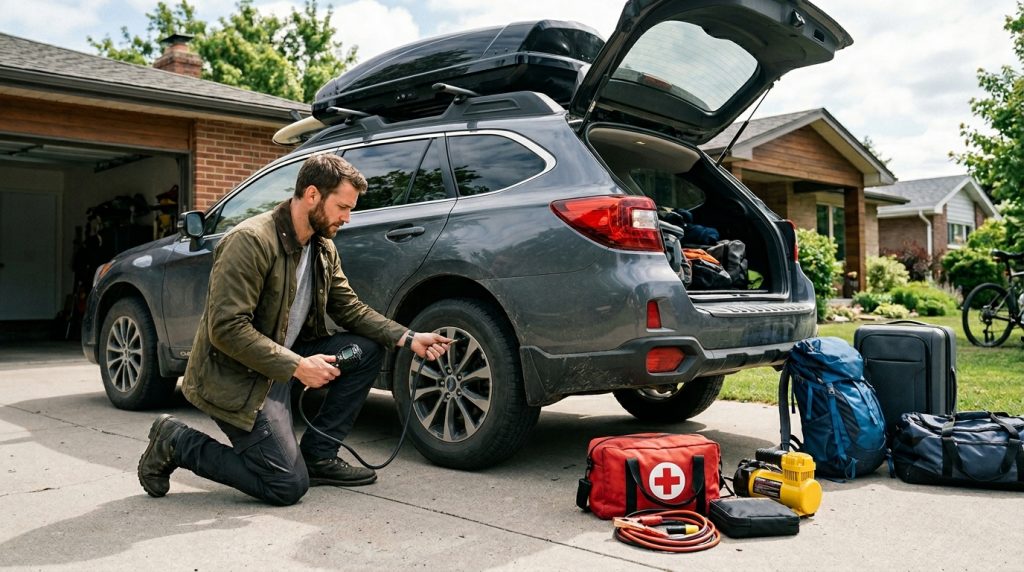
A long road trip can be exciting, but it can also become stressful if your vehicle is not ready. Before driving hundreds of miles, you should make sure your car is safe, reliable, and properly maintained. Learning how to prepare your car for a long road trip can help you avoid breakdowns, delays, expensive repairs, and unsafe situations.
Many drivers focus on packing luggage, planning routes, and booking hotels, but they forget to inspect the vehicle itself. A small problem such as low tire pressure, old engine oil, weak brakes, or a dying battery can turn a fun trip into a roadside emergency.
In this guide, you will learn how to prepare your car for a long road trip in 2026 with a practical checklist covering tires, oil, brakes, fluids, lights, battery, emergency supplies, and safety planning.
Why Road Trip Car Preparation Matters
Knowing how to prepare your car for a long road trip matters because long-distance driving puts extra stress on your vehicle. Your engine runs for longer periods, tires heat up, brakes work harder, and small issues may become bigger when you are far from home.
Good preparation can help you:
- Reduce the risk of breakdowns
- Improve fuel economy
- Protect your engine
- Improve braking safety
- Avoid tire problems
- Stay comfortable during the trip
- Handle emergencies better
- Save money on unexpected repairs
A basic inspection does not take much time, but it can make your trip safer and more enjoyable. If your car has not been serviced recently, it is smart to schedule maintenance before leaving.
AAA recommends checking key road trip items such as tires, battery, fluids, belts, hoses, and emergency supplies before a long drive.
1. Check Tire Pressure and Tire Condition
Tires should be one of the first things you inspect before a long road trip. They affect braking, handling, comfort, fuel economy, and safety.
Check tire pressure when the tires are cold. Use the recommended pressure listed in your owner’s manual or on the driver’s door sticker. Do not use the number printed on the tire sidewall as your normal pressure target because that usually shows the maximum pressure.
Also inspect tire condition carefully. Look for:
- Low tread depth
- Uneven wear
- Cracks
- Bulges
- Nails or screws
- Sidewall damage
- Slow leaks
If your tires are worn or damaged, replace them before your trip. Driving long distances on weak tires can increase the risk of a blowout.
Proper tire care is one of the most important steps when you prepare your car for a long road trip.
Before leaving, it is helpful to learn how to make car tires last longer so you can understand tire pressure, tread wear, alignment, and road trip tire safety.
2. Inspect the Brakes
Your brakes must be in good condition before any long drive. Road trips may involve highways, hills, traffic, sudden stops, rain, or unfamiliar roads. Weak brakes can become dangerous quickly.
Pay attention to warning signs such as:
- Squeaking or squealing
- Grinding noise
- Vibration while braking
- Soft brake pedal
- Brake warning light
- Longer stopping distance
- Car pulling to one side
If you notice any of these signs, schedule a brake inspection before leaving. Do not assume the brakes will be fine just because the car still stops.
A professional brake check can help identify worn pads, damaged rotors, low brake fluid, or other brake system issues.
3. Change or Check Engine Oil
Engine oil helps protect your engine during long-distance driving. If your oil is old, dirty, low, or overdue for service, change it before your trip.
Check your owner’s manual for the correct oil type and service interval. If your oil change is almost due, it is usually better to handle it before the trip instead of waiting until you return.
When checking oil, look for:
- Proper oil level
- Clean oil condition
- No burning smell
- No visible leaks
- Correct oil type
Fresh engine oil helps reduce friction, control heat, and protect engine parts. This is a simple but important step when you prepare your car for a long road trip.
4. Check All Essential Fluids
Your car depends on several fluids, not just engine oil. Before a long road trip, check all important fluid levels.
These may include:
- Coolant
- Brake fluid
- Transmission fluid
- Power steering fluid
- Windshield washer fluid
- Engine oil
Coolant is especially important because it helps prevent overheating. Long drives, hot weather, mountain roads, and heavy traffic can put extra stress on the cooling system.
If any fluid is low, find out why. Topping it off may help temporarily, but a leak or system problem should be repaired before the trip.
5. Test the Battery
A weak battery can leave you stranded, especially during extreme heat or cold. Before a road trip, inspect the battery and charging system.
Look for:
- Corrosion on battery terminals
- Loose battery cables
- Slow engine start
- Dim headlights
- Battery warning light
- Old battery age
If your battery is several years old or the car starts slowly, have it tested. Many repair shops and auto parts stores can test battery health.
Replacing a weak battery before a trip is much better than dealing with a dead battery on the road.
6. Check Lights and Signals
Lights are essential for visibility and communication with other drivers. Before leaving, test all exterior and interior lights.
Check:
- Headlights
- High beams
- Brake lights
- Turn signals
- Hazard lights
- Reverse lights
- Fog lights
- License plate light
- Dashboard lights
A burned-out brake light or turn signal can create safety risks and may lead to fines. If any bulb is not working, replace it before the trip.
Good lighting is especially important if you will drive at night, in rain, fog, or unfamiliar areas.
7. Inspect Wipers and Windshield
Clear visibility is essential on a long road trip. Old wiper blades can leave streaks, skip across the windshield, or fail during heavy rain.
Before your trip:
- Check wiper blade condition
- Fill windshield washer fluid
- Clean the windshield inside and outside
- Look for cracks or chips
- Make sure defrosters work properly
A small windshield chip can spread during temperature changes or road vibration. If the damage is serious, repair it before traveling.
Good visibility helps reduce driver fatigue and improves safety.
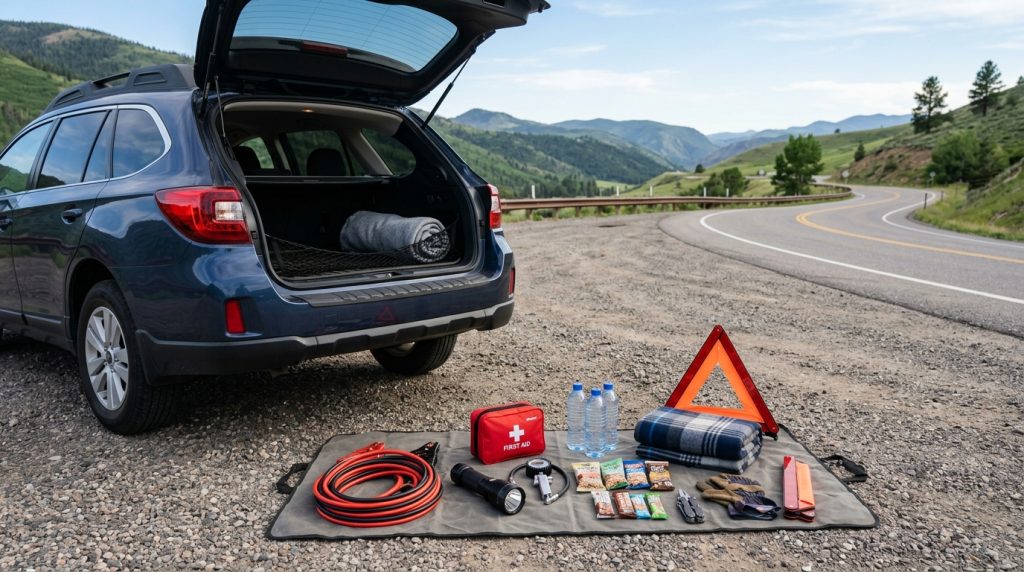
8. Prepare an Emergency Car Kit
An emergency kit is a smart part of any road trip plan. Even a well-maintained car can face unexpected problems.
Your emergency kit may include:
- Jumper cables or jump starter
- Flashlight
- First-aid kit
- Tire inflator
- Tire pressure gauge
- Basic tools
- Reflective warning triangles
- Phone charger
- Water
- Snacks
- Blanket
- Gloves
- Emergency contact information
If your car has a spare tire, make sure it is properly inflated and that you have the tools needed to change it.
An emergency kit helps you stay safer if you have a flat tire, dead battery, bad weather, or roadside delay.
9. Plan Your Route and Fuel Stops
Vehicle preparation is not only mechanical. Planning your route can also protect your car and reduce stress.
Before leaving, check:
- Route options
- Traffic conditions
- Fuel stops
- Rest areas
- Weather forecast
- Construction zones
- Toll roads
- Charging stations if driving an EV
- Service centers along the way
Do not wait until the fuel tank is nearly empty, especially in rural areas. It is smart to refuel before reaching a low level.
Planning helps you avoid unnecessary detours, overheating in traffic, or running low on fuel far from help.
10. Do a Final Test Drive
After checking everything, take a short test drive before your trip. This can help you notice problems before you are far from home.
During the test drive, pay attention to:
- Steering feel
- Brake response
- Engine noise
- Warning lights
- Suspension comfort
- Tire vibration
- Air conditioning
- Transmission shifting
If something feels unusual, inspect it before leaving. A final test drive is one of the simplest ways to prepare your car for a long road trip with more confidence.
What to Check the Day Before the Trip
The day before your road trip, do a quick final check.
Review:
- Tire pressure
- Fuel level
- Oil level
- Coolant level
- Washer fluid
- Lights
- Wipers
- Emergency kit
- Phone charger
- Navigation route
This final check can catch small problems before they become stressful on the road.
Common Road Trip Preparation Mistakes
Many drivers make simple mistakes before long trips.
Avoid these common problems:
- Ignoring tire pressure
- Skipping brake inspection
- Driving with old oil
- Forgetting coolant
- Not testing the battery
- Ignoring warning lights
- Leaving without an emergency kit
- Overloading the vehicle
- Forgetting the spare tire
- Waiting until the last minute for repairs
The best time to fix car problems is before your trip, not during it.
FAQ About How to Prepare Your Car for a Long Road Trip
What should I check before a long road trip?
You should check tires, oil, brakes, coolant, battery, lights, wipers, windshield, emergency kit, fuel level, and dashboard warning lights.
Should I change oil before a road trip?
If your oil change is due soon or the oil looks dirty, it is smart to change it before a long road trip. Fresh oil helps protect the engine during extended driving.
How soon should I inspect my car before a trip?
It is best to inspect your car several days before the trip. This gives you time to fix problems before leaving.
Should I check tire pressure before highway driving?
Yes. Proper tire pressure improves safety, handling, fuel economy, and tire life. Check pressure when tires are cold.
What should be in a road trip emergency kit?
A basic emergency kit should include jumper cables, flashlight, first-aid kit, tire gauge, tire inflator, phone charger, water, snacks, gloves, and warning triangles.
Is a mechanic inspection necessary before a long road trip?
If your car is older, high-mileage, recently had problems, or has not been serviced in a while, a mechanic inspection is a smart idea.
Conclusion
Learning how to prepare your car for a long road trip can help you travel with more confidence, comfort, and safety. A good road trip starts before you leave the driveway.
Check your tires, brakes, oil, fluids, battery, lights, wipers, windshield, and emergency kit. Plan your route, avoid overloading the vehicle, and take a short test drive before departure.
A little preparation can prevent major problems on the road. When you know how to prepare your car for a long road trip, you can focus more on the journey and less on unexpected car trouble.
