

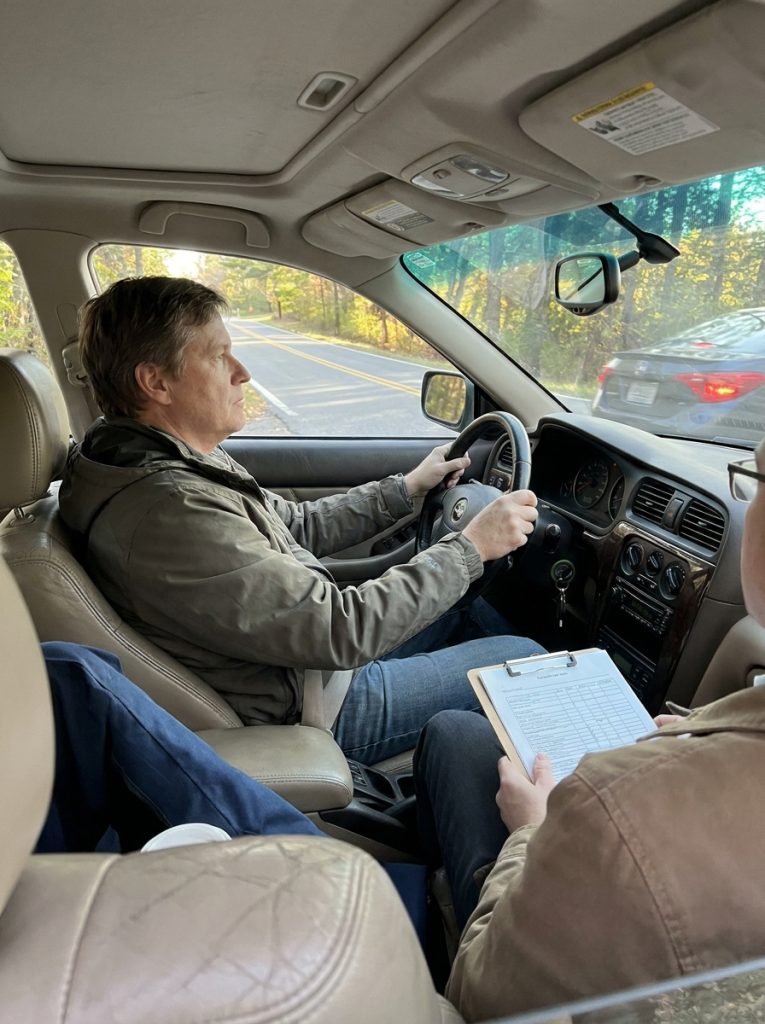
A test drive is one of the most important steps before buying a used vehicle. Photos, online listings, seller descriptions, and even clean interiors can only tell you so much. The real condition of a vehicle often becomes clearer when you actually drive it. That is why learning how to test drive a used car can help you avoid hidden problems and make a smarter buying decision.
A used car may look great while parked, but problems with the engine, transmission, brakes, steering, suspension, or electronics may appear during the drive. Some issues are subtle, while others are obvious once the vehicle is moving.
In this guide, you will learn how to test drive a used car like a pro in 2026. We will cover what to check before driving, what to watch for on the road, and what to do before making your final decision.
Before the test drive, it is helpful to review a used car buying checklist so you know what to inspect before paying.
Why a Used Car Test Drive Matters
A test drive matters because it shows how the vehicle performs in real driving conditions. A car may pass a quick visual inspection but still have problems that only appear during acceleration, braking, turning, shifting, or highway driving.
When you test drive a used car, you can check:
- Engine performance
- Transmission shifting
- Brake response
- Steering feel
- Suspension comfort
- Road noise
- Warning lights
- Visibility
- Seat comfort
- Air conditioning
- Parking ease
Skipping the test drive is risky. If a seller refuses to let you drive the car, that should be a warning sign. A serious buyer should have the chance to evaluate the vehicle before payment.
Consumer Reports recommends using the test drive to check comfort, visibility, controls, ride quality, braking, acceleration, and overall driving feel before making a purchase decision.
1. Inspect the Car Before the Test Drive
Before you start the engine, take a few minutes to inspect the car. Walk around the vehicle and look for obvious issues.
Check:
- Tire condition
- Body damage
- Rust
- Fluid leaks
- Windshield cracks
- Lights
- Mirrors
- Paint differences
- Panel gaps
- Interior wear
Look under the car for leaks or wet spots. Check whether the tires are evenly worn. Uneven tire wear may suggest alignment, suspension, or steering problems.
A quick inspection before you test drive a used car helps you understand what to pay attention to while driving.
2. Start the Engine Cold If Possible
A cold start can reveal problems that may be hidden once the engine is warm. If possible, ask the seller not to warm up the vehicle before you arrive.
When starting the engine, listen carefully.
Watch for:
- Slow cranking
- Rough idle
- Knocking sounds
- Ticking noises
- Excessive smoke
- Strong fuel smell
- Warning lights staying on
- Engine shaking
The engine should start smoothly and settle into a steady idle. A rough start does not always mean a major problem, but it should make you more cautious.
If the seller already had the car running before you arrived, ask why. Sometimes sellers warm up cars to hide cold-start issues.
3. Check Dashboard Warning Lights
Before driving, look at the dashboard. Most warning lights should turn on briefly when you start the car and then turn off.
Pay attention to lights such as:
- Check engine light
- Oil pressure warning
- Battery warning
- Brake warning
- ABS light
- Airbag light
- Tire pressure warning
- Temperature warning
If a warning light stays on, ask the seller about it and do not accept vague explanations. A warning light may indicate a simple sensor issue, but it can also reveal expensive mechanical or safety problems.
Dashboard lights are important when you test drive a used car because they may show issues the seller did not mention.
4. Test Acceleration Smoothly
During the drive, test acceleration gently and then more firmly when safe. The car should respond smoothly without hesitation, shaking, or strange noises.
Watch for:
- Delayed response
- Jerking
- Engine hesitation
- Loss of power
- Unusual vibration
- Loud knocking
- Excessive exhaust smoke
A healthy engine should accelerate consistently. If the car feels weak, rough, or unpredictable, it may need further inspection.
Do not push the vehicle dangerously, but make sure you experience enough normal driving conditions to judge performance.
5. Pay Attention to Transmission Shifting
Transmission problems can be expensive, so this is one of the most important areas to check during a test drive.
For automatic transmissions, notice whether the car shifts smoothly. There should not be harsh jerks, long delays, slipping, or sudden clunks.
For manual transmissions, check whether the clutch engages smoothly and whether gears shift without grinding.
Warning signs include:
- Delayed gear engagement
- Hard shifting
- Slipping gears
- Burning smell
- Grinding noise
- Jerking during acceleration
- Transmission warning light
When you test drive a used car, transmission feel can tell you a lot about the vehicle’s condition.
6. Test the Brakes Carefully
Brakes should feel strong, smooth, and predictable. Find a safe area and test braking at low and moderate speeds.
Pay attention to:
- Squeaking
- Grinding
- Vibration
- Soft brake pedal
- Hard brake pedal
- Car pulling to one side
- Longer stopping distance
- Brake warning light
A little surface noise after rain may not always be serious, but grinding, vibration, or weak braking should not be ignored.
Brake repairs can become expensive if worn pads damage rotors or calipers. More importantly, weak brakes are a safety risk.
7. Check Steering and Handling
Steering should feel stable and controlled. The car should drive straight without pulling strongly to one side.
During the drive, check:
- Steering wheel vibration
- Pulling left or right
- Loose steering feel
- Strange clicking during turns
- Difficulty turning
- Steering wheel not centered
- Uneven handling
If the car pulls to one side, it may have alignment, tire, suspension, or brake problems. If the steering feels loose or unstable, have the car inspected before buying.
Good steering is especially important if you will use the vehicle for daily commuting, highway driving, or family transportation.
8. Listen for Suspension and Road Noise
Drive over normal bumps, rough pavement, and turns if possible. The suspension should feel controlled, not noisy or unstable.
Listen for:
- Clunking
- Rattling
- Squeaking
- Excessive bouncing
- Knocking over bumps
- Loud road noise
- Vibration at speed
Some road noise is normal, especially in older vehicles. However, loud clunks or heavy vibration may indicate worn suspension parts, bad wheel bearings, damaged tires, or alignment problems.
A good test drive should include more than smooth roads. You need to know how the car behaves in everyday conditions.
9. Test Comfort, Visibility, and Controls
A used car may be mechanically sound but still uncomfortable for your daily life. During the test drive, pay attention to how the vehicle feels.
Check:
- Seat comfort
- Driving position
- Visibility
- Mirror adjustment
- Blind spots
- Dashboard layout
- Air conditioning
- Heating
- Infotainment system
- Backup camera
- Parking ease
- Cabin noise
You should feel comfortable and confident behind the wheel. If the car is hard to see out of, difficult to park, or uncomfortable after a short drive, it may not be the best choice for long-term ownership.
10. Drive in Different Conditions
A short drive around the block is not enough. If possible, drive in different conditions so you can properly test drive a used car.
Try to include:
- City streets
- Stop-and-go traffic
- Turns
- Parking
- Moderate acceleration
- Braking
- Rough pavement
- Highway speed if possible
Some problems only appear at higher speeds. Others show up during braking, turning, parking, or low-speed driving.
If the seller limits the drive too much without a good reason, be cautious. You need enough time to evaluate the car properly.
What to Do After the Test Drive
After the drive, do not make a quick emotional decision. Park the car and inspect it again.
Check for:
- New leaks
- Burning smells
- Engine overheating
- Warning lights
- Tire issues
- Smoke
- Strange noises after shutdown
Ask yourself whether the car felt safe, smooth, comfortable, and predictable. If you noticed problems, write them down and discuss them with a mechanic.
A test drive is not a replacement for a professional inspection. If you like the car, the next step should be a pre-purchase inspection.
Common Test Drive Mistakes to Avoid
Many buyers do not get enough value from the test drive because they rush.
Avoid these mistakes:
- Driving for only a few minutes
- Ignoring warning lights
- Not testing brakes
- Forgetting highway speed
- Not checking air conditioning
- Ignoring strange noises
- Letting the seller distract you
- Not testing parking
- Focusing only on appearance
- Skipping mechanic inspection
The goal is not just to see if the car moves. The goal is to understand how the vehicle behaves before you pay.
FAQ About How to Test Drive a Used Car
How long should I test drive a used car?
A good test drive should last long enough to check acceleration, braking, steering, suspension, parking, visibility, comfort, and warning lights. If possible, drive in more than one road condition.
Should I test drive a used car before inspection?
Yes. A test drive helps you decide whether the car is worth a professional inspection. However, a mechanic inspection is still recommended before purchase.
What should I listen for during a test drive?
Listen for knocking, grinding, rattling, squeaking, clunking, whining, or unusual engine and suspension noises.
Can I buy a used car without a test drive?
It is not recommended. Buying without a test drive increases the risk of missing mechanical, comfort, handling, or safety problems.
What if the seller refuses a test drive?
If the seller refuses without a valid reason, treat it as a warning sign. You should not pay for a used car that you cannot properly evaluate.
Should I test drive at highway speed?
If safe and allowed, yes. Some vibration, transmission, steering, or engine problems only appear at higher speeds.
Conclusion
Learning how to test drive a used car is one of the smartest steps before buying. A test drive can reveal problems that photos, listings, and seller descriptions may hide.
Before driving, inspect the car, check the dashboard, and start the engine carefully. During the drive, pay attention to acceleration, transmission, brakes, steering, suspension, comfort, visibility, and warning lights.
Do not rush the process. If something feels wrong, ask questions and get a professional inspection. When you know how to test drive a used car, you can make a safer decision, avoid costly surprises, and buy with more confidence.
