
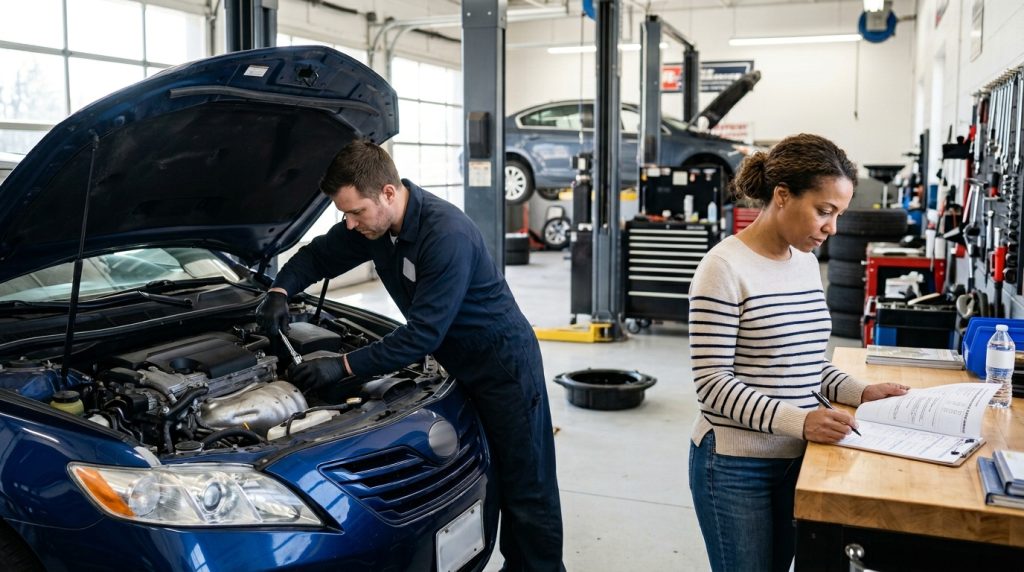
Many drivers delay maintenance because they want to avoid spending money. At first, skipping an oil change, ignoring tire rotation, or postponing a brake inspection may seem like a way to save cash. However, the opposite is often true. Regular car servicing saves you money because it helps prevent major repairs, improves fuel efficiency, protects safety, and keeps your vehicle reliable for longer.
A car is a long-term investment. Like any machine, it needs routine care to perform well. Small maintenance tasks can catch problems early before they become expensive failures. Waiting until something breaks usually costs more than preventing the problem in the first place.
In this guide, we will explain why regular car servicing saves you money in 2026 and how simple maintenance habits can reduce long-term ownership costs.
Why Regular Car Servicing Matters
Regular car servicing matters because your vehicle depends on many connected systems. The engine, brakes, tires, battery, fluids, filters, belts, suspension, and electronics all work together. If one part is neglected, it can affect other parts and create bigger problems.
For example, old engine oil can increase engine wear. Low tire pressure can reduce fuel economy and shorten tire life. Worn brake pads can damage rotors. A weak battery can leave you stranded and lead to emergency service costs.
When you service your car on schedule, you reduce the risk of surprise breakdowns. That is one of the biggest reasons regular car servicing saves you money over time.
1. It Helps Prevent Expensive Repairs
Preventive maintenance is usually cheaper than major repair work. A simple oil change costs far less than engine repair. Replacing brake pads early is cheaper than replacing damaged rotors and calipers. Checking coolant can help prevent overheating and serious engine damage.
Common problems that regular servicing can help prevent include:
- Engine wear
- Brake damage
- Overheating
- Battery failure
- Tire blowouts
- Transmission issues
- Suspension damage
- Fluid leaks
Small issues are easier and cheaper to fix when they are found early. If you wait until the car breaks down, the repair may involve towing, emergency labor, replacement parts, and lost time.
This is one of the clearest ways regular car servicing saves you money.
2. It Improves Fuel Economy
A poorly maintained car often uses more fuel. Dirty air filters, low tire pressure, old spark plugs, poor wheel alignment, and neglected fluids can make the engine work harder.
When your vehicle runs efficiently, it usually burns less fuel. Over months and years, fuel savings can become significant.
Regular servicing may improve fuel efficiency by:
- Keeping tires properly inflated
- Replacing dirty air filters
- Maintaining clean engine oil
- Checking spark plugs
- Fixing alignment problems
- Ensuring sensors work correctly
- Keeping the engine tuned
Fuel is one of the most frequent costs of car ownership. Even small improvements in fuel economy can help reduce your monthly driving expenses.
3. It Extends the Life of Your Vehicle
A well-maintained vehicle usually lasts longer than one that is neglected. Regular servicing helps reduce wear on important parts and keeps systems working properly.
If you want to keep your car for many years, maintenance is essential. A vehicle that receives routine care can remain dependable long after a poorly maintained car begins to fail.
Servicing can help extend the life of:
- Engine components
- Transmission parts
- Tires
- Brakes
- Battery
- Suspension
- Cooling system
- Electrical systems
The longer your car lasts, the longer you can avoid buying a replacement vehicle. Since buying another car can be expensive, keeping your current car reliable is a major financial advantage.
4. It Protects Resale Value
Another reason regular car servicing saves you money is resale value. Buyers usually feel more confident when a car has clear service records. Maintenance history shows that the vehicle was cared for and may be less risky to buy.
A car with missing records, warning lights, dirty fluids, worn tires, and neglected maintenance may sell for less. Buyers may also use poor maintenance as a reason to negotiate a lower price.
To protect resale value, keep records of:
- Oil changes
- Tire rotations
- Brake service
- Battery replacement
- Fluid changes
- Filter replacements
- Major repairs
- Inspection reports
- Warranty work
Organized service records can make your car more attractive when you sell or trade it in.
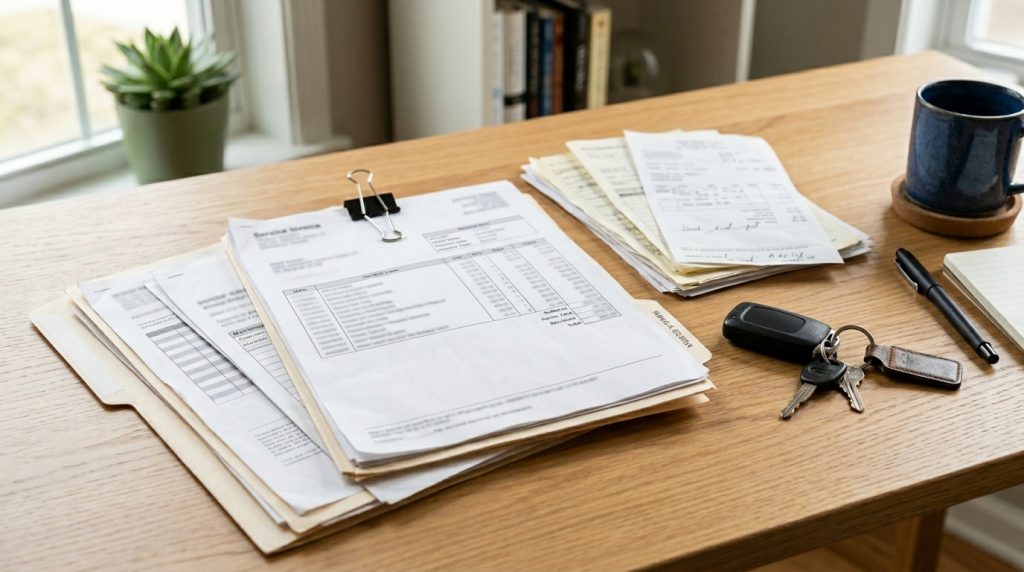
Kelley Blue Book also explains that routine car maintenance helps protect safety, reliability, and vehicle value while preventing expensive repairs.
5. It Reduces the Risk of Breakdowns
Breakdowns can be expensive and stressful. They can happen at the worst times, such as during a commute, road trip, bad weather, or when you are far from home.
A breakdown may lead to:
- Towing costs
- Emergency repairs
- Missed work
- Travel delays
- Rental car expenses
- Safety risks
- Higher repair bills
Regular servicing helps reduce these risks by checking the parts most likely to fail. A mechanic can inspect the battery, belts, hoses, tires, brakes, fluids, and warning lights before they become serious problems.
No maintenance plan can prevent every breakdown, but routine servicing greatly improves your chances of avoiding one.
6. It Keeps Your Brakes and Tires Safer
Brakes and tires are two of the most important safety systems on your vehicle. They also affect long-term costs.
If brake pads are replaced on time, you may avoid rotor damage. If tires are rotated and inflated properly, they can wear more evenly and last longer. If alignment is checked when needed, you can avoid uneven tire wear and poor handling.
Regular service can include:
- Brake pad inspection
- Brake fluid check
- Tire pressure check
- Tire rotation
- Tread depth inspection
- Wheel alignment check
- Suspension inspection
Good brake and tire maintenance improves safety and helps prevent unnecessary replacement costs. This is another practical example of how regular car servicing saves you money.
Tire care is part of routine servicing, and learning how to make car tires last longer can help reduce replacement costs over time.
7. It Helps Catch Fluid Problems Early
Your car depends on several fluids to work properly. Engine oil, coolant, brake fluid, transmission fluid, power steering fluid, and windshield washer fluid all serve different purposes.
Low, dirty, or leaking fluids can cause serious problems. For example, low coolant can lead to overheating. Old brake fluid can affect braking performance. Transmission fluid problems can lead to costly transmission repairs.
During regular servicing, a technician can check:
- Fluid levels
- Fluid condition
- Leaks
- Hoses
- Seals
- Recommended replacement intervals
Catching fluid issues early can prevent expensive mechanical failures. Fluid checks are simple, but they can protect some of the most expensive parts of the vehicle.
8. It Gives You More Confidence Before Long Trips
Before a long drive, you want to know that your car is ready. Regular servicing gives you more confidence because important systems have been checked.
A pre-trip service may include:
- Oil check
- Tire inspection
- Brake inspection
- Battery test
- Fluid top-off
- Light check
- Wiper inspection
- Belt and hose inspection
This can help you avoid breakdowns far from home. It can also make the trip more comfortable and less stressful.
If your vehicle has been serviced regularly, you are less likely to discover major problems right before leaving. Planning ahead is cheaper and safer than dealing with emergency repairs during travel.
What Does Regular Car Servicing Usually Include?
Regular car servicing may vary depending on your vehicle, mileage, age, and manufacturer recommendations. However, many services include basic checks and replacements.
Common service items include:
- Engine oil and oil filter change
- Tire rotation
- Brake inspection
- Battery test
- Fluid checks
- Air filter inspection
- Cabin filter inspection
- Wiper blade check
- Light inspection
- Belt and hose inspection
- Tire pressure check
- Diagnostic scan if warning lights appear
The best service schedule is usually found in your owner’s manual. Following the manufacturer’s recommendations helps keep your car reliable and may protect warranty coverage.
How Often Should You Service Your Car?
There is no single schedule that fits every vehicle. Service frequency depends on your car, mileage, oil type, driving conditions, and manufacturer recommendations.
You may need more frequent servicing if you:
- Drive in heavy traffic
- Take many short trips
- Drive in extreme heat or cold
- Tow heavy loads
- Drive on dusty roads
- Use the car for work or delivery
- Drive long distances often
- Own an older vehicle
Many modern cars also have maintenance reminder systems. These can be helpful, but you should still understand your owner’s manual and real driving conditions.
The key is to service the car before problems become expensive.
Common Maintenance Mistakes That Cost Drivers Money
Many drivers spend more than necessary because they delay simple maintenance.
Avoid these common mistakes:
- Skipping oil changes
- Ignoring warning lights
- Driving with low tire pressure
- Waiting too long to replace brake pads
- Forgetting battery checks
- Ignoring fluid leaks
- Not rotating tires
- Skipping pre-trip inspections
- Throwing away service records
- Using the wrong oil or parts
- Ignoring strange noises or smells
These mistakes may seem small at first, but they can lead to bigger repair bills later.
FAQ About Regular Car Servicing Saves You Money
How does regular car servicing save money?
Regular car servicing saves you money by preventing major repairs, improving fuel economy, extending vehicle life, protecting resale value, and reducing breakdown risks.
Is regular servicing cheaper than repairs?
In most cases, yes. Preventive maintenance is usually much cheaper than repairing major engine, brake, transmission, cooling system, or suspension problems.
What happens if I skip regular car servicing?
Skipping service can lead to poor fuel economy, faster wear, warning lights, breakdowns, expensive repairs, lower resale value, and safety issues.
How often should I service my car?
Follow your owner’s manual. Service intervals depend on your vehicle, mileage, oil type, driving habits, and conditions.
Does servicing help resale value?
Yes. A car with complete service records is usually easier to sell and may attract more confident buyers.
What is the most important car service?
Oil changes, brake inspections, tire maintenance, fluid checks, and battery testing are among the most important routine services.
Conclusion
Regular car servicing saves you money because it helps prevent expensive repairs, improves fuel economy, extends vehicle life, protects resale value, and reduces the chance of breakdowns. Skipping maintenance may seem cheaper in the short term, but it often leads to higher costs later.
A well-maintained car is safer, more reliable, and easier to own. Simple services such as oil changes, tire rotations, brake checks, fluid inspections, and battery tests can protect your vehicle for years.
If you want to lower long-term ownership costs, do not wait until something breaks. Follow your service schedule, keep maintenance records, and treat regular servicing as an investment in your car’s future. When done consistently, regular car servicing saves you money and helps you drive with more confidence.
