
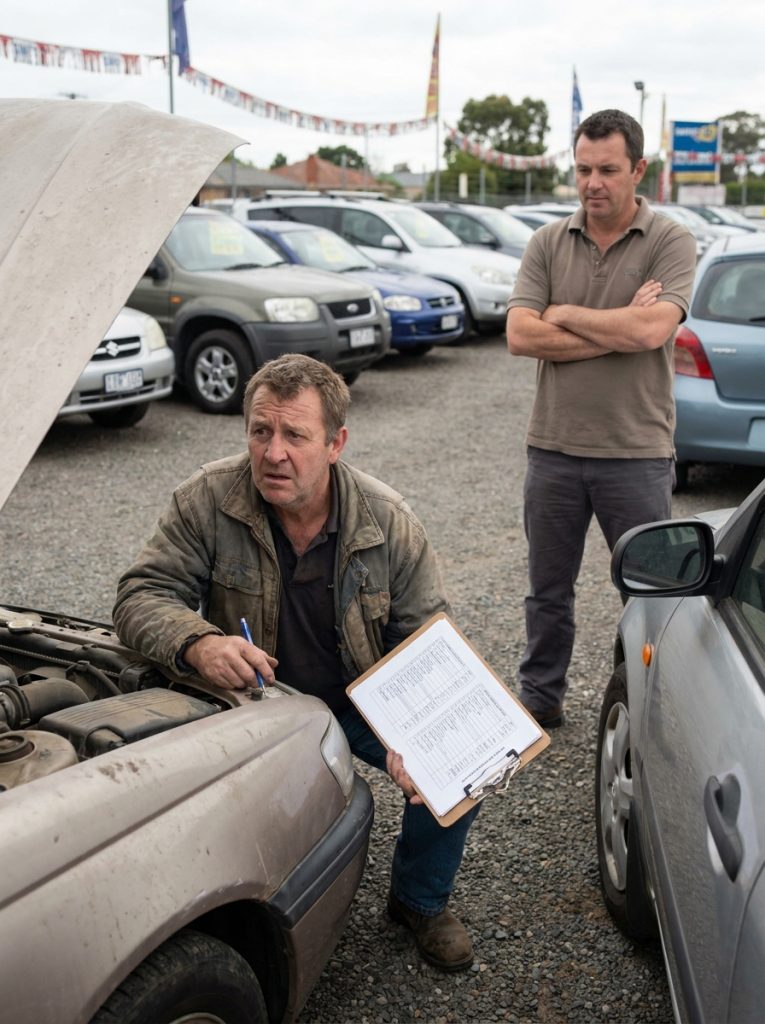
Buying a used car can be a smart way to save money, but it can also become stressful if you make the wrong decision. A used car may look clean, affordable, and reliable at first, but hidden problems can appear after you pay. That is why understanding the most common mistakes when buying used cars is important before you contact a seller or visit a dealership.
Many buyers rush because they are excited about a low price or attractive photos. Others trust the seller too quickly, skip inspections, ignore paperwork, or forget the real cost of ownership. These mistakes can lead to expensive repairs, title problems, insurance surprises, and regret.
In this guide, we will explain 10 common mistakes when buying used cars in 2026 and how to avoid them before making a final decision.
A complete used car buying checklist can help you inspect history, title, VIN, mileage, tires, brakes, engine condition, documents, and test drive results before paying.
Why Used Car Buying Mistakes Matter
Used cars can offer great value, but every used vehicle has a history. Some cars were carefully maintained, while others may have been damaged, neglected, poorly repaired, or driven hard.
The problem is that many issues are not obvious during a quick look. A clean exterior does not always mean the engine, transmission, brakes, suspension, or documents are in good condition. A low price does not always mean a good deal.
Avoiding mistakes when buying used cars helps you protect your money, reduce repair risks, and choose a vehicle that is safer and more reliable.
1. Skipping the Vehicle History Report
One of the biggest mistakes when buying used cars is skipping the vehicle history report. This report can show important information about the car’s past, including accident records, title status, mileage history, previous ownership, and sometimes service records.
A vehicle history report may reveal:
- Salvage or rebuilt title
- Flood damage
- Major accident history
- Odometer problems
- Theft records
- Multiple ownership changes
- Inconsistent mileage
- Reported damage
A clean report does not guarantee the car is perfect, but it gives you important clues. If the seller refuses to share the VIN or avoids questions about the history report, be careful.
Before trusting a used car listing, you can use CARFAX vehicle history reports to review reported accidents, ownership history, title issues, mileage records, and other details that may reveal hidden problems.
2. Not Checking the Title Carefully
The vehicle title proves ownership. If the title has problems, you may face registration delays, legal issues, or trouble selling the car later.
Before buying, check:
- Seller name
- VIN
- Title brand
- Lien information
- Vehicle year, make, and model
- Signature requirements
- Ownership status
Be cautious with missing titles, salvage titles, rebuilt titles, title jumping, or sellers who say they will “send the title later.” A car without clear paperwork can become a serious problem.
Title mistakes are among the most expensive mistakes when buying used cars because they may affect your legal ownership.
3. Ignoring the VIN
The VIN, or Vehicle Identification Number, should match everywhere. Compare the VIN on the dashboard, driver’s door frame, title, registration, insurance documents, and vehicle history report.
If the VIN does not match, do not ignore it. It may be a simple paperwork error, but it could also indicate fraud, theft, incorrect documents, or title problems.
A correct VIN helps you verify the exact vehicle, check history, review recalls, confirm documents, and avoid buying the wrong car.
4. Focusing Only on the Price
Many buyers get excited when they see a cheap used car. However, a low price can sometimes hide expensive problems.
A cheap car may need:
- New tires
- Brake repairs
- Battery replacement
- Engine work
- Transmission repair
- Suspension repairs
- Fluid service
- Electrical diagnosis
- Registration or title correction
Instead of asking only, “Is this car cheap?” ask, “What will this car cost after repairs, insurance, registration, and maintenance?”
Focusing only on the price is one of the most common mistakes when buying used cars because the cheapest car is not always the best value.
5. Skipping the Test Drive
Never buy a used car without a proper test drive. Photos, descriptions, and seller promises cannot show how the car performs on the road.
During the test drive, check:
- Engine response
- Transmission shifting
- Braking
- Steering
- Suspension comfort
- Road noise
- Warning lights
- Visibility
- Parking ease
- Air conditioning
- Dashboard controls
Drive on different roads if possible. Try slow streets, turns, parking areas, and higher speeds. If the seller refuses a test drive, that is a serious warning sign.
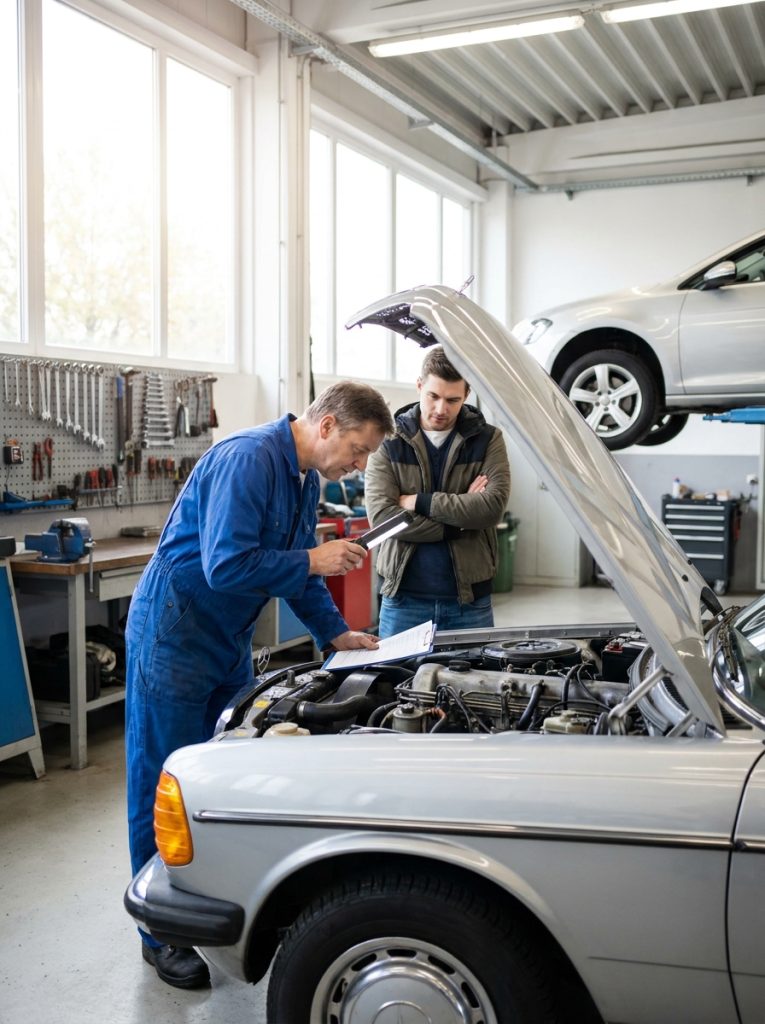
6. Not Getting a Mechanic Inspection
A professional inspection can reveal problems that most buyers may miss. Even if the car looks good and drives well, hidden issues may still exist.
A mechanic can inspect:
- Engine condition
- Transmission
- Brakes
- Suspension
- Tires
- Fluids
- Leaks
- Belts and hoses
- Frame damage
- Diagnostic trouble codes
Skipping a mechanic inspection may save a little money at first, but it can cost much more later. A pre-purchase inspection is especially important for high-mileage cars, older vehicles, private-party sales, or cars without service records.
7. Trusting the Seller Too Quickly
Some sellers are honest, but buyers should still verify everything. Trusting the seller without checking documents, condition, mileage, or history is risky.
Be careful if the seller:
- Pressures you to buy quickly
- Refuses inspection
- Avoids VIN questions
- Has missing paperwork
- Changes the story about the car
- Will not allow a test drive
- Wants unusual payment methods
- Says “everything is fine” without proof
A good seller should allow you to inspect the car, review documents, ask questions, and take time to decide.
8. Ignoring Warning Lights
Dashboard warning lights should never be ignored. Some lights may be simple, but others can indicate serious mechanical or safety problems.
Common warning lights include:
- Check engine light
- Oil pressure warning
- Battery warning
- Brake warning
- ABS warning
- Tire pressure warning
- Airbag warning
- Engine temperature warning
If a warning light stays on during the test drive, ask why. Do not accept vague explanations such as “it is just a sensor” unless a mechanic confirms it.
Ignoring warning lights is one of the most dangerous mistakes when buying used cars because it may hide expensive repairs.
9. Forgetting Insurance and Ownership Costs
The purchase price is not the only cost. Used car buyers should also consider insurance, fuel, registration, taxes, repairs, maintenance, tires, and depreciation.
Before buying, estimate:
- Insurance cost
- Fuel cost
- Registration fees
- Taxes
- Maintenance needs
- Repair risks
- Tire replacement cost
- Loan interest
- Emergency fund
A car that looks affordable at purchase may become expensive to own. This is especially true for luxury cars, sporty cars, older vehicles, or models with costly parts.
10. Rushing the Final Payment
Rushing payment is one of the final mistakes when buying used cars. Before paying, review everything carefully.
Before handing over money, confirm:
- Title is correct
- VIN matches
- Bill of sale is complete
- Seller identity is clear
- Final price is agreed
- Payment method is safe
- Keys and documents are included
- Insurance is ready
- Registration steps are understood
- Any promises are written down
Never let pressure or excitement make you skip the final review. A few extra minutes can prevent major problems later.
Common Red Flags When Buying a Used Car
Some warning signs should make you slow down or walk away.
Be careful if you notice:
- Seller refuses inspection
- Seller refuses to share VIN
- Missing title
- Mismatched VIN
- Salvage history without explanation
- Strong burning smell
- Heavy smoke from exhaust
- Warning lights stay on
- Car pulls to one side
- Fresh paint hiding damage
- Price is far below market value
- Seller pressures you to pay immediately
A good deal should still feel clear, honest, and safe.
How to Avoid Used Car Buying Mistakes
The best way to avoid mistakes when buying used cars is to follow a simple process.
Before buying, you should:
- Research the model
- Compare prices
- Ask for the VIN
- Check the history report
- Review the title
- Inspect the car in daylight
- Take a test drive
- Get a mechanic inspection
- Estimate ownership costs
- Review all documents before payment
A careful buyer is less likely to regret the purchase later.
FAQ About Mistakes When Buying Used Cars
What is the biggest mistake when buying a used car?
One of the biggest mistakes is buying without checking the vehicle history, title, VIN, and mechanical condition. Skipping these steps can lead to hidden problems.
Should I always get a used car inspected?
Yes. A pre-purchase inspection is highly recommended because a mechanic can find problems that may not be obvious during a test drive.
Is a cheap used car always a good deal?
No. A cheap car can become expensive if it needs tires, brakes, engine repairs, transmission work, or title corrections.
Can I buy a used car without service records?
You can, but it is riskier. If service records are missing, a mechanic inspection becomes even more important.
What should I check before paying for a used car?
Check the title, VIN, vehicle history report, bill of sale, seller identity, test drive results, inspection report, final price, and registration requirements.
What should I do if the seller pressures me?
Slow down or walk away. A trustworthy seller should allow you enough time to inspect the vehicle and review the paperwork.
Conclusion
Avoiding common mistakes when buying used cars can help you make a safer, smarter, and more confident purchase. Used cars can offer excellent value, but only if you inspect carefully and verify the details before paying.
Do not skip the vehicle history report, title check, VIN verification, test drive, or mechanic inspection. Do not focus only on price, ignore warning lights, or trust verbal promises without proof.
A reliable used car is worth the extra time and attention. When you understand the most common mistakes when buying used cars, you can protect your budget, avoid hidden problems, and choose a vehicle that fits your needs.
