
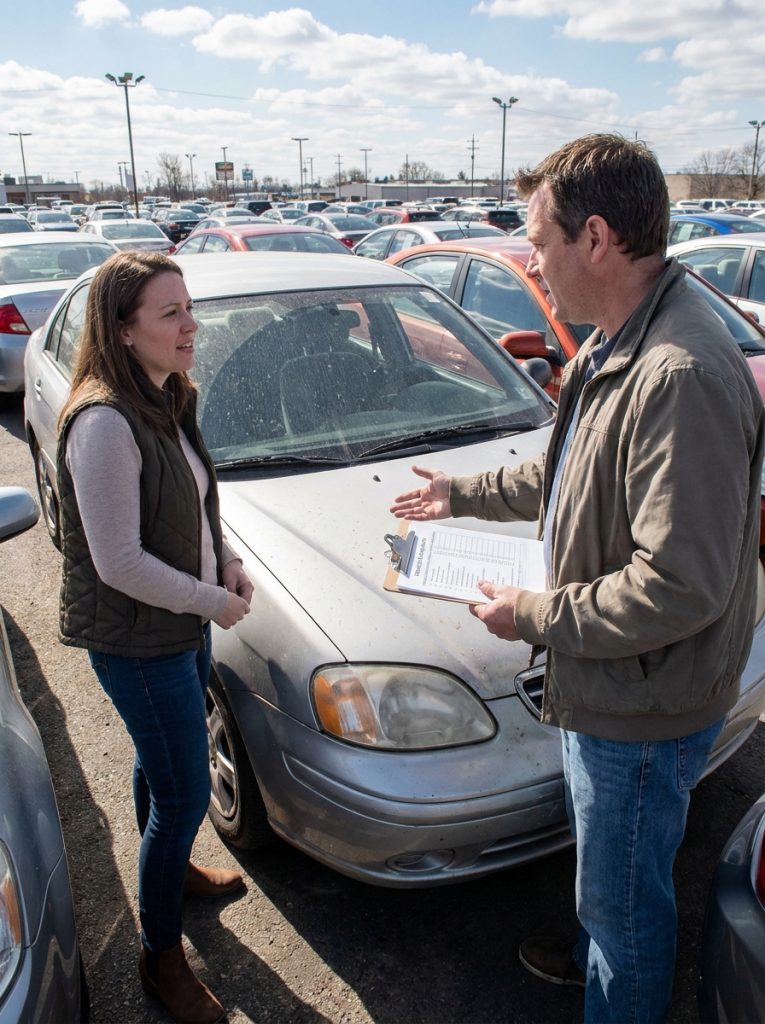
Buying a used car can be a smart way to save money, but asking the right questions is just as important as inspecting the vehicle. A car may look clean, drive well, and seem affordable, but the seller’s answers can reveal important details about ownership history, maintenance, repairs, title status, and possible hidden problems. That is why knowing the right questions to ask a seller before buying a used car can help you make a safer decision.
Many buyers focus only on price, mileage, and appearance. However, a good conversation with the seller can tell you whether the vehicle has been cared for, whether the paperwork is clear, and whether there are warning signs you should investigate further.
In this guide, we will cover 12 important questions to ask a seller before buying a used car in 2026 so you can avoid common mistakes and buy with more confidence.
Why Asking the Seller Questions Matters
Asking questions matters because every used car has a story. Some vehicles have been carefully maintained by responsible owners. Others may have accident history, missing service records, title issues, mechanical problems, or unpaid liens.
A seller’s answers can help you decide whether the car is worth inspecting further. Clear, honest answers are usually a good sign. Vague answers, pressure tactics, or refusal to provide documents should make you more cautious.
The goal is not to interrogate the seller. The goal is to understand the vehicle before you spend money on a test drive, mechanic inspection, or final payment.
1. Why Are You Selling the Car?
This is one of the simplest questions to ask a seller before buying a used car, but it can reveal a lot. A normal answer may be that the seller is upgrading, moving, no longer needs the car, or bought another vehicle.
Be careful if the answer feels unclear or changes during the conversation. If the seller avoids the question or seems uncomfortable, ask follow-up questions.
A clear reason for selling does not prove the car is perfect, but it helps you understand the situation better.
2. How Long Have You Owned the Car?
Ownership length can tell you whether the seller knows the vehicle well. A long-term owner may understand the car’s maintenance history, driving habits, repairs, and problems.
If the seller has owned the car for only a short time, ask why. Short ownership is not always bad, but it can be a warning sign if the seller cannot explain the reason clearly.
You should also compare the seller’s answer with the title, registration, and vehicle history report.
3. Does the Car Have a Clean Title?
Title status is extremely important. Ask whether the car has a clean title, salvage title, rebuilt title, flood title, or any other branded title.
A clean title usually means the vehicle has not been declared a total loss by an insurance company. A branded title may indicate serious past damage, repairs, or legal issues.
If the seller says the title is clean, ask to see it before payment. Make sure the VIN on the title matches the VIN on the vehicle.
This is one of the most important questions to ask a seller before buying a used car because title problems can affect registration, insurance, resale value, and legal ownership.
4. Has the Car Ever Been in an Accident?
Ask directly about accident history. Some sellers may mention small cosmetic damage, while others may avoid details unless asked clearly.
If the car has been in an accident, ask:
- When did it happen?
- What parts were damaged?
- Who repaired it?
- Are repair records available?
- Was there frame or structural damage?
- Did airbags deploy?
Minor damage may not be a deal-breaker, but major accident history should be inspected carefully. Always compare the seller’s answer with the vehicle history report and a mechanic inspection.
Before trusting the seller’s answer, you can use CARFAX vehicle history reports to review ownership history, reported accidents, mileage records, title issues, and other details that may reveal hidden problems.
5. Do You Have Service and Maintenance Records?
Service records are valuable because they show how the car was maintained over time. A seller with organized records is often more trustworthy than one who has no documentation.
Ask for records of:
- Oil changes
- Tire rotations
- Brake service
- Battery replacement
- Fluid changes
- Transmission service
- Major repairs
- Recall repairs
- Inspection reports
A car with strong maintenance records may be a better choice than a cheaper car with no history. This is one of the best questions to ask a seller before buying a used car if you care about long-term reliability.
6. Is the Mileage Accurate?
Mileage affects value, maintenance needs, and resale potential. Ask whether the mileage is accurate and whether the odometer has ever been repaired or replaced.
Compare the current mileage with:
- Vehicle history report
- Service records
- Inspection records
- Title documents
- Interior wear
- Tire and brake condition
If the mileage seems too low for the car’s age or does not match the condition, investigate further. Odometer problems can become expensive and legally complicated.
7. Has the Car Had Any Major Repairs?
Ask whether the car has had major repairs such as engine work, transmission repair, suspension replacement, brake system repair, electrical repair, or air conditioning repair.
Major repairs are not always bad. In some cases, a properly repaired vehicle may be more reliable than one with old worn parts. However, you need to know what was done, when it was done, and who performed the repair.
Ask for receipts or repair records whenever possible. If the seller cannot explain major repairs clearly, have a mechanic inspect the car before buying.
8. Are There Any Current Problems?
Some sellers will mention problems only if you ask directly. Ask whether anything currently needs repair or replacement.
Possible issues may include:
- Warning lights
- Oil leaks
- Weak battery
- Worn tires
- Brake noise
- Air conditioning problems
- Electrical issues
- Suspension noise
- Transmission hesitation
- Engine vibration
An honest seller may tell you about small issues. That does not automatically mean you should walk away, but it helps you estimate repair costs and negotiate fairly.
9. Are There Any Open Recalls?
Recalls are issued when a vehicle has a safety defect or important problem that needs correction. Ask whether the car has any open recalls and whether recall repairs have been completed.
You can also check recalls yourself using the VIN. Recall status is especially important for safety systems such as airbags, brakes, fuel systems, seat belts, and electrical components.
This question is useful because not every owner keeps up with recall notices.
10. Can I Take the Car for a Test Drive?
A test drive is essential before buying any used car. If the seller refuses, that is a serious warning sign.
During the test drive, pay attention to:
- Engine performance
- Transmission shifting
- Braking
- Steering
- Suspension comfort
- Road noise
- Warning lights
- Air conditioning
- Visibility
- Parking ease
A seller may ask to see your driver’s license or come with you during the test drive. That is reasonable. But refusing a normal test drive should make you cautious.
If the seller allows a drive, make sure you know how to test drive a used car properly before making a final decision.
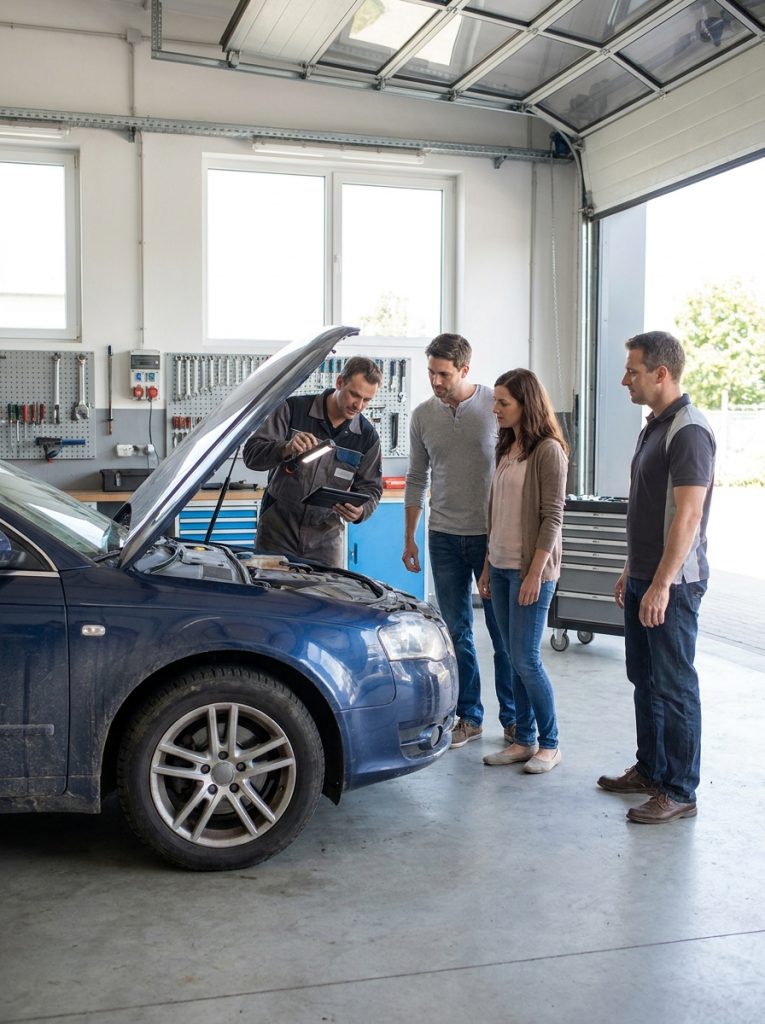
11. Can I Have the Car Inspected by a Mechanic?
This is one of the most important questions to ask a seller before buying a used car. A professional pre-purchase inspection can reveal hidden problems that are not obvious during a quick look or test drive.
A mechanic can check:
- Engine condition
- Transmission
- Brakes
- Suspension
- Tires
- Fluids
- Leaks
- Frame damage
- Diagnostic trouble codes
- Safety systems
If the seller refuses an independent inspection, consider walking away. A good seller should understand that used car buyers want confidence before payment.
12. What Is Included in the Final Price?
Before agreeing to buy, ask exactly what is included in the final price. This is especially important at dealerships, where extra fees may be added.
Ask about:
- Final sale price
- Taxes
- Registration fees
- Dealer fees
- Documentation fees
- Warranty options
- Included accessories
- Extra keys
- Owner’s manual
- Service records
- Any written promises
For private sales, ask whether the bill of sale, title transfer, and all required documents will be ready at payment. Never rely only on verbal promises.
Red Flags in a Seller’s Answers
The seller’s responses can reveal warning signs. Be careful if the seller:
- Refuses to provide the VIN
- Avoids title questions
- Will not allow a test drive
- Refuses mechanic inspection
- Gives inconsistent answers
- Pressures you to pay quickly
- Has missing paperwork
- Cannot explain ownership history
- Says warning lights are “nothing”
- Asks for unusual payment methods
- Claims the title will come later
- Avoids written agreements
Trust your instincts. If something feels wrong, slow down or walk away.
What to Do After Asking These Questions
After asking the seller questions, compare their answers with documents and the vehicle condition. Do not rely only on what the seller says.
Your next steps should include:
- Checking the VIN
- Reviewing the title
- Running a vehicle history report
- Inspecting the car in daylight
- Taking a test drive
- Checking service records
- Getting a mechanic inspection
- Estimating repair costs
- Comparing similar cars
- Reviewing the final price
The best questions to ask a seller before buying a used car are only useful if you verify the answers.
Common Mistakes Buyers Make When Talking to Sellers
Many buyers ask too few questions or accept weak answers too quickly.
Avoid these mistakes:
- Asking only about price
- Not asking about title status
- Forgetting service records
- Ignoring accident history
- Not asking for the VIN
- Skipping recall questions
- Not asking about current problems
- Accepting verbal promises
- Avoiding negotiation
- Paying before documents are ready
A serious buyer should be polite but careful. Good questions protect your money.
FAQ About Questions to Ask a Seller Before Buying a Used Car
What are the most important questions to ask a seller before buying a used car?
The most important questions include why the car is being sold, whether it has a clean title, whether it has accident history, whether service records are available, and whether you can get a mechanic inspection.
Should I ask for the VIN before seeing the car?
Yes. Asking for the VIN before visiting can help you check vehicle history, recalls, title records, and possible warning signs.
What if the seller refuses a mechanic inspection?
If the seller refuses an independent inspection, be cautious. A mechanic inspection is one of the best ways to find hidden problems before payment.
Is it okay to buy a used car without service records?
It is possible, but riskier. Without records, you should inspect the car more carefully and get a professional pre-purchase inspection.
Should I ask about accidents even if the history report is clean?
Yes. Not every accident appears on a vehicle history report. Always ask the seller directly and inspect the car carefully.
What should I ask before paying?
Before paying, ask about the final price, title transfer, bill of sale, included documents, extra keys, warranty terms, and any known problems.
Conclusion
Knowing the right questions to ask a seller before buying a used car can help you avoid hidden problems, unclear paperwork, and expensive surprises. A used car purchase should never be based only on price, photos, or a short conversation.
Ask about the reason for selling, ownership history, title status, accidents, service records, mileage, repairs, current problems, recalls, test drive permission, mechanic inspection, and final price.
Most importantly, verify the answers with documents, a test drive, a vehicle history report, and a professional inspection when possible. When you know the best questions to ask a seller before buying a used car, you can make a more confident and safer buying decision.
