
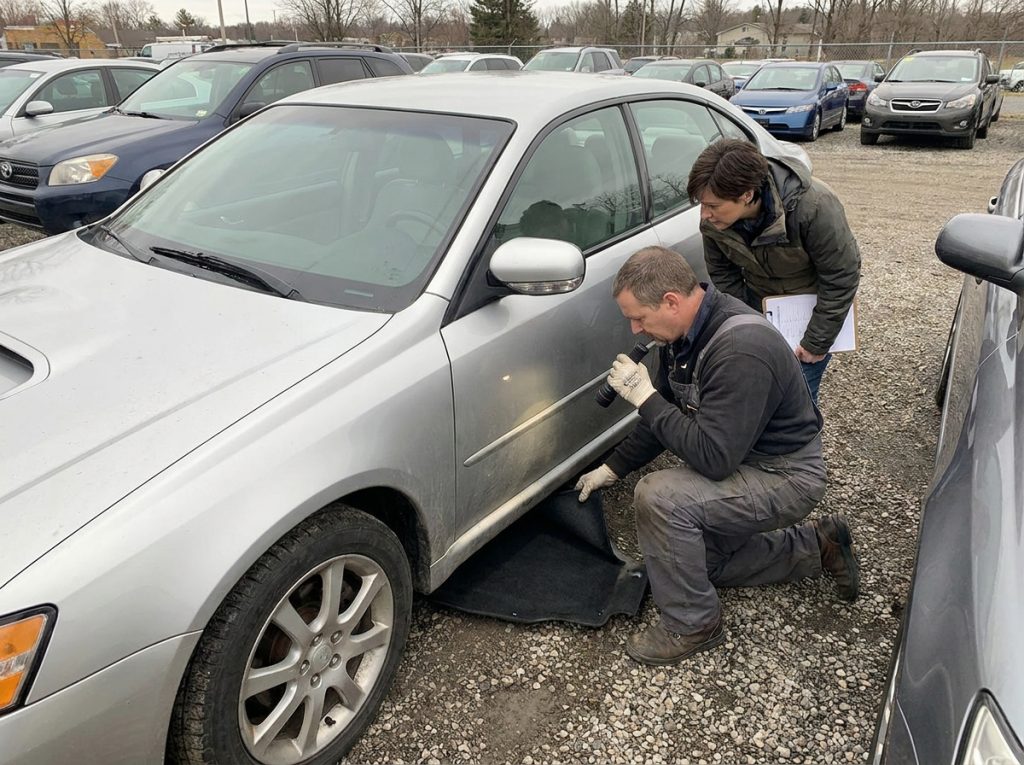
Buying a used car can save money, but some risks are easy to miss during a quick inspection. One of the most serious risks is flood damage. A car that has been exposed to deep water may look clean after detailing, but hidden moisture can damage electronics, wiring, engine parts, interior materials, safety systems, and long-term reliability. That is why learning how to spot flood damage in a used car is essential before paying.
Flood-damaged cars can be difficult to identify because some sellers clean them carefully before resale. They may replace carpets, use air fresheners, polish the exterior, or hide warning signs. However, water damage often leaves clues if you know where to look.
In this guide, you will learn how to spot flood damage in a used car in 2026 by checking smells, carpets, rust, electronics, lights, engine bay, title records, VIN history, and professional inspection results.
A complete used car buying checklist can help you inspect flood damage signs along with title records, VIN details, mileage, tires, brakes, engine condition, and documents.
Why Flood Damage Is a Serious Problem
Flood damage is serious because water can affect many parts of a vehicle at the same time. Even if the car starts and drives normally during a test drive, problems may appear weeks or months later.
Water can damage:
- Electrical wiring
- Sensors
- Airbag systems
- Engine parts
- Transmission components
- Brake parts
- Interior materials
- Seat tracks
- Carpet padding
- Dashboard electronics
- Connectors and modules
The biggest problem is hidden corrosion. Once moisture reaches electrical connectors or metal parts, corrosion may continue over time. This can cause random warning lights, starting problems, electrical failures, bad smells, mold, and expensive repairs.
Knowing how to spot flood damage in a used car can help you avoid a vehicle that may become unreliable or unsafe.
CARFAX explains that flood-damaged cars may develop electrical, mechanical, and safety problems, even if they look clean after being detailed.
1. Check for a Musty or Moldy Smell
One of the first signs of flood damage is smell. Open the doors and sit inside the car for a few minutes. A strong musty, moldy, damp, or sour smell may indicate moisture trapped inside the cabin.
Be careful if the vehicle smells heavily of perfume, air freshener, cleaning chemicals, or deodorizer. Some sellers may use strong scents to hide water damage.
Check the smell in:
- Cabin
- Trunk
- Under the seats
- Carpet areas
- Floor mats
- Glove box
- Air vents
If the smell returns after the car has been sitting closed, it may be a warning sign. A clean used car should not smell damp or moldy.
2. Inspect Carpets and Floor Mats
Carpets can reveal important clues. Flood water often soaks into carpet padding, which is hard to dry completely. Even if the visible carpet looks clean, moisture may remain underneath.
Look for:
- Damp carpet
- Water stains
- Discoloration
- New carpet in an older car
- Mismatched floor mats
- Loose or poorly fitted carpet
- Mud or sand under mats
- Mold near seat bases
Lift the floor mats and press your hand into the carpet. If it feels damp or smells musty, be cautious. Also check the trunk carpet and spare tire area because water can collect there.
Carpet inspection is one of the simplest ways to spot flood damage in a used car.
3. Look for Rust in Unusual Places
Rust is normal in some areas on older vehicles, especially underneath the car. However, rust in unusual interior areas can indicate water exposure.
Check for rust on:
- Seat tracks
- Seat bolts
- Door hinges
- Pedal brackets
- Under the dashboard
- Trunk metal
- Spare tire well
- Screws under interior trim
- Metal brackets under seats
Seat tracks are especially useful to inspect because they are inside the cabin and should not normally be heavily rusted. If they show corrosion, the car may have been exposed to water.
Rust does not always prove flood damage, but it should make you inspect more carefully.
4. Test All Electronics
Flood damage often affects electrical systems. Modern cars have many electronic components, sensors, control modules, and wiring connectors. Water can cause problems immediately or months later.
Test everything, including:
- Power windows
- Door locks
- Seat adjustments
- Infotainment system
- Backup camera
- Air conditioning
- Heating
- Dashboard display
- Interior lights
- Exterior lights
- Turn signals
- Wipers
- Horn
- Charging ports
- Keyless entry
- Power mirrors
If multiple electronics act strangely, stop working, or work only sometimes, be cautious. Electrical problems are often difficult and expensive to diagnose.
When trying to spot flood damage in a used car, electronics testing is very important.
5. Watch for Dashboard Warning Lights
Dashboard warning lights can reveal hidden problems. Start the car and check whether lights turn on briefly and then turn off normally.
Pay attention to:
- Check engine light
- Airbag warning light
- ABS warning light
- Battery warning light
- Brake warning light
- Traction control light
- Tire pressure light
- Temperature warning light
If warning lights stay on, ask questions and get the vehicle scanned before buying. Flood damage can affect sensors, wiring, and control modules, which may trigger warning lights.
Do not accept vague explanations such as “it is just a sensor” without proof. A diagnostic scan and mechanic inspection can help confirm the cause.
6. Check the Engine Bay
The engine bay can show signs of water exposure. A seller may clean it, but some clues may remain.
Look for:
- Mud or silt in corners
- Water stains
- Corrosion on metal parts
- Rust on bolts
- Dirty residue in hidden areas
- Unusual cleanliness compared with the rest of the car
- Damaged electrical connectors
- Brittle or stained wiring
Be suspicious if the engine bay looks freshly detailed but hidden corners still contain mud or sand. A very clean engine bay on an older used car is not always bad, but it should make you inspect carefully.
Also listen to the engine during startup and test drive. Rough idle, strange noises, or warning lights may indicate deeper problems.
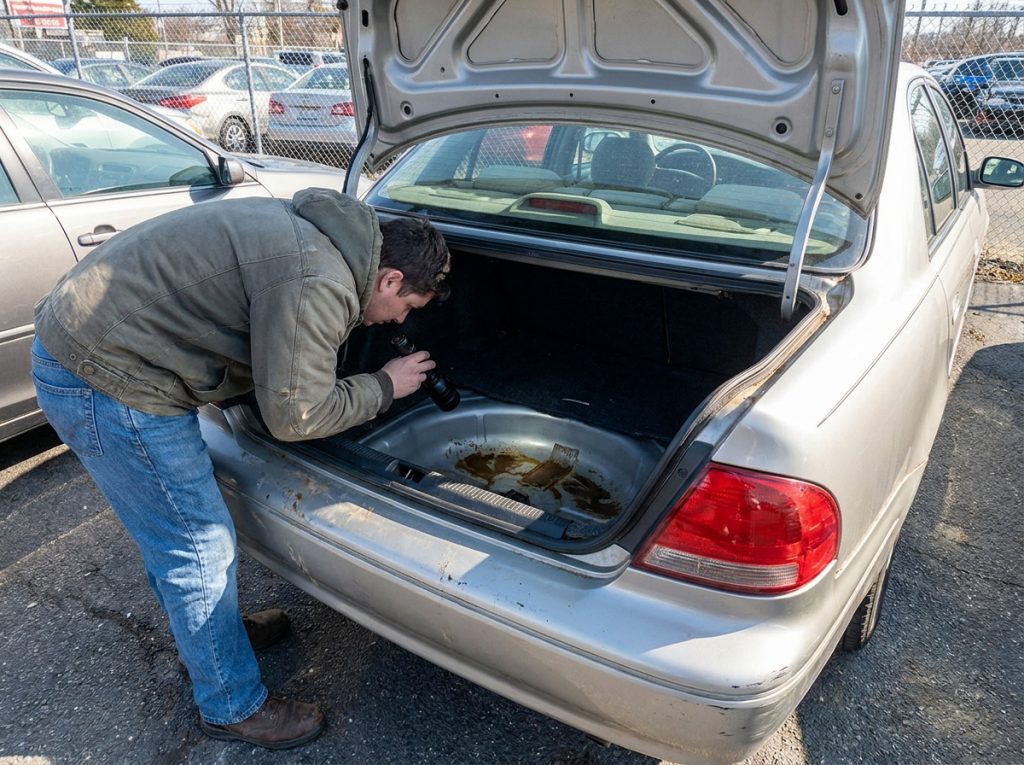
7. Inspect the Trunk and Spare Tire Area
The trunk is one of the best places to check for hidden water damage. Many buyers forget this area, but water often collects under the trunk carpet or around the spare tire well.
Check for:
- Damp trunk carpet
- Musty smell
- Rust in the spare tire well
- Mud or sand
- Water stains
- Mold
- Corroded tools
- Wet insulation
- Mismatched trunk lining
Remove the trunk mat and look underneath. If the spare tire area has rust, water marks, or debris, ask the seller for an explanation.
This area can help you spot flood damage in a used car even when the cabin looks clean.
8. Review the Vehicle History Report
A vehicle history report can show flood damage, salvage title, insurance loss, or title branding. However, not all flood damage appears on history reports, especially if the damage was never reported to insurance.
Still, you should check the report for:
- Flood title
- Salvage title
- Rebuilt title
- Insurance loss
- Title branding
- Registration in flood-prone areas
- Sudden ownership changes
- Auction history
- Mileage inconsistency
If the car was recently registered in an area affected by flooding, inspect it more carefully. A clean report is helpful, but it should not replace a physical inspection.
9. Check the Title Status
Title status is one of the most important parts of buying any used car. A flood-damaged vehicle may have a branded title, depending on local rules and insurance reporting.
Watch for title brands such as:
- Flood
- Salvage
- Rebuilt
- Water damage
- Total loss
- Lemon
- Junk
A branded title does not always mean the vehicle is impossible to use, but it does mean the car has a serious history. Flood-branded cars may be harder to insure, finance, or resell.
Before paying, make sure the title is clear and the VIN matches the car and all documents.
10. Get a Professional Pre-Purchase Inspection
A professional inspection is one of the best ways to spot flood damage in a used car. A trained mechanic can check hidden areas that most buyers may miss.
A mechanic may inspect:
- Electrical connectors
- Control modules
- Engine bay
- Interior trim
- Seat tracks
- Undercarriage
- Brake components
- Fluids
- Diagnostic codes
- Signs of corrosion
- Water residue in hidden areas
If the seller refuses an independent inspection, consider it a serious warning sign. A trustworthy seller should allow you to verify the car’s condition before payment.
A pre-purchase inspection may cost money, but it can save you from buying a car with hidden water damage.
Common Signs of Flood Damage
Here is a quick checklist of warning signs:
- Musty smell
- Damp carpet
- Heavy air freshener smell
- Rust under seats
- Mud in hidden areas
- Electrical problems
- Dashboard warning lights
- Water stains
- Mold
- Corrosion on connectors
- Rust in trunk
- New carpet in an older car
- Flood or salvage title
- Seller avoids questions
- Seller refuses inspection
One warning sign may not prove flood damage. But several signs together should make you very cautious.
Why Flood-Damaged Cars Can Be Expensive
Flood-damaged vehicles can become expensive because problems often appear slowly. A car may work during the test drive but develop electrical or mechanical failures later.
Possible costs include:
- Electrical diagnosis
- Sensor replacement
- Airbag system repair
- Mold removal
- Interior replacement
- Engine repair
- Transmission repair
- Brake repair
- Wiring harness replacement
- Control module replacement
Even if the car is cheap, repair costs may become higher than expected. This is why buyers should not focus only on the sale price.
What to Do If You Suspect Flood Damage
If you suspect flood damage, slow down the buying process. Do not let the seller pressure you.
Take these steps:
- Ask direct questions about water exposure.
- Review the title and history report.
- Compare the VIN on all documents.
- Inspect carpets, trunk, and seat tracks.
- Test all electronics.
- Take a test drive.
- Get a professional inspection.
- Walk away if the answers are unclear.
It is better to miss one deal than to buy a car with hidden water damage.
FAQ About How to Spot Flood Damage in a Used Car
How can I spot flood damage in a used car?
You can spot flood damage in a used car by checking for musty smells, damp carpets, rust in unusual places, electrical issues, warning lights, trunk moisture, title brands, and vehicle history records.
Can a flood-damaged car look normal?
Yes. A flood-damaged car can be cleaned and detailed to look normal. Hidden damage may remain in wiring, carpets, sensors, and control modules.
Is a flood-damaged car always bad?
Not always, but it is risky. Flood damage can create long-term electrical, mechanical, safety, and resale problems.
Does a vehicle history report always show flood damage?
No. A vehicle history report is helpful, but not all flood damage is reported. You should still inspect the car physically and get a mechanic inspection.
What smell indicates flood damage?
A musty, moldy, damp, or sour smell may indicate water damage. Strong air freshener may also be used to hide odors.
Should I buy a car with a flood title?
Be very careful. A flood title can affect reliability, safety, insurance, financing, and resale value. Always get a professional inspection before considering it.
Conclusion
Learning how to spot flood damage in a used car can protect you from expensive repairs, electrical problems, safety concerns, and resale issues. Flood damage is not always obvious, especially when a vehicle has been cleaned before sale.
Check for musty smells, damp carpets, rust in unusual places, electrical issues, warning lights, water stains, trunk moisture, and title problems. Review the vehicle history report, compare the VIN, and always consider a professional pre-purchase inspection.
A used car should give you confidence, not uncertainty. If several warning signs appear, it is usually smarter to walk away. Knowing how to spot flood damage in a used car can help you avoid a bad purchase and choose a safer, more reliable vehicle.
