
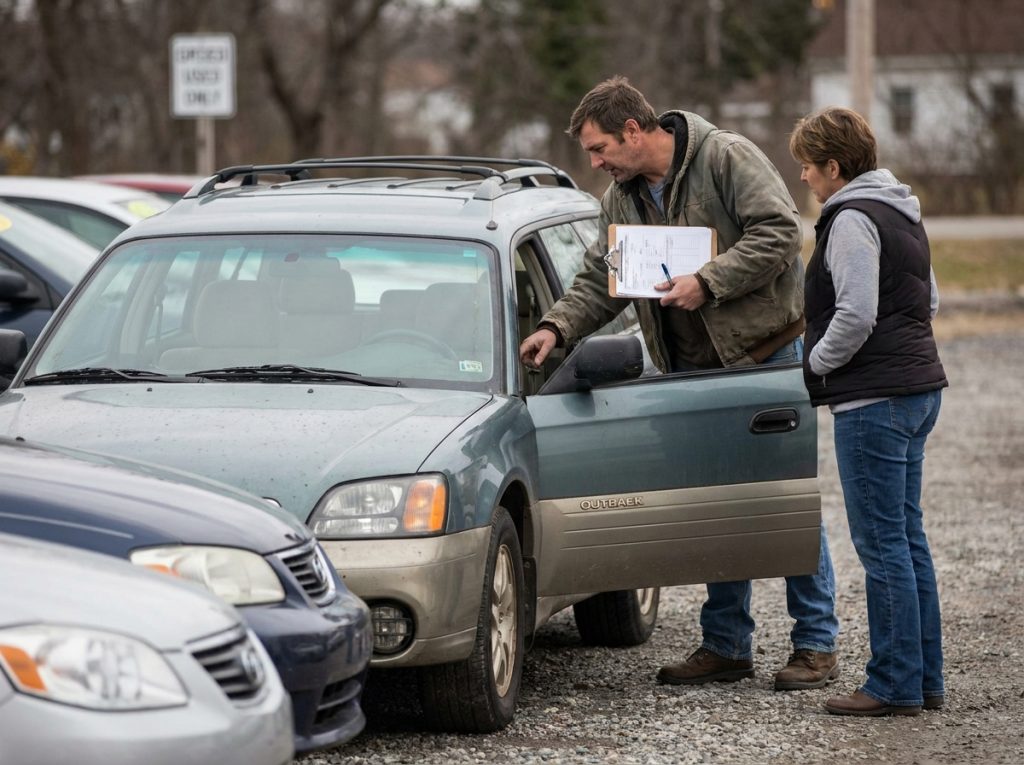
Buying a used car can be a smart financial decision, but many buyers become nervous when they see high mileage. A car with 100,000 miles, 150,000 miles, or even more may seem risky at first. However, mileage alone does not always tell the full story. In some cases, it can still make sense to buy a high-mileage car if the vehicle has been properly maintained, inspected, and priced fairly.
A high-mileage car can offer lower purchase cost and better value, especially if it comes from a reliable model with strong service history. On the other hand, it can also bring higher repair risks if maintenance was ignored or major parts are near the end of their life.
In this guide, we will explain whether you should buy a high-mileage car in 2026, what to check first, and how to decide if the vehicle is a smart deal or a future headache.
A complete used car buying checklist can help you inspect mileage, service records, title status, engine condition, transmission, tires, brakes, and final price before paying.
What Is Considered a High-Mileage Car?
A high-mileage car usually means a vehicle that has more miles than average for its age. Many drivers consider a car high mileage once it passes 100,000 miles. However, the meaning depends on the vehicle’s age, maintenance, driving conditions, and model reliability.
For example, a 10-year-old car with 120,000 miles may be normal if it was driven regularly and maintained well. A 3-year-old car with the same mileage may have been used heavily for rideshare, delivery, business travel, or long-distance commuting.
Mileage should be judged together with:
- Vehicle age
- Service history
- Ownership history
- Driving conditions
- Mechanical condition
- Brand reliability
- Inspection results
- Asking price
Before you buy a high-mileage car, you should look beyond the odometer and study the full condition of the vehicle.
1. Service Records Matter More Than Mileage Alone
Service history is one of the most important factors when evaluating a high-mileage vehicle. A car with 140,000 miles and excellent records may be a better choice than a 70,000-mile car with no maintenance history.
Look for records showing:
- Regular oil changes
- Transmission service
- Brake service
- Tire rotation
- Coolant changes
- Battery replacement
- Suspension repairs
- Timing belt or chain service
- Major repairs
- Recall work
A high-mileage car needs consistent care. If the seller can show detailed service records, that is a positive sign. If there are no records, you should be more cautious and get a professional inspection before buying.
2. Highway Miles Are Usually Better Than City Miles
Not all miles are equal. Highway driving is often easier on a car than city driving. A vehicle with mostly highway miles may experience less stop-and-go wear, fewer hard braking events, and less stress on the transmission.
City driving often includes:
- Frequent stopping
- Short trips
- Traffic congestion
- More brake use
- More transmission shifting
- More engine heat cycles
Highway driving usually allows the engine to operate at a steady speed and temperature. This can be less stressful if the car was maintained properly.
When deciding whether to buy a high-mileage car, ask the seller how the vehicle was used. A long-distance commuter car with regular maintenance may be a better choice than a lower-mileage car used only for short city trips.
3. Check the Engine Carefully
The engine is one of the most important parts of any used car, especially one with high mileage. A strong engine can continue running well for many years, but a neglected engine can become expensive quickly.
Check for:
- Oil leaks
- Coolant leaks
- Burning oil smell
- Rough idle
- Knocking sounds
- Excessive smoke
- Overheating signs
- Low oil level
- Dirty oil
- Warning lights
During a test drive, the engine should feel smooth and responsive. It should not hesitate, shake heavily, or make loud unusual noises.
Before you buy a high-mileage car, ask a mechanic to check compression, leaks, fluid condition, and diagnostic codes if possible. This can reveal problems that are not obvious during a short test drive.
4. Pay Attention to the Transmission
Transmission repairs can be very expensive. A high-mileage car with transmission problems may not be worth buying unless the price is extremely low and you are prepared for repairs.
During the test drive, check whether the transmission shifts smoothly. Automatic transmissions should not jerk, slip, delay, or clunk between gears. Manual transmissions should shift cleanly without grinding, and the clutch should feel predictable.
Warning signs include:
- Delayed shifting
- Harsh gear changes
- Slipping
- Burning smell
- Fluid leaks
- Transmission warning light
- Grinding noise
- Shaking during acceleration
If the car has high mileage but the transmission has been serviced or replaced properly, that can be a positive sign. If there is no transmission service history, be careful.
5. Inspect Suspension, Brakes, and Tires
High mileage often means more wear on suspension, brakes, and tires. These parts may not be as expensive as an engine or transmission, but replacement costs can add up.
Check for:
- Squeaking or grinding brakes
- Vibration while braking
- Worn brake pads
- Uneven tire wear
- Loose steering
- Clunking over bumps
- Car pulling to one side
- Weak shocks or struts
- Alignment problems
A high-mileage car may still be a good deal if these parts have already been replaced recently. Ask the seller for receipts. If they have not been replaced, use the expected repair cost when negotiating.
A complete inspection is essential before you buy a high-mileage car.
6. Review the Vehicle History Report
A vehicle history report can help you understand the car’s past. It may show accident records, title status, mileage history, ownership changes, and sometimes service information.
Look for:
- Clean title
- Consistent mileage
- Accident history
- Flood damage
- Salvage or rebuilt title
- Odometer issues
- Number of previous owners
- Registration locations
- Reported service records
A high-mileage car with a clean history and consistent mileage is usually less risky than one with title issues, accident damage, or mileage inconsistencies.
However, remember that a clean report does not guarantee the car is perfect. It should be used together with physical inspection and mechanic evaluation.
7. Compare the Price With Repair Risk
One reason buyers consider high-mileage cars is price. These vehicles often cost less than similar lower-mileage options. But the lower price only makes sense if repair risks are reasonable.
Before buying, estimate:
- Purchase price
- Insurance cost
- Registration fees
- Immediate repair needs
- Upcoming maintenance
- Tire replacement
- Brake service
- Battery replacement
- Fluid service
- Possible engine or transmission risk
If the car is cheap but needs thousands of dollars in repairs, it may not be a good deal. A fair high-mileage car should be priced lower because of mileage, but not so neglected that it becomes a money pit.
Before deciding whether a high-mileage car is fairly priced, Kelley Blue Book can help you compare used car values, trade-in value, resale value, and fair market pricing for similar vehicles.
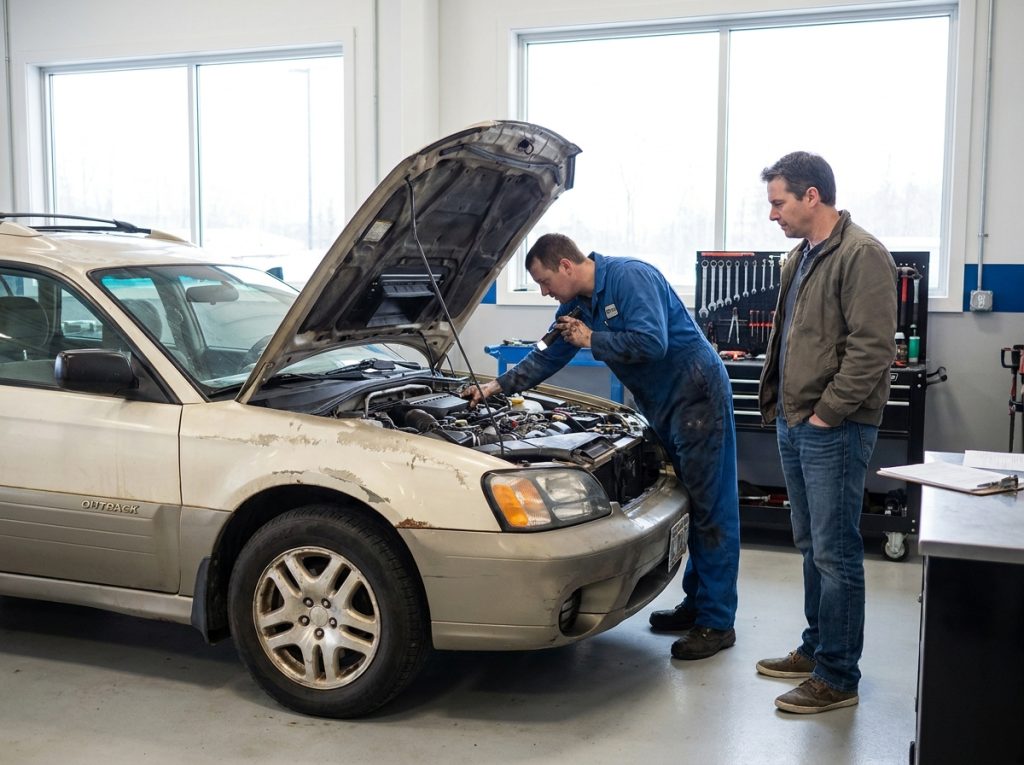
8. Get a Pre-Purchase Inspection
A pre-purchase inspection is one of the smartest steps before buying any used car, but it is especially important for high-mileage vehicles.
A mechanic can inspect:
- Engine health
- Transmission performance
- Leaks
- Brakes
- Suspension
- Tires
- Fluids
- Belts and hoses
- Frame condition
- Diagnostic codes
- Exhaust system
- Cooling system
If the seller refuses an inspection, that is a warning sign. A trustworthy seller should understand why buyers want a professional opinion.
The inspection may cost money, but it can help you avoid expensive mistakes. It can also give you negotiation power if the car needs repairs.
9. Think About How Long You Plan to Keep It
Before you buy a high-mileage car, think about your ownership plan. Are you looking for a low-cost car for one or two years, or do you expect the vehicle to last for many more years?
A high-mileage car may be a good choice if:
- You need a lower purchase price
- The vehicle has strong service records
- The model is known for reliability
- The inspection results are good
- You can budget for repairs
- You do not need perfect resale value
- You plan to use it as practical transportation
It may not be a good choice if:
- You cannot handle repair costs
- You need maximum reliability
- The car has no maintenance records
- The inspection shows major issues
- The title history is unclear
- You plan to resell quickly
Your decision should match your budget, risk tolerance, and driving needs.
Pros of Buying a High-Mileage Car
A high-mileage car can have real advantages.
Potential benefits include:
- Lower purchase price
- Less depreciation
- More affordable entry into a reliable model
- Better value if well maintained
- Lower loan amount
- Useful for budget buyers
- Good option for short-term transportation
If the vehicle has been cared for properly, high mileage alone should not automatically scare you away.
Cons of Buying a High-Mileage Car
There are also risks.
Possible disadvantages include:
- Higher repair risk
- More wear on parts
- Lower resale value
- Fewer warranty options
- Possible maintenance backlog
- More frequent inspections needed
- Higher chance of unexpected breakdowns
These risks are why inspection, records, and pricing are so important.
FAQ About Buy a High-Mileage Car
Is it smart to buy a high-mileage car?
It can be smart to buy a high-mileage car if it has strong service records, a clean title, good inspection results, and a fair price.
How many miles is too many for a used car?
There is no single number. A well-maintained car with 150,000 miles may be better than a neglected car with 80,000 miles.
Are highway miles better than city miles?
Yes, highway miles are often easier on a vehicle than city miles because they involve fewer stops, less braking, and steadier engine operation.
Should I avoid cars over 100,000 miles?
Not always. Many cars can last well beyond 100,000 miles if properly maintained. Focus on condition, records, and inspection results.
What should I check before buying a high-mileage car?
Check service records, engine condition, transmission, brakes, tires, suspension, title, vehicle history, and get a mechanic inspection.
Is a high-mileage car cheaper to insure?
Insurance depends on many factors, including model, age, value, location, and driver profile. A lower-value high-mileage car may cost less to insure, but you should compare quotes.
Conclusion
So, should you buy a high-mileage car? The answer depends on the vehicle’s condition, history, maintenance records, inspection results, and price. High mileage alone does not automatically make a car bad. A well-maintained vehicle with higher mileage can still be reliable and affordable.
However, you should be careful. Check the engine, transmission, brakes, suspension, tires, title, vehicle history, and service records. Always consider a pre-purchase inspection before paying.
A high-mileage car can be a smart deal if it has been cared for properly and fits your budget. But if the seller cannot provide records, the title is unclear, or the inspection reveals major problems, it is usually better to walk away.
