
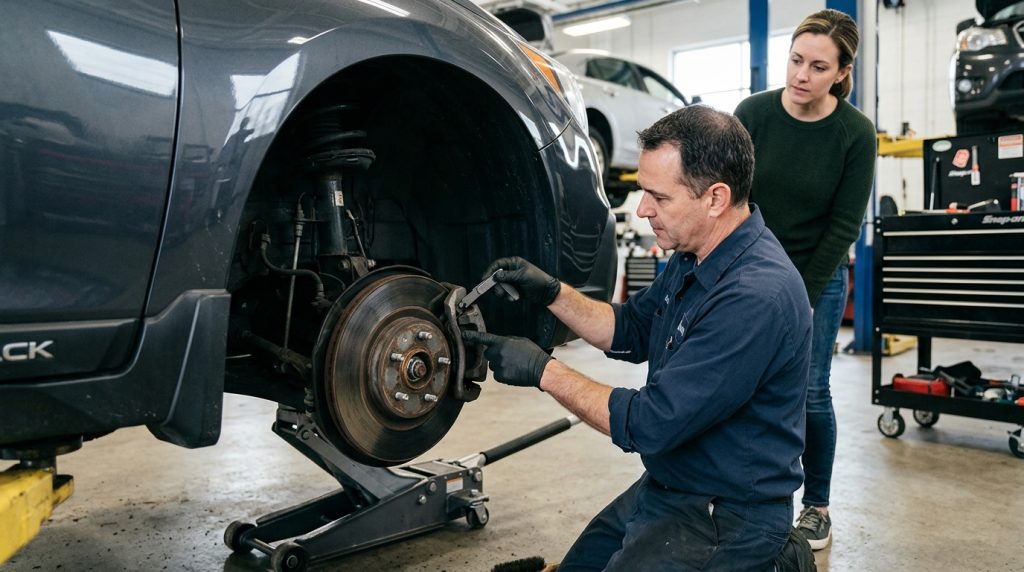
Your brakes are one of the most important safety systems in your vehicle. They help you slow down, stop safely, avoid collisions, and stay in control during everyday driving. When your brakes are working properly, you may not think about them much. But when something feels wrong, you should never ignore it. Knowing the signs your brakes need immediate attention can help you avoid dangerous situations and expensive repairs.
Brake problems usually do not fix themselves. A small squeak, vibration, or warning light can turn into a serious issue if you keep driving without inspection. In some cases, continuing to drive with brake problems can damage other parts of the braking system.
In this guide, we will explain 5 common signs your brakes need immediate attention, what they may mean, and what you should do next.
Why Brake Problems Should Never Be Ignored
Understanding when your brakes need immediate attention matters because braking performance affects every drive. Even a short trip can become risky if your car cannot stop properly.
Brake problems can affect:
- Stopping distance
- Steering control during braking
- Emergency braking performance
- Tire grip
- Brake pad and rotor life
- Driver confidence
- Passenger safety
Some brake issues start small, such as a light squeaking sound. Others are more serious, such as a soft brake pedal, grinding noise, or brake warning light. The sooner you inspect the problem, the easier and cheaper it may be to fix.
If your brakes feel different from normal, treat it as a warning sign. Safety should always come before convenience.
AAA explains that worn brakes can be dangerous and expensive, and drivers should watch for warning signs such as weak braking, unusual pedal feel, noise, or vibration.
1. Squeaking or Squealing Brake Noise
One of the most common signs your brakes need immediate attention is a high-pitched squeaking or squealing noise when you press the brake pedal.
This sound may be caused by:
- Worn brake pads
- Brake pad wear indicators
- Dust or debris
- Glazed brake pads
- Moisture on brake parts
- Low-quality brake pads
Many brake pads are designed with small wear indicators that make noise when the pads become too thin. This sound is meant to warn you before the pads wear out completely.
A short squeak after rain or a car wash may not always mean a serious problem. However, if the noise continues every time you brake, you should schedule an inspection.
Ignoring squeaking brakes can lead to more expensive damage. If brake pads wear down too far, they may damage the rotors, which can increase repair costs.
2. Grinding Sound When Braking
A grinding sound is more serious than squeaking. If you hear grinding when braking, your brakes need immediate attention as soon as possible.
Grinding may mean the brake pads are extremely worn and metal parts are rubbing against the rotors. This can damage the rotors quickly and reduce braking performance.
Possible causes include:
- Completely worn brake pads
- Damaged rotors
- Debris stuck in the brake system
- Poorly installed brake components
- Brake caliper problems
If the grinding sound is loud, harsh, or happens every time you brake, avoid unnecessary driving. Continuing to drive can make the repair more expensive and less safe.
Grinding brakes are not something to “wait and see” about. Have them checked by a qualified mechanic quickly.
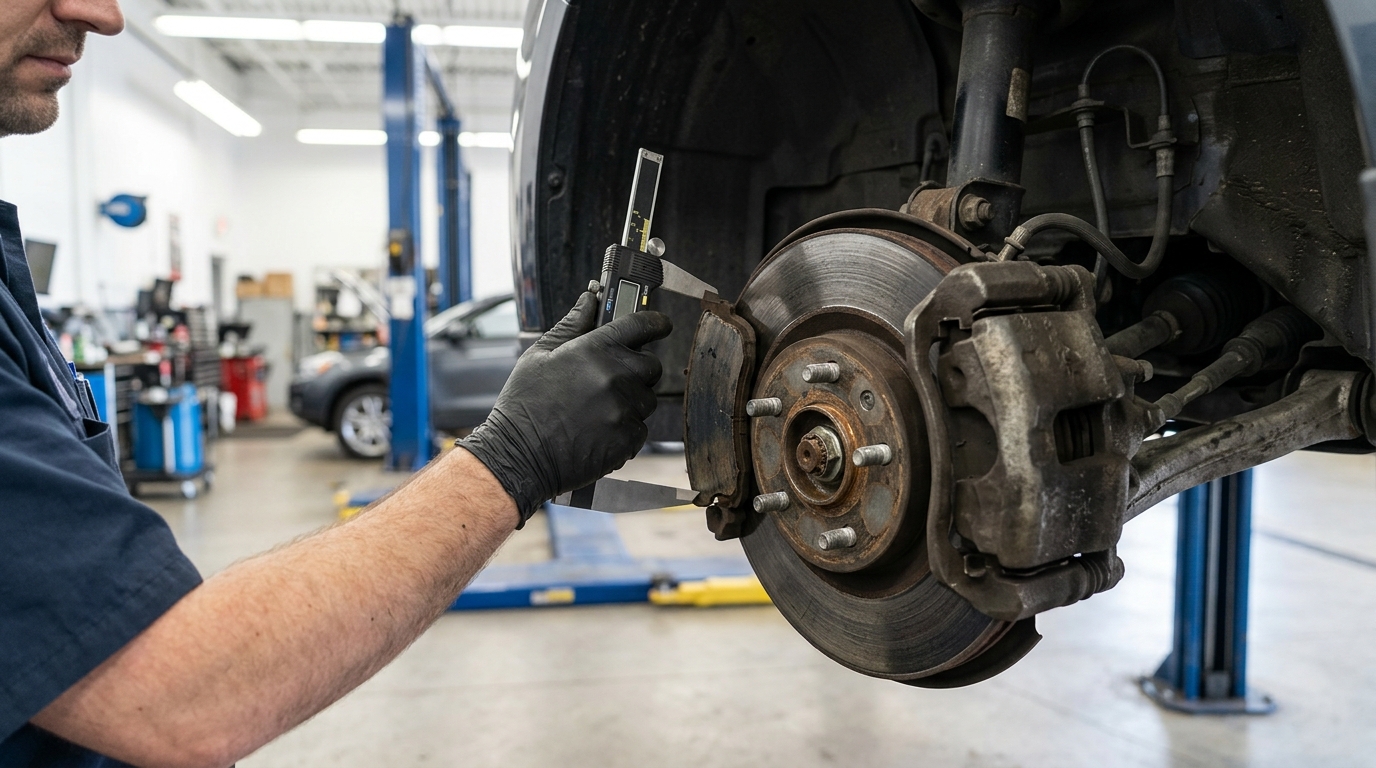
3. Vibration or Shaking When Braking
If your steering wheel, brake pedal, or vehicle shakes when braking, it may be another sign your brakes need immediate attention.
Brake vibration can happen for several reasons:
- Warped brake rotors
- Uneven rotor surface
- Worn suspension parts
- Uneven brake pad material
- Wheel alignment issues
- Tire problems
Many drivers notice vibration when slowing down from higher speeds. The steering wheel may shake, or the brake pedal may pulse. This can make the car feel less stable and less comfortable.
Warped or uneven rotors are a common cause. Rotors can become uneven from heat, wear, or heavy braking. If not repaired, the vibration may get worse over time.
Because vibration can also involve tires, wheels, or suspension, it is best to have the vehicle inspected. A mechanic can identify whether the problem is from the brake system or another related component.
4. Soft, Spongy, or Low Brake Pedal
A soft or spongy brake pedal is one of the most serious signs your brakes need immediate attention. Your brake pedal should feel firm and predictable. If it suddenly feels soft, sinks too far, or requires extra pressure to stop, do not ignore it.
Possible causes include:
- Air in the brake lines
- Brake fluid leak
- Low brake fluid
- Worn brake components
- Master cylinder problem
- Hydraulic brake system issue
Brake fluid is essential because it transfers force from your foot to the braking system. If there is a leak or air in the system, braking power may be reduced.
If the brake pedal sinks to the floor or the car takes much longer to stop, pull over safely and avoid driving until the vehicle is inspected. This type of brake problem can be dangerous.
A soft brake pedal is not just a maintenance issue. It can be an urgent safety issue.
5. Brake Warning Light or Longer Stopping Distance
A brake warning light on your dashboard is another clear sign your brakes need immediate attention. Depending on the vehicle, the light may say “BRAKE” or show a brake-related symbol.
A brake warning light may indicate:
- Parking brake is engaged
- Low brake fluid
- Brake system fault
- ABS issue
- Worn brake pads
- Sensor problem
First, check whether the parking brake is fully released. If the light stays on, the system should be inspected.
Longer stopping distance is also a serious warning sign. If your car does not stop as quickly as it used to, or you need to press the brake pedal harder than normal, the brakes may be worn or malfunctioning.
This can be especially dangerous in traffic, rain, or emergency situations. If your stopping distance feels longer, schedule a brake inspection immediately.
If your brake warning light appears on the dashboard, our dashboard warning lights guide can help you understand what the symbol means and what to do next.
Other Brake Warning Signs to Watch For
The five signs above are among the most common, but they are not the only ones. Your brakes need immediate attention if you notice any of these additional symptoms:
- Burning smell after braking
- Car pulls to one side when braking
- Brake pedal feels unusually hard
- Brake fluid appears low
- Brake fluid leak under the vehicle
- Brake pads look very thin
- ABS light stays on
- Brakes feel weak on hills
- Noise gets worse over time
Any change in braking behavior deserves attention. Even if the car still stops, the issue may continue to get worse.
What Causes Brake Problems?
Brake problems can happen for many reasons. Some are caused by normal wear, while others come from driving habits, road conditions, or poor maintenance.
Common causes include:
- Worn brake pads
- Old brake fluid
- Damaged rotors
- Sticking brake calipers
- Heavy braking
- Driving in mountains or hills
- Carrying heavy loads
- Poor-quality brake parts
- Ignoring earlier warning signs
Brake parts wear out over time. That is normal. The key is to replace or repair them before they become dangerous.
What Should You Do If Your Brakes Feel Wrong?
If your brakes feel different, make safety your first priority. Do not continue driving normally if the vehicle feels unsafe.
Follow these steps:
- Stay calm and avoid sudden movements.
- Slow down carefully.
- Pull over in a safe place if braking feels weak.
- Check for warning lights.
- Avoid driving if there is grinding, leaking fluid, or a soft pedal.
- Contact a mechanic or roadside assistance if needed.
If you are unsure whether the vehicle is safe, it is better not to drive. Brake problems are too important to ignore.
How Often Should Brakes Be Inspected?
Brake inspection frequency depends on your vehicle, driving habits, and road conditions. However, it is smart to have brakes checked during regular maintenance, tire rotation, or oil changes.
You may need more frequent brake inspections if you:
- Drive in heavy traffic
- Drive in hills or mountains
- Tow loads
- Carry heavy passengers or cargo
- Brake aggressively
- Hear brake noise
- Notice vibration
- See warning lights
Regular inspections can help catch problems early before they become serious.
Common Brake Maintenance Mistakes
Many drivers make simple mistakes that shorten brake life or create safety risks.
Avoid these mistakes:
- Ignoring squeaking sounds
- Driving with grinding brakes
- Waiting too long to replace brake pads
- Ignoring brake warning lights
- Driving with low brake fluid
- Using poor-quality parts
- Skipping brake inspections
- Riding the brakes downhill
- Braking aggressively too often
- Delaying repairs because the car still stops
Your brakes may still work for a while even when something is wrong. That does not mean the problem is safe to ignore.
FAQ About Brakes Need Immediate Attention
What are the most common signs brakes need immediate attention?
The most common signs include squeaking, grinding, vibration, soft brake pedal, brake warning lights, longer stopping distance, burning smell, or the car pulling to one side when braking.
Can I drive with squeaking brakes?
You may be able to drive briefly if the squeak is minor, but persistent squeaking should be inspected soon. It may mean the brake pads are wearing down.
Is grinding brake noise dangerous?
Yes. Grinding can mean the brake pads are worn out and metal parts are rubbing against the rotors. This can reduce safety and increase repair costs.
Why does my brake pedal feel soft?
A soft brake pedal may be caused by air in the brake lines, low brake fluid, a leak, or a hydraulic system problem. It should be checked immediately.
What should I do if my brake warning light comes on?
First check whether the parking brake is fully released. If the light stays on, have the brake system inspected as soon as possible.
How do I know if I need new brake pads?
Signs may include squeaking, grinding, longer stopping distance, thin brake pads, vibration, or a brake warning light. A mechanic can confirm pad thickness during inspection.
Conclusion
Knowing when your brakes need immediate attention can protect your safety, prevent expensive repairs, and give you more confidence behind the wheel. Brake problems should never be ignored, especially if you hear grinding, feel vibration, notice a soft pedal, or see a brake warning light.
Your braking system is essential every time you drive. Small warning signs can become serious if you delay inspection or repair.
If something feels wrong, trust your instincts and get the vehicle checked. When your brakes need immediate attention, quick action can help keep you, your passengers, and other drivers safer on the road.
