
Dashboard warning lights
Modern cars are designed to communicate with drivers through dashboard symbols. Some lights are simple reminders, while others warn about serious mechanical or safety problems. Understanding dashboard warning lights can help you react quickly, avoid expensive repairs, and stay safer on the road.
Many drivers ignore warning lights because they do not know what they mean. That can be risky. A small issue may become a major repair if you continue driving without checking it. In some cases, a warning light means you should stop the car immediately.
In this guide, we will explain the most common dashboard warning lights, what they usually mean, how urgent they are, and what you should do when they appear.
Why Dashboard Warning Lights Matter
Understanding dashboard warning lights matters because they are your car’s way of telling you something needs attention. These lights can warn you about the engine, brakes, oil pressure, battery, tires, airbags, temperature, and other important systems.
Not every light means danger. Some lights simply remind you to fasten your seat belt, close a door, or refill washer fluid. However, red warning lights usually require immediate attention, while yellow or amber lights often mean the system needs inspection soon.
A good rule is simple: never ignore a warning light. If you do not understand it, check your owner’s manual or contact a trusted mechanic.
Red, Yellow, and Green Dashboard Lights
Before looking at specific symbols, it helps to understand dashboard light colors.
Red warning lights usually mean urgent attention is needed. You may need to stop driving safely and check the problem immediately.
Yellow or amber warning lights usually mean caution. The vehicle may still be drivable, but it should be inspected soon.
Green, blue, or white lights are usually informational. They may show that headlights, cruise control, or other systems are active.
When reading dashboard warning lights, color is just as important as the symbol itself.
For a broader explanation of vehicle warning lights, AAA provides a helpful guide to common dashboard symbols, warning lights, vehicle smells, and noises that drivers should understand.
1. Check Engine Light
The check engine light is one of the most common dashboard warning lights. It usually looks like a small engine symbol and may appear in yellow or amber.
This light can mean many things, including:
- Loose gas cap
- Faulty oxygen sensor
- Engine misfire
- Emissions system problem
- Catalytic converter issue
- Fuel system problem
If the check engine light is steady, the car may still be safe to drive for a short time, but you should schedule a diagnostic check soon. If the light is flashing, stop driving as soon as it is safe because a serious engine problem may be occurring.
2. Oil Pressure Warning Light
The oil pressure warning light usually looks like an oil can. This is one of the most serious dashboard warning lights because low oil pressure can damage the engine quickly.
Possible causes include:
- Low oil level
- Oil leak
- Failing oil pump
- Wrong oil type
- Internal engine problem
If this red light appears while driving, pull over safely, turn off the engine, and check the oil level. Do not continue driving if oil pressure is low. Engine damage can happen fast.
If your oil pressure warning light appears often, it may help to review how often to change engine oil and why clean oil is important for engine protection.
3. Battery Warning Light
The battery warning light usually looks like a battery symbol. It does not always mean the battery itself is bad. It may indicate a charging system problem.
Possible causes include:
- Weak battery
- Failing alternator
- Loose battery cable
- Broken serpentine belt
- Electrical system problem
If this light appears, your car may continue running for a short time, but it could shut off once battery power runs out. Turn off unnecessary electronics and get the charging system checked soon.
4. Brake Warning Light
The brake warning light may appear as the word “BRAKE” or a circle with an exclamation mark. This light should always be taken seriously.
It may mean:
- Parking brake is engaged
- Low brake fluid
- Brake system problem
- Worn brake components
- Hydraulic brake issue
First, check whether the parking brake is fully released. If the light stays on, do not ignore it. Brakes are critical for safety, and the vehicle should be inspected before regular driving continues.
5. ABS Warning Light
The ABS warning light means there may be a problem with the anti-lock braking system. ABS helps prevent wheels from locking during hard braking.
If this light appears, your regular brakes may still work, but the anti-lock function may not. This can affect braking control during emergency stops or slippery road conditions.
ABS problems may involve:
- Wheel speed sensor
- ABS control module
- Wiring issue
- Brake system fault
Because braking safety is important, have the system inspected soon.
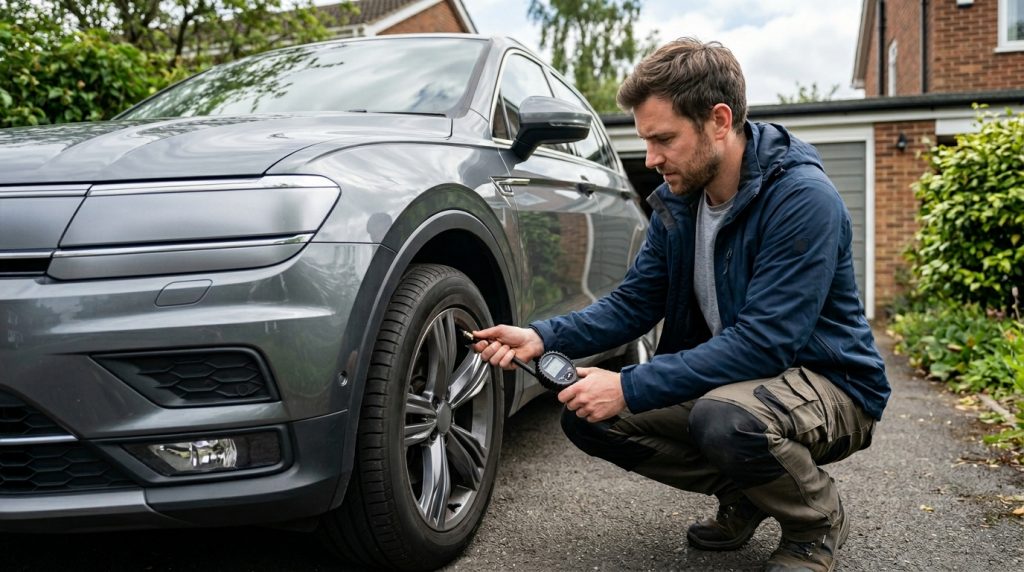
6. Tire Pressure Warning Light
The tire pressure warning light often looks like a horseshoe shape with an exclamation mark. It means one or more tires may have low pressure.
Low tire pressure can cause:
- Poor fuel economy
- Uneven tire wear
- Reduced handling
- Longer braking distance
- Higher risk of tire failure
When this light appears, check tire pressure as soon as possible. Inflate the tires to the recommended pressure listed in your owner’s manual or driver’s door sticker.
If the light returns after inflation, you may have a slow leak or faulty sensor.
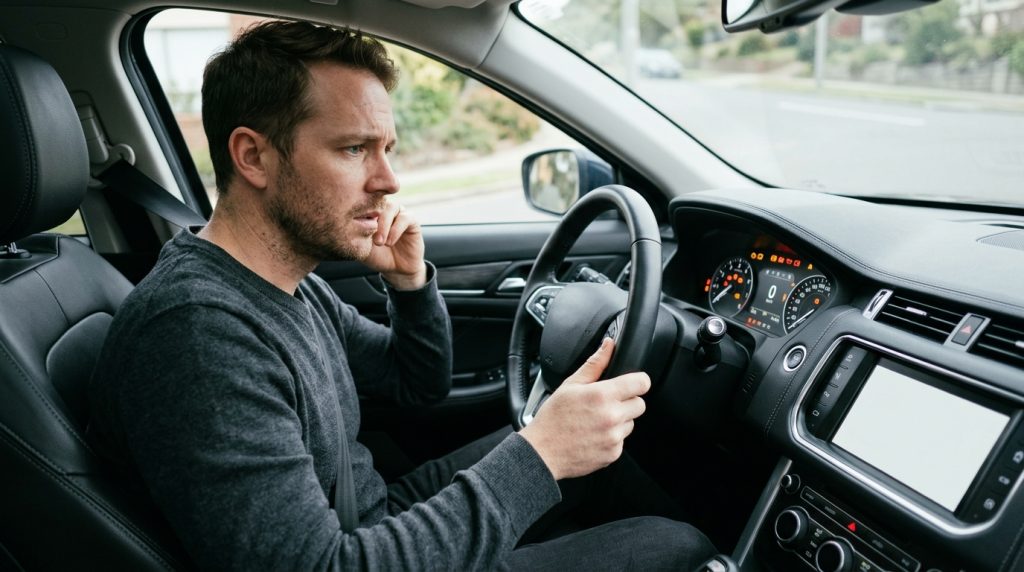
7. Engine Temperature Warning Light
The engine temperature warning light usually looks like a thermometer in water. This light means the engine may be overheating.
Possible causes include:
- Low coolant
- Coolant leak
- Bad thermostat
- Failing radiator fan
- Water pump problem
- Radiator issue
If this red light appears, pull over safely and turn off the engine. Do not open the radiator cap while the engine is hot. Overheating can cause serious engine damage.
This is one of the dashboard warning lights you should never ignore.
8. Airbag Warning Light
The airbag warning light usually shows a seated person with a circle in front. It means there may be a problem with the airbag system or seat belt pretensioner system.
If this light stays on, the airbags may not deploy correctly in a crash. It does not usually affect normal driving, but it affects crash protection.
Common causes include:
- Airbag sensor issue
- Seat belt sensor problem
- Wiring fault
- Previous collision repair issue
- Airbag module problem
Have this checked by a qualified technician because airbag systems are important safety equipment.
9. Traction Control or Stability Control Light
The traction control or stability control light often shows a car with wavy skid marks. Sometimes it flashes while the system is actively helping you maintain control.
If it flashes briefly, that may be normal during slippery driving. If it stays on, the system may be turned off or may have a fault.
Possible causes include:
- Wheel speed sensor issue
- Traction control disabled
- Stability control fault
- ABS-related problem
This light matters because traction and stability systems help reduce loss of control, especially in rain, snow, or slippery conditions.
10. Coolant, Washer Fluid, and Other Reminder Lights
Some dashboard lights are less urgent but still useful. These may include low washer fluid, low fuel, door open, seat belt reminder, or maintenance reminder lights.
These lights usually do not mean immediate danger, but you should respond appropriately. For example, low fuel can leave you stranded, and low washer fluid can reduce visibility in bad weather.
Even simple dashboard warning lights help keep your car safer and easier to maintain.
What to Do When a Dashboard Warning Light Appears
When a warning light appears, stay calm and follow a few basic steps.
First, notice the color. Red usually means urgent action. Yellow or amber usually means the car needs inspection soon. Green or blue usually means a system is active.
Second, check whether the car feels normal. If you notice smoke, overheating, strange noises, loss of power, or brake problems, pull over safely.
Third, check your owner’s manual. It will explain the exact symbol for your vehicle.
Finally, schedule a mechanic inspection if the light does not go away or if you are unsure what it means.
Common Mistakes Drivers Make
Many drivers make mistakes when dealing with warning lights.
Avoid these problems:
- Ignoring red warning lights
- Driving with low oil pressure
- Ignoring overheating
- Waiting too long on brake warnings
- Assuming the check engine light is harmless
- Clearing codes without fixing the problem
- Not checking tire pressure
- Ignoring warning lights before a road trip
- Skipping the owner’s manual
- Delaying professional inspection
Warning lights are designed to help you. Ignoring them can lead to expensive repairs or unsafe driving.
Should You Keep Driving With a Warning Light?
It depends on the light. Some lights allow short-term driving, while others require immediate action.
You should stop driving as soon as it is safe if you see:
- Oil pressure warning
- Engine temperature warning
- Brake system warning
- Flashing check engine light
- Battery light with electrical failure
- Any warning combined with smoke, smell, or loss of control
For yellow lights, you may be able to continue driving carefully, but you should schedule service soon.
FAQ About Dashboard Warning Lights
What are dashboard warning lights?
Dashboard warning lights are symbols on your car’s instrument panel that alert you about vehicle systems, maintenance reminders, or possible problems.
What does a red dashboard light mean?
A red dashboard light usually means urgent attention is needed. You may need to stop driving safely and check the issue immediately.
Can I drive with the check engine light on?
If the check engine light is steady, you may be able to drive for a short time, but you should get the vehicle checked soon. If it is flashing, stop driving safely and seek help.
What is the most serious warning light?
Oil pressure, engine temperature, brake warning, and flashing check engine lights are among the most serious warning lights.
Why does my tire pressure light stay on?
It may stay on because one or more tires are still low, there is a slow leak, the sensor needs resetting, or the tire pressure monitoring system has a fault.
Should I reset a warning light myself?
You should not reset a warning light without fixing the problem. Clearing a code does not repair the cause of the warning.
Conclusion
Understanding dashboard warning lights is an important part of safe and responsible driving. These lights help you identify problems before they become serious, protect your vehicle from damage, and keep you safer on the road.
Some warning lights are simple reminders, while others require immediate action. Red lights should be treated seriously, especially oil pressure, temperature, brake, and flashing check engine warnings.
When a warning light appears, do not panic and do not ignore it. Check the symbol, review your owner’s manual, and get professional help if needed. Learning what dashboard warning lights mean can save money, prevent breakdowns, and give you more confidence as a driver.
