
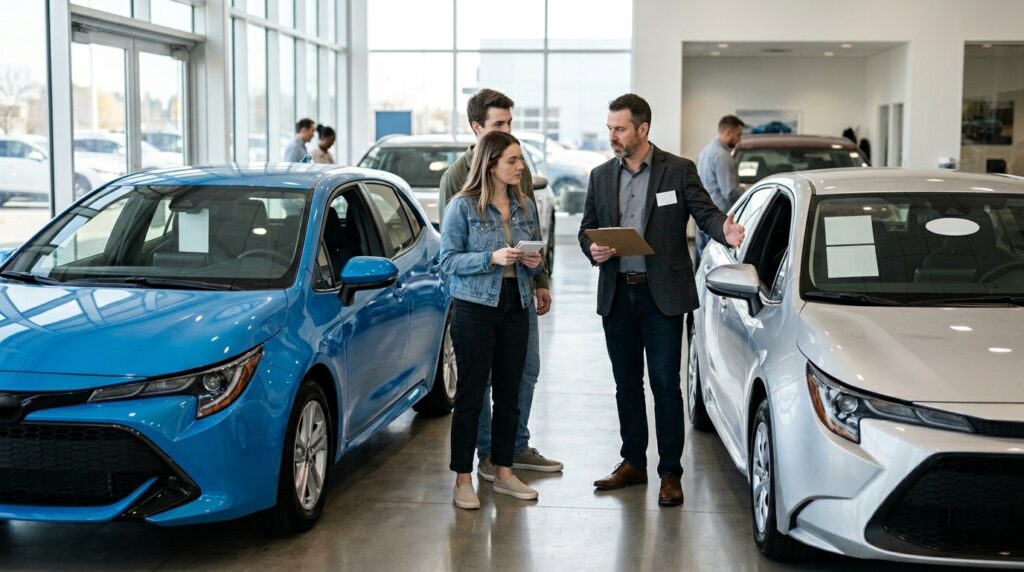
Buying a car is a major financial decision, and one of the first questions many buyers ask is simple: should I buy a new car or a used car? The answer is not the same for everyone. When comparing new car vs used car options, you need to think about your budget, lifestyle, driving needs, maintenance expectations, insurance costs, and long-term ownership plans.
A new car can give you peace of mind, modern safety features, warranty coverage, and the feeling of owning something brand new. A used car can save you money, reduce depreciation loss, and help you get more value for your budget.
In this guide, we will compare new car vs used car choices in a practical way. You will learn the advantages, disadvantages, hidden costs, and key questions to ask before making your final decision.
If you are still at the beginning of your car buying journey, you may also want to read our complete guide on how to choose your first car</a> before deciding between a new car and a used car.
New Car vs Used Car: The Main Difference
The main difference between a new car and a used car is not only the price. It is also about risk, value, depreciation, warranty, technology, and long-term cost.
A new car has never been owned before. It usually comes with a manufacturer warranty, the latest features, and no accident or maintenance history to worry about. However, it usually costs more and loses value quickly during the first few years.
A used car has already had at least one previous owner. It is usually cheaper to buy, and much of the early depreciation has already happened. However, a used car may need more inspection, maintenance, and research before purchase.
That is why the new car vs used car decision should be based on total value, not just the sticker price.

Why Buying a New Car Can Be a Good Choice
Buying a new car is attractive for many reasons. For some buyers, the extra cost is worth it because a new car offers confidence, convenience, and fewer unknown problems.
1. You Get a Full Warranty
One of the biggest benefits of buying a new car is warranty coverage. Most new cars come with a manufacturer warranty that protects you from many major repair costs for a certain period or mileage limit.
This can be especially helpful if you do not want to worry about unexpected mechanical problems. If something goes wrong during the warranty period, the repair may be covered by the manufacturer.
When comparing new car vs used car, warranty coverage is one of the strongest advantages of buying new.
2. You Know the Car’s Full History
A new car has no previous owner, no hidden accident history, and no unknown maintenance record. You do not have to wonder whether the car was driven harshly, poorly serviced, or repaired after damage.
This makes the buying process simpler and less stressful. For buyers who want peace of mind, this can be a major reason to choose a new car.
3. New Cars Have Modern Safety Features
New cars often include updated safety technology. Depending on the model, these features may include automatic emergency braking, lane departure warning, blind spot monitoring, adaptive cruise control, rearview cameras, and improved airbag systems.
Safety technology can be valuable for families, new drivers, daily commuters, and anyone who spends a lot of time on the road.
If safety is your top priority, the new car vs used car comparison may lean toward a newer model with more advanced safety systems.
4. Better Financing Options May Be Available
Some dealerships and manufacturers offer special financing deals for new cars. These may include lower interest rates, cash-back offers, or promotional loan terms.
However, you should still compare the total cost carefully. A lower interest rate does not always mean the car is cheaper overall if the purchase price is much higher.
Disadvantages of Buying a New Car
A new car may feel like the safest option, but it also has some important disadvantages.
1. New Cars Cost More
The most obvious disadvantage is the higher purchase price. A new car usually costs much more than a similar used model. This can lead to a larger down payment, higher monthly payments, and higher taxes.
If your budget is limited, buying new may put too much pressure on your finances.
2. Depreciation Happens Quickly
Depreciation means the car loses value over time. New cars often lose a significant amount of value during the first few years of ownership.
This matters because if you sell or trade in the car after only a short time, you may receive much less than you paid. In the new car vs used car debate, depreciation is one of the biggest reasons many buyers choose used cars.
3. Insurance May Be More Expensive
New cars may cost more to insure because they are more valuable and may have higher repair costs. If you finance or lease a new car, your lender may also require more complete insurance coverage.
Before buying a new car, always check insurance quotes. A car that seems affordable at the dealership may become expensive once insurance is included.
Why Buying a Used Car Can Be a Smart Choice
A used car can be a smart financial decision, especially if you want to save money and avoid the steepest part of depreciation.
1. Used Cars Usually Cost Less
The biggest benefit of buying used is the lower purchase price. You may be able to buy a good used car for much less than a new one.
This can lower your monthly payment, reduce your loan amount, and make car ownership more affordable.
For many practical buyers, the new car vs used car decision comes down to this simple advantage: a used car can offer better value for the money.
2. Less Depreciation Loss
Because the first owner has already absorbed much of the early depreciation, a used car may lose value more slowly than a new car.
This can be helpful if you plan to sell the car later. You may lose less money compared to buying new and selling after a few years.
3. You May Get a Better Car for Your Budget
Buying used can allow you to afford a higher trim level, larger vehicle, or more reliable model than you could buy new at the same price.
For example, instead of buying a basic new compact car, you might be able to buy a well-maintained used sedan or small SUV with better features.
4. Certified Pre-Owned Cars Offer Extra Confidence
A certified pre-owned car can be a good middle option. These vehicles are used, but they are usually inspected and may come with limited warranty coverage.
Certified pre-owned vehicles often cost more than regular used cars, but they may provide more peace of mind.
Disadvantages of Buying a Used Car
Used cars can offer great value, but they also require more careful research.
1. The Car May Have Hidden Problems
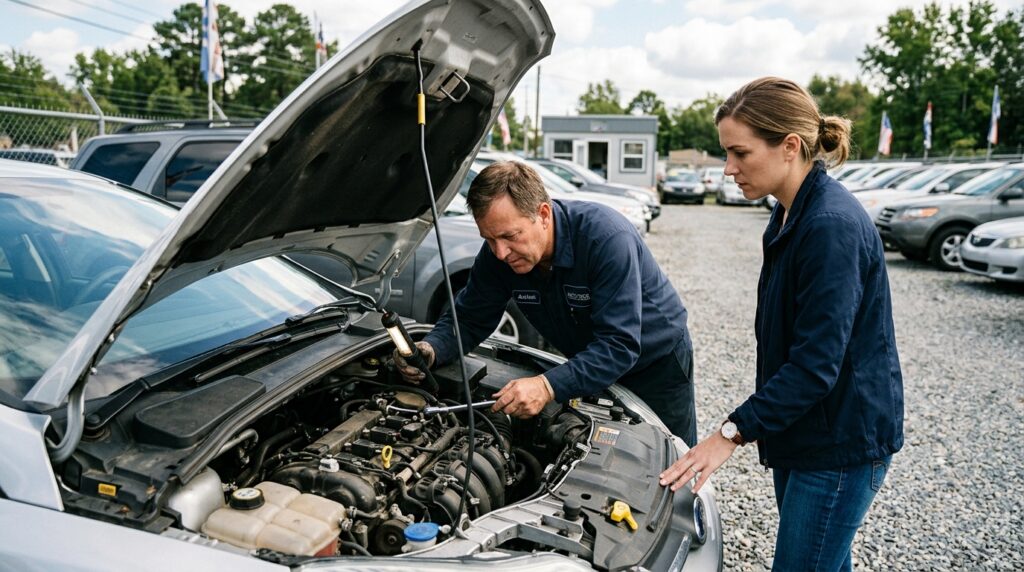
A used car may have accident damage, poor maintenance history, engine problems, transmission issues, or flood damage. Some problems may not be obvious during a quick inspection.
That is why you should always check the vehicle history report, service records, mileage, tires, brakes, engine condition, and signs of previous repairs.
2. Maintenance Costs May Be Higher
Older cars may need more frequent repairs and maintenance. Parts such as tires, brakes, batteries, suspension components, and belts may need replacement sooner.
A used car with a low price is not always a good deal if it needs expensive repairs soon after purchase.
3. Warranty Coverage May Be Limited
Some used cars are sold without warranty coverage. This means you may be responsible for repair costs immediately after buying the vehicle.
Before buying a used car, ask whether any warranty remains and what it covers. If there is no warranty, consider a professional inspection before paying.
New Car vs Used Car: Cost Comparison
When comparing new car vs used car choices, do not look only at the purchase price. The real cost of ownership includes several factors.
You should compare:
- Purchase price
- Down payment
- Monthly loan payment
- Interest rate
- Insurance cost
- Fuel cost
- Maintenance cost
- Repair risk
- Registration fees
- Depreciation
- Warranty coverage
- Resale value
A new car may have lower repair costs at first, but higher payments and faster depreciation. A used car may have a lower price, but higher repair risk.
The better choice depends on which costs matter most to your situation.
When a New Car May Be Better
A new car may be the better choice if you want maximum peace of mind and plan to keep the car for many years.
Buying new may make sense if:
- You want full warranty coverage
- You want the latest safety features
- You do not want to worry about previous owners
- You plan to keep the car long-term
- You qualify for a good financing deal
- You have a stable budget
- You want a specific color, trim, or feature package
A new car is not always the cheapest choice, but it can be the most convenient and predictable choice.
When a Used Car May Be Better
A used car may be better if your main goal is value and lower upfront cost.
Buying used may make sense if:
- You want a lower purchase price
- You want lower monthly payments
- You want to avoid major depreciation
- You are comfortable checking vehicle history
- You can pay for a mechanic inspection
- You want more car for your budget
- You do not need the newest features
A used car can be a smart choice if you are patient, careful, and willing to compare multiple options.
What First-Time Buyers Should Consider
For first-time buyers, the new car vs used car decision should be made carefully. Your first car should not create financial stress.
If you are buying your first car, focus on:
- Reliability
- Safety
- Affordable insurance
- Good fuel economy
- Easy maintenance
- Reasonable repair costs
- Comfortable driving
- Clear ownership history
A used car can be a good first car if it is reliable and well-maintained. A new car can also be a good first car if the monthly cost fits your budget comfortably.
The key is to avoid buying a car only because it looks exciting. Your first car should be practical before it is impressive.
Questions to Ask Before Deciding
Before choosing between a new car and a used car, ask yourself these questions:
- What is my total budget?
- Can I afford insurance and maintenance?
- How long do I plan to keep the car?
- Do I need the latest safety technology?
- Am I comfortable buying a used vehicle?
- Can I get a trusted mechanic inspection?
- How much will the car lose in value?
- Is warranty coverage important to me?
- Will this car still fit my needs in three to five years?
- Am I buying based on logic or emotion?
These questions can help you make a more confident decision.
Common Mistakes to Avoid
Many buyers make mistakes because they focus only on one part of the decision.
Avoid these common mistakes:
- Buying only because the monthly payment looks low
- Ignoring depreciation
- Forgetting insurance costs
- Skipping a used car inspection
- Not comparing multiple vehicles
- Buying more car than you can afford
- Trusting a seller without checking records
- Ignoring long-term maintenance costs
- Choosing style over reliability
- Rushing because of sales pressure
A smart car purchase should feel clear, practical, and financially comfortable.
Final Verdict: New Car vs Used Car
So, which one should you buy? The best answer depends on your budget, needs, and comfort level.
Choose a new car if you want full warranty coverage, modern safety features, fewer unknown risks, and long-term peace of mind.
Choose a used car if you want a lower purchase price, slower depreciation, and better value for your money.
In the end, the new car vs used car decision is not about which option is always better. It is about which option is better for you.
FAQ About New Car vs Used Car
Is it better to buy a new car or a used car?
It depends on your budget and priorities. A new car offers warranty coverage and modern features, while a used car usually costs less and may offer better value.
Is a used car better for first-time buyers?
A used car can be better for first-time buyers if it is reliable, affordable, and properly inspected. It can help reduce monthly payments and ownership costs.
What is the biggest disadvantage of buying a new car?
The biggest disadvantage of buying a new car is depreciation. New cars usually lose value quickly during the first few years.
What is the biggest risk of buying a used car?
The biggest risk of buying a used car is hidden damage or poor maintenance history. A vehicle history report and mechanic inspection can reduce this risk.
Should I buy a certified pre-owned car?
A certified pre-owned car can be a good option if you want a used car with extra inspection and possible warranty coverage.
Which is cheaper to insure, a new car or a used car?
A used car is often cheaper to insure because it usually has a lower value. However, insurance costs depend on the model, safety features, location, and driver profile.
Conclusion
The new car vs used car decision is one of the most important choices in the car buying process. A new car can offer comfort, warranty protection, and the latest technology. A used car can offer lower costs, better value, and less depreciation.
Before choosing, compare the total cost of ownership, not just the purchase price. Think about insurance, maintenance, repairs, fuel, warranty, safety, and resale value.
If you want peace of mind and can afford the higher cost, a new car may be the right choice. If you want value and lower payments, a well-inspected used car may be the smarter option.
The best car is not always the newest or the cheapest. The best car is the one that fits your budget, protects your safety, and supports your daily life without creating financial stress.
Now that you know how to choose your first car, take your time to compare safety, reliability, fuel economy, and total ownership costs before making a final decision.
New Car vs Used Car: Which One Should You Buy in 2026? NHTSA vehicle safety ratings.
