

Buying a car is a major decision, but the purchase price is only one part of the story. Many first-time buyers focus on the monthly payment and forget about insurance, fuel, maintenance, repairs, registration, parking, taxes, and depreciation. The real cost to own a car can be much higher than expected if you do not plan carefully.
A car may look affordable at first, especially if the monthly payment seems low. However, ownership costs continue long after you leave the dealership. Every driver needs to understand the full financial picture before choosing a vehicle.
In this guide, we will break down the true cost to own a car in 2026. You will learn the main expenses, hidden costs, budgeting tips, and smart ways to reduce your long-term car ownership costs.
If you are still planning your purchase, it may help to read our complete guide on how to choose your first car before calculating the total cost of ownership.
Why the Cost to Own a Car Matters
Understanding the cost to own a car matters because a vehicle affects your monthly budget for years. A car is not a one-time purchase. It is an ongoing financial responsibility.
If you only look at the sale price, you may choose a car that becomes difficult to afford later. A vehicle with a low sticker price may have high insurance, poor fuel economy, expensive maintenance, or fast depreciation. On the other hand, a slightly more expensive car may cost less over time if it is reliable and efficient.
Before buying, you should ask one important question: “Can I afford the full cost of owning this car, not just the payment?”
For a broader ownership cost estimate, you can also review AAA Your Driving Costs, which analyzes the annual cost of owning and operating a vehicle, including depreciation, fuel, maintenance, insurance, financing, license, registration, and taxes.
1. Purchase Price
The purchase price is the amount you pay to buy the car. This is usually the first cost buyers think about, but it should not be the only one.
The price may include:
- Vehicle sale price
- Dealer fees
- Taxes
- Registration charges
- Optional warranty packages
- Add-ons or accessories
A lower purchase price can help reduce your total budget, but it does not always mean the car is cheaper to own. A cheap car with poor reliability may cost more later through repairs and maintenance.
When comparing cars, always look at both the purchase price and the long-term cost to own a car.
2. Down Payment and Monthly Loan Payment
If you finance your car, your monthly loan payment becomes one of your biggest regular expenses. This payment depends on the vehicle price, loan amount, interest rate, loan length, and down payment.
A larger down payment can reduce your monthly payment and total interest. A longer loan term may make the monthly payment smaller, but it can increase the total amount you pay over time.
Before accepting a loan, review:
- Monthly payment
- Interest rate
- Loan term
- Total interest
- Total amount financed
- Any extra fees
Do not choose a car only because the monthly payment looks affordable. A low payment can hide a longer loan and higher total cost.
3. Car Insurance
Car insurance is a major part of the cost to own a car. Insurance rates can vary widely depending on the car, driver, location, coverage level, and driving history.
Insurance costs may be affected by:
- Vehicle model
- Vehicle age
- Repair costs
- Safety features
- Theft risk
- Driver age
- Driving record
- Location
- Coverage type
A sporty car, luxury vehicle, or expensive SUV may cost more to insure than a practical sedan or compact car. Before buying, get insurance quotes for the vehicles you are considering. This simple step can prevent unpleasant surprises after purchase.
4. Fuel Costs
Fuel is one of the most visible ownership expenses because you pay for it regularly. The amount you spend depends on fuel prices, driving distance, traffic conditions, and your car’s fuel economy.
A fuel-efficient car can save money every month, especially if you drive often. City driving, heavy traffic, aggressive acceleration, and poor maintenance can increase fuel use.
To estimate fuel costs, consider:
- How many miles you drive each week
- The car’s fuel economy
- Local fuel prices
- Highway versus city driving
- Your driving habits
When calculating the cost to own a car, fuel should always be included, especially for daily commuters.
5. Maintenance Costs
Maintenance keeps your car safe, reliable, and efficient. Regular maintenance may seem like an extra cost, but it can prevent expensive repairs later.
Common maintenance items include:
- Oil changes
- Tire rotation
- Brake inspection
- Fluid checks
- Air filter replacement
- Battery checks
- Wheel alignment
- Spark plugs
- Wiper blades
Maintenance costs vary by car type. Some vehicles are cheaper to service because parts are common and labor is simple. Luxury cars, performance cars, and some imported vehicles may cost more to maintain.
A reliable car with affordable maintenance is usually a better long-term choice than a car that is cheap to buy but expensive to service.
6. Repair Costs
Repairs are different from maintenance. Maintenance is planned. Repairs usually happen when something breaks or stops working properly.
Common repair costs may include:
- Brake replacement
- Battery replacement
- Tire replacement
- Suspension repair
- Engine repair
- Transmission repair
- Air conditioning repair
- Electrical system repair
Used cars may need more repairs than new cars, especially if they have high mileage or poor service history. However, even new cars can have repair costs after the warranty ends.
When estimating the cost to own a car, it is smart to keep an emergency repair fund. This can help you handle unexpected problems without financial stress.
7. Registration, Taxes, and Fees
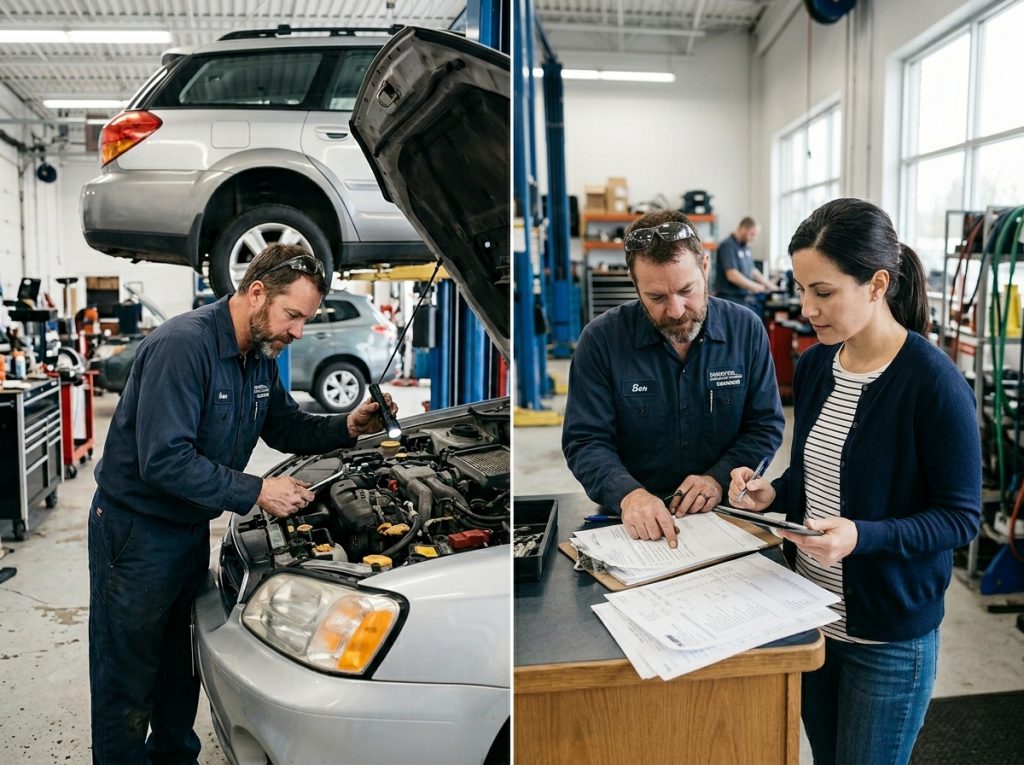
Many buyers forget about registration, taxes, inspection fees, and local charges. These costs may be due when you buy the car and again each year, depending on where you live.
Possible fees include:
- Vehicle registration
- Title fees
- Sales tax
- Road tax
- Inspection fees
- Emissions testing
- License plate fees
These costs may not be as frequent as fuel or insurance, but they still affect the total cost to own a car. Always check local requirements before buying.
8. Depreciation
Depreciation is the loss of a car’s value over time. It is one of the biggest hidden costs of car ownership, even though you do not pay it directly every month.
New cars usually lose value faster during the first few years. Used cars may depreciate more slowly because the first owner has already absorbed much of the early value loss.
Depreciation matters if you plan to sell or trade in your car later. A car with strong resale value can reduce your long-term ownership cost.
To reduce depreciation loss, consider:
- Buying a reliable model
- Keeping service records
- Avoiding unnecessary damage
- Choosing practical colors and trims
- Maintaining the car well
- Avoiding overpaying at purchase
Depreciation is a key factor when comparing the real cost to own a car.
9. Parking, Tolls, and Daily Use Costs
Daily use costs can add up over time. These expenses depend on where you live, where you work, and how often you drive.
Common daily use costs include:
- Parking fees
- Toll roads
- Car washes
- Roadside assistance
- Cleaning supplies
- Accessories
- Garage or storage fees
City drivers may spend more on parking and tolls. Suburban or rural drivers may spend more on fuel due to longer distances.
These smaller expenses may not seem important at first, but they can become a noticeable part of your yearly car budget.
10. Hidden Costs Many Buyers Forget
The real cost to own a car often includes hidden costs that many buyers do not consider.
These may include:
- Higher insurance after an accident
- Replacement tires
- Battery replacement
- Loan interest
- Late payment fees
- Extended warranty costs
- Detailing
- Emergency towing
- Parking tickets
- Increased fuel costs during travel
- Loss of resale value from damage
Hidden costs are one reason buyers should avoid stretching their budget too far. A car should support your life, not create financial pressure.
How to Estimate Your Monthly Car Ownership Cost
To estimate your monthly car budget, add all regular expenses together.
Your monthly estimate should include:
- Loan payment
- Insurance
- Fuel
- Maintenance savings
- Repair savings
- Registration savings
- Parking or tolls
- Emergency fund
For example, even if your monthly car payment is affordable, the total monthly ownership cost may be much higher once you include insurance, fuel, and maintenance.
A smart buyer looks at the complete picture before signing any agreement.
How to Lower the Cost to Own a Car
There are several practical ways to reduce your car ownership costs.
You can lower costs by:
- Choosing a reliable vehicle
- Comparing insurance quotes
- Buying a fuel-efficient car
- Keeping up with maintenance
- Avoiding aggressive driving
- Checking tire pressure regularly
- Avoiding unnecessary add-ons
- Buying only the car you truly need
- Keeping the car longer
- Comparing financing offers
Small decisions can make a big difference over several years. A practical, reliable car can save you more money than a flashy car with high ownership costs.
FAQ About the Cost to Own a Car
What is the biggest cost of owning a car?
The biggest costs are usually the purchase price, loan payments, insurance, fuel, maintenance, repairs, and depreciation. The exact cost depends on the vehicle and how you use it.
Is the monthly payment the real cost of owning a car?
No. The monthly payment is only one part of the cost to own a car. You also need to include insurance, fuel, maintenance, repairs, registration, taxes, and depreciation.
Are used cars cheaper to own than new cars?
Used cars often have a lower purchase price and slower depreciation, but they may need more repairs. A well-maintained used car can be cheaper to own than a new car.
How can I reduce my car ownership costs?
You can reduce costs by choosing a reliable car, comparing insurance quotes, driving efficiently, maintaining the vehicle properly, avoiding unnecessary upgrades, and planning for repairs.
Why does depreciation matter?
Depreciation matters because it affects how much your car is worth when you sell or trade it in. A car with strong resale value may cost less to own over time.
Should first-time buyers calculate ownership costs before buying?
Yes. First-time buyers should always calculate the full ownership cost before buying. This helps prevent financial stress and makes it easier to choose a practical car.
Conclusion
The real cost to own a car is more than the purchase price or monthly payment. It includes insurance, fuel, maintenance, repairs, registration, taxes, depreciation, parking, tolls, and hidden expenses.
Before buying a vehicle, take time to estimate the full cost. Compare different models, check insurance quotes, think about fuel economy, and plan for repairs. A car that looks affordable today may become expensive later if you ignore long-term costs.
The best car is not always the cheapest one. The best car is the one that fits your budget, meets your needs, stays reliable, and does not create financial stress. When you understand the true cost to own a car, you can make a smarter and safer buying decision.
