
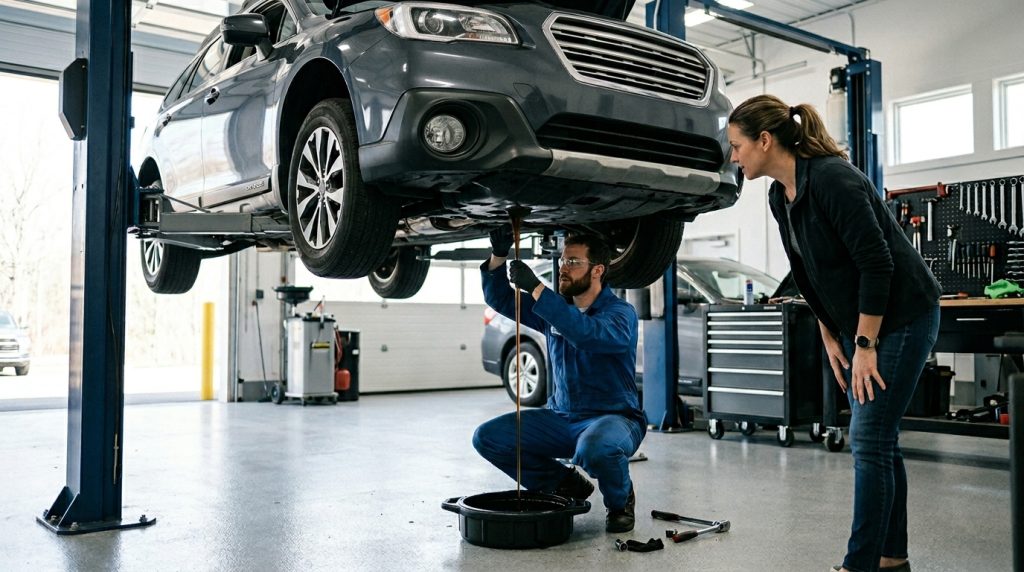
how often to change engine oil
Engine oil is one of the most important fluids in your car. It helps lubricate engine parts, reduce friction, control heat, clean internal components, and protect the engine from wear. If you ignore oil changes for too long, your engine may suffer serious damage. That is why many drivers ask one important question: how often to change engine oil?
The answer depends on your vehicle, oil type, driving habits, mileage, climate, and manufacturer recommendations. Some cars may need oil changes more often, while newer vehicles with synthetic oil may go longer between services.
In this guide, we will explain how often to change engine oil in 2026, what affects your oil change interval, warning signs to watch for, and how to avoid expensive engine problems.
Why Engine Oil Changes Matter
Understanding how often to change engine oil matters because oil protects the engine every time you drive. Inside the engine, many metal parts move quickly and create heat. Without clean oil, these parts can wear down faster.
Over time, engine oil becomes dirty and less effective. It can collect dust, metal particles, sludge, and combustion byproducts. When oil breaks down, it may not lubricate properly. This can increase friction, reduce performance, lower fuel economy, and cause long-term engine damage.
Regular oil changes are one of the simplest and most affordable ways to protect your car. Compared with major engine repairs, an oil change is a small cost that can save a lot of money later.
Regular oil changes are part of the real cost to own a car, along with insurance, fuel, repairs, registration, and depreciation.
1. Follow the Owner’s Manual First
The best place to start is your vehicle owner’s manual. It gives the manufacturer’s recommended oil change interval for your specific car, engine, and oil type.
Some vehicles may recommend oil changes every 5,000 miles, while others may allow longer intervals with full synthetic oil. Modern cars may also have an oil life monitoring system that tells you when service is needed.
When deciding how often to change engine oil, do not rely only on general advice. Your owner’s manual is more accurate because it is based on your exact vehicle.
You should check:
- Recommended oil type
- Oil viscosity
- Mileage interval
- Time interval
- Severe driving conditions
- Oil filter recommendations
Following the manual can help protect your warranty, engine life, and long-term reliability.
For general oil change guidance, AAA explains that many modern engines can often go beyond the old 3,000-mile rule, but drivers should still follow their vehicle owner’s manual and driving conditions.
2. Understand the Difference Between Oil Types
Oil type has a big effect on how often to change engine oil. Not all engine oils last the same amount of time.
Conventional Oil
Conventional oil is usually cheaper, but it may need to be changed more often. It is common in older vehicles or basic maintenance plans.
Synthetic Blend Oil
Synthetic blend oil combines conventional and synthetic oil. It usually offers better protection than conventional oil but may cost less than full synthetic.
Full Synthetic Oil
Full synthetic oil is designed to last longer and perform better under heat, cold, and heavy driving conditions. Many modern cars use full synthetic oil because it offers strong engine protection and longer change intervals.
Even with synthetic oil, you should not ignore the recommended schedule. Oil still becomes contaminated over time.
3. Consider Your Driving Habits
Your driving habits can affect how often your car needs an oil change. Two drivers with the same car may need different maintenance schedules depending on how they drive.
You may need more frequent oil changes if you often:
- Drive in stop-and-go traffic
- Take many short trips
- Drive in extreme heat or cold
- Tow heavy loads
- Drive on dusty roads
- Idle for long periods
- Drive aggressively
- Use the car for delivery or rideshare work
Short trips can be especially hard on engine oil because the engine may not fully warm up. This can allow moisture and fuel residue to build up in the oil.
If your driving conditions are severe, you may need to change oil sooner than the standard interval.
4. Pay Attention to Mileage and Time
Mileage is important, but time also matters. Some drivers do not drive many miles each year, but they still need regular oil changes.
Oil can degrade over time even if the car is not driven often. Moisture, temperature changes, and engine inactivity can affect oil quality.
A common mistake is thinking, “I did not drive much, so I do not need an oil change.” Low-mileage drivers should still follow the time-based recommendation in the owner’s manual.
When thinking about how often to change engine oil, consider both:
- Miles driven
- Months since the last oil change
For many drivers, changing oil based on whichever comes first is the safest approach.
5. Watch for Warning Signs
Your car may show signs that it needs an oil change. These signs should not be ignored.
Common warning signs include:
- Oil change light turns on
- Check engine light appears
- Dark or dirty oil
- Engine sounds louder than usual
- Burning oil smell
- Lower fuel economy
- Exhaust smoke
- Oil level drops quickly
- Rough engine performance
Some signs may indicate more serious problems than old oil. For example, burning smells, smoke, or rapid oil loss may suggest leaks or engine wear.
If you notice these symptoms, check your oil level and schedule service as soon as possible.
6. Check Oil Level Regularly
Even if you know how often to change engine oil, you should still check the oil level between services. Some cars consume oil naturally, while others may lose oil through leaks.
Checking oil level is usually simple. Park on level ground, wait for the engine to cool slightly, remove the dipstick, wipe it clean, insert it again, and check the level.
If the oil level is low, add the correct oil type recommended by the manufacturer. Do not overfill, because too much oil can also cause problems.
Regular oil checks can help you catch problems early before they become expensive repairs.
7. Do Not Ignore the Oil Filter
The oil filter is just as important as the oil itself. It helps remove dirt, metal particles, and contaminants from the engine oil.
If you change the oil but keep an old filter, dirty particles may continue circulating through the engine. That reduces the benefit of the oil change.
Most oil change services include a new oil filter, but you should confirm this before service. Using a quality oil filter can help protect your engine and maintain better oil flow.
When planning how often to change engine oil, remember that oil and filter service should usually go together.
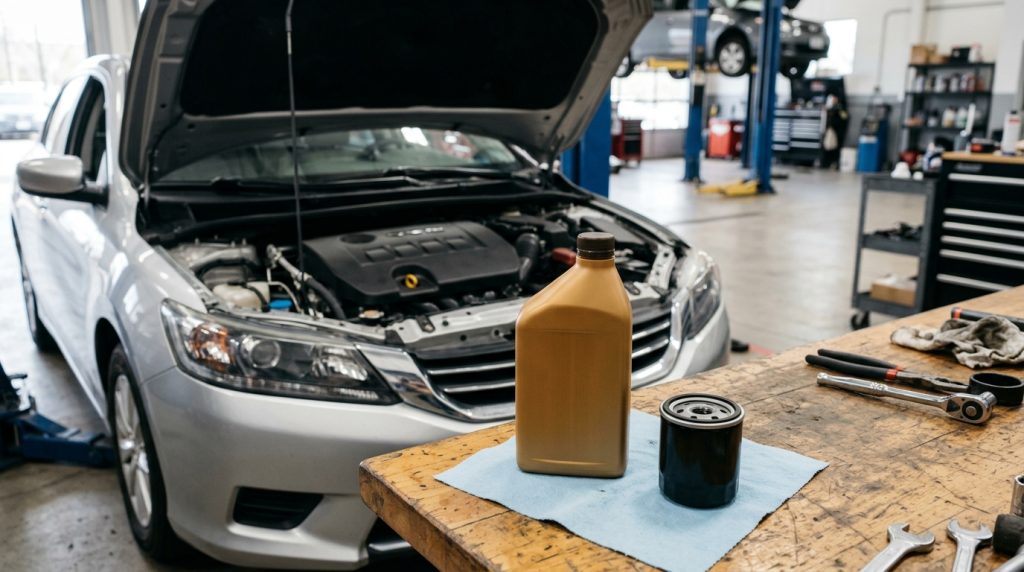
How Often Should Most Drivers Change Engine Oil?
There is no single number that fits every vehicle, but many drivers follow intervals based on oil type, vehicle age, and driving conditions.
General examples may include:
- Older vehicles with conventional oil: shorter intervals
- Modern vehicles with synthetic oil: longer intervals
- Severe driving conditions: more frequent oil changes
- Low-mileage vehicles: time-based oil changes
The safest answer is to follow the owner’s manual and adjust based on your real driving conditions.
If you are unsure, ask a trusted mechanic. It is usually better to change oil slightly early than to wait too long and risk engine damage.
What Happens If You Wait Too Long?
Waiting too long between oil changes can cause serious problems. Old oil loses its ability to protect the engine. It may become thick, dirty, or contaminated.
Possible problems include:
- Increased engine wear
- Sludge buildup
- Poor fuel economy
- Overheating
- Reduced performance
- Oil leaks
- Engine noise
- Expensive repairs
- Engine failure
An oil change is much cheaper than replacing engine parts. That is why regular maintenance is one of the best habits for any car owner.
Should You Change Oil Before a Long Trip?
If your oil change is almost due, it is smart to service the car before a long road trip. Long-distance driving can put more heat and stress on the engine.
Before a trip, check:
- Engine oil level
- Oil condition
- Tire pressure
- Coolant level
- Brake fluid
- Lights
- Battery condition
- Wiper fluid
Fresh oil can give you more confidence during long drives, especially if you will travel through hot weather, mountains, or heavy traffic.
Common Oil Change Mistakes to Avoid
Many drivers make simple mistakes with oil changes.
Avoid these common problems:
- Ignoring the owner’s manual
- Using the wrong oil type
- Skipping the oil filter
- Waiting only for warning lights
- Driving with low oil
- Overfilling the engine
- Forgetting time-based service
- Ignoring leaks
- Using poor-quality oil
- Not keeping maintenance records
Keeping oil change records can also help when selling the car later. Buyers often trust a vehicle more when maintenance history is organized.
FAQ About How Often to Change Engine Oil
How often should I change engine oil?
The best answer depends on your vehicle, oil type, and driving habits. Always start with the owner’s manual and adjust for severe driving conditions.
Is synthetic oil better than conventional oil?
Synthetic oil usually lasts longer and performs better under heat, cold, and heavy driving conditions. Many modern vehicles require or recommend synthetic oil.
Can I change engine oil once a year?
Some low-mileage drivers may change oil based on time rather than mileage. However, you should follow the vehicle manufacturer’s recommendation.
What happens if I do not change engine oil?
Old oil can cause sludge, friction, overheating, poor performance, and serious engine damage. Waiting too long can lead to expensive repairs.
Should I replace the oil filter every oil change?
Yes, in most cases. A clean oil filter helps remove contaminants and allows fresh oil to protect the engine properly.
How do I know what oil my car needs?
Check the owner’s manual or oil cap. You can also ask a trusted mechanic or dealership service department.
Conclusion
Learning how often to change engine oil is one of the most important parts of car maintenance. Clean oil protects your engine, improves reliability, supports fuel efficiency, and helps prevent expensive repairs.
The right oil change interval depends on your vehicle, oil type, mileage, time, and driving conditions. Always follow the owner’s manual, watch for warning signs, check oil levels regularly, and replace the oil filter during service.
A simple oil change may not seem exciting, but it is one of the best ways to keep your car running smoothly for years. When you understand how often to change engine oil, you can protect your engine, save money, and drive with more confidence.
