
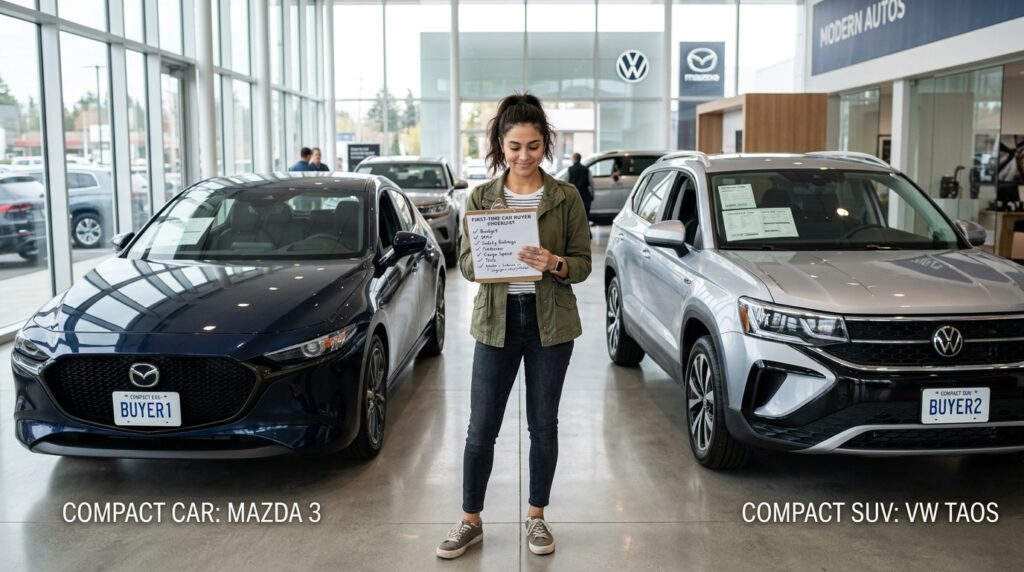
How to Choose Your First Car: A Complete Beginner’s Guide
Buying your first car is an exciting milestone, but it can also feel overwhelming. With so many brands, models, prices, features, and financing options available, many first-time buyers do not know where to begin. That is why learning how to choose your first car is an important step before visiting a dealership or contacting a seller.
Your first car should not only look good. It should be reliable, affordable, safe, comfortable, and practical for your daily life. When you understand how to choose your first car based on your real needs, you can avoid expensive mistakes and make a smarter buying decision.
In this complete beginner’s guide, you will learn how to choose your first car step by step. We will cover budgeting, safety features, fuel economy, insurance costs, new versus used cars, test drives, inspections, and common first-time buyer mistakes.
Why Learning How to Choose Your First Car Matters
Learning how to choose your first car matters because your decision can affect your daily routine, monthly budget, and driving confidence for years. A good first car can make commuting easier, reduce repair stress, and help you build safe driving habits.
A poor choice, however, can lead to high insurance costs, expensive repairs, poor fuel economy, and financial pressure. Many first-time buyers focus only on the purchase price, but the real cost of a car includes fuel, insurance, maintenance, repairs, registration, taxes, and possible loan interest.
If you want to understand how to choose your first car wisely, you need to look beyond the sticker price and consider the total cost of ownership.
Step 1: Understand Your Real Driving Needs

The first step in how to choose your first car is understanding how you will actually use the vehicle. A car that works well for one person may not be the right choice for another.
Ask yourself these questions:
- Will you drive mostly in the city or on highways?
- How many miles will you drive each week?
- Do you need space for family, friends, or luggage?
- Will you use the car for school, work, or long trips?
- Is fuel economy important to you?
- Do you need a car that is easy to park?
If you live in a busy city, a compact car may be easier to park and cheaper to run. If you travel with family, a sedan or small SUV may be more comfortable. If you drive long distances, fuel efficiency should be a major priority.
The best way to choose your first car is to match the vehicle to your lifestyle, not to someone else’s opinion.
Step 2: Set a Realistic Budget
A major part of how to choose your first car is setting a realistic budget. Many first-time buyers only ask, “Can I afford the monthly payment?” A better question is, “Can I afford the total cost of owning this car?”
Your budget should include:
- Purchase price
- Down payment
- Monthly loan payment
- Car insurance
- Fuel costs
- Maintenance
- Repairs
- Registration fees
- Taxes
- Parking costs
A car with a low monthly payment may still be expensive if insurance, repairs, or fuel costs are high. This is why budgeting is one of the most important parts of learning how to choose your first car.
Avoid spending so much on a car that it affects your ability to pay for rent, food, savings, or emergency expenses.
Step 3: Compare New Cars and Used Cars
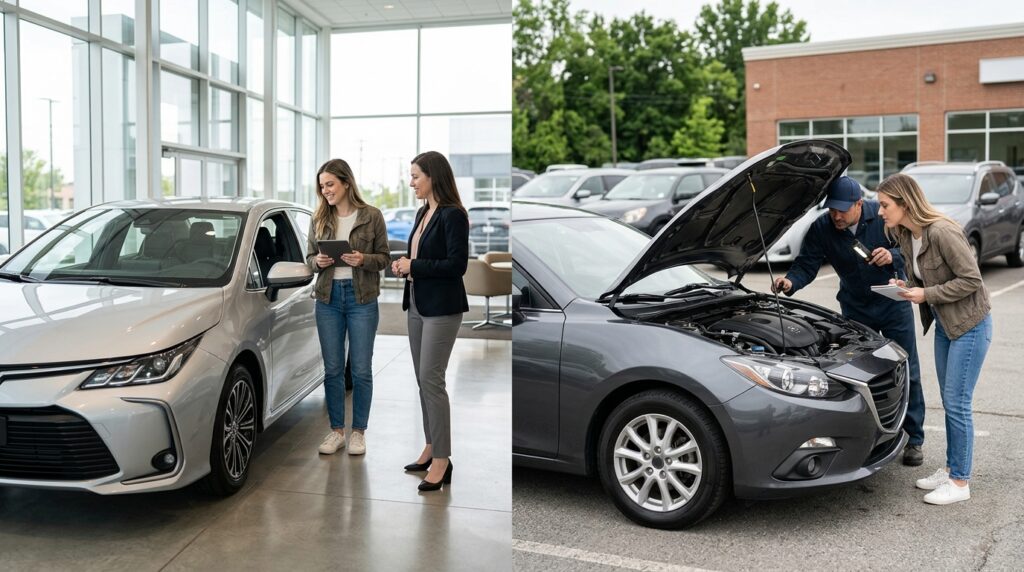
Another important part of how to choose your first car is deciding whether to buy a new car or a used car. Both options can be good, but they serve different needs.
Buying a New Car
A new car usually comes with a warranty, modern safety features, and no previous ownership history. You also do not need to worry about hidden damage or poor maintenance from a previous owner.
However, new cars are more expensive and usually lose value quickly during the first few years.
Buying a Used Car
A used car usually costs less and can offer better value. You may be able to afford a better model with more features for the same budget.
However, used cars require careful inspection. You should check the mileage, service history, accident records, tires, brakes, engine condition, and vehicle history report.
For many first-time buyers, a reliable used car or certified pre-owned vehicle can be a smart choice.
Step 4: Focus on Reliability
Reliability is one of the most important factors when learning how to choose your first car. A reliable vehicle can save you money, reduce stress, and help you avoid unexpected breakdowns.
Look for models with a strong reputation for durability and affordable maintenance. Read owner reviews, compare reliability ratings, and research common problems for each model you are considering.
A cheap car is not always a good deal if it needs frequent repairs. Sometimes, paying slightly more for a reliable car can save you money in the long run.
Step 5: Check Safety Features
Safety should always be a priority when deciding how to choose your first car. This is especially true for new drivers who are still building experience and confidence on the road.
Important safety features include:
- Anti-lock braking system
- Electronic stability control
- Multiple airbags
- Rearview camera
- Blind spot monitoring
- Lane departure warning
- Automatic emergency braking
- Forward collision warning
- Tire pressure monitoring system
You do not need every luxury feature, but basic safety technology can make everyday driving safer. Before buying, compare safety ratings and check how different models perform in crash tests.
Step 6: Think About Fuel Economy
Fuel economy is another key factor in how to choose your first car. A fuel-efficient vehicle can reduce your monthly expenses, especially if you drive every day.
When comparing cars, check the miles per gallon or fuel consumption rating. Smaller cars, hybrids, and some compact SUVs often offer better fuel economy than large trucks or performance vehicles.
However, fuel economy should match your actual needs. If you need more cargo space or passenger room, a slightly larger vehicle may be worth the extra fuel cost.
Choosing a fuel-efficient first car is one of the easiest ways to reduce long-term ownership costs.
Step 7: Compare Insurance Costs
Insurance is often forgotten by first-time buyers, but it is a major part of how to choose your first car. Two cars with similar prices can have very different insurance costs.
Insurance rates may depend on:
- Vehicle model
- Vehicle age
- Engine size
- Safety features
- Repair costs
- Theft risk
- Driver age
- Driving history
- Location
Before buying, get insurance quotes for at least three cars you are considering. This can help you avoid choosing a car that seems affordable but becomes expensive every month.
Step 8: Take a Proper Test Drive
A test drive is essential when learning how to choose your first car. Photos, videos, and online reviews are useful, but they cannot show you how the car feels in real driving conditions.
During the test drive, check:
- Seat comfort
- Visibility
- Steering response
- Brake feel
- Acceleration
- Cabin noise
- Suspension comfort
- Parking ease
- Dashboard controls
- Air conditioning and electronics
Drive on different roads if possible. Try city streets, turns, parking areas, and highway speeds. A car may look perfect online but feel uncomfortable once you drive it.
Step 9: Inspect the Car Carefully
If you are buying a used car, inspection is one of the most important steps in how to choose your first car. Even if the vehicle looks clean, it may have hidden problems.
Check these areas carefully:
- Exterior paint condition
- Rust
- Tire wear
- Brake condition
- Engine leaks
- Transmission performance
- Interior damage
- Seat belts
- Lights and signals
- Air conditioning
- Service records
- Vehicle history report
If you are not experienced with cars, hire a trusted mechanic for a pre-purchase inspection. This small cost can help you avoid expensive repairs later.
Step 10: Avoid Common First-Time Buyer Mistakes
Understanding how to choose your first car also means knowing what mistakes to avoid.
Common mistakes include:
- Buying based only on appearance
- Ignoring insurance costs
- Skipping the test drive
- Not checking service history
- Choosing a car that is too expensive
- Forgetting maintenance costs
- Trusting the seller too quickly
- Not comparing multiple options
- Buying under pressure
- Ignoring warning signs
Take your time and compare at least three vehicles before making a final decision. If a seller pressures you to buy immediately, that is a warning sign.
Step 11: Choose Practical Features Over Luxury Features
Luxury features can be attractive, but they are not always necessary for a first car. Heated seats, premium speakers, large touchscreens, and leather interiors are nice, but they should not be more important than safety, reliability, and affordability.
Useful first-car features include:
- Good visibility
- Easy parking
- Comfortable seats
- Simple controls
- Good fuel economy
- Strong safety features
- Affordable maintenance
- Reliable engine and transmission
A practical car will serve you better every day than a stylish car that is expensive to maintain.
Step 12: Review the Final Cost Before Buying
The final step in how to choose your first car is reviewing the total cost before signing anything. Make sure you understand every fee, tax, warranty option, loan term, and monthly payment.
Ask for a written breakdown of:
- Vehicle price
- Taxes
- Dealer fees
- Registration fees
- Warranty cost
- Financing charges
- Total amount financed
- Final monthly payment
Do not sign anything you do not understand. A good buying decision should feel calm and informed, not rushed or confusing.
Best Types of Cars for First-Time Buyers
Choosing the right type of vehicle is another important part of how to choose your first car.
Compact Cars
Compact cars are easy to park, fuel-efficient, and usually affordable. They are a good choice for students, city drivers, and people who want low running costs.
Sedans
Sedans offer more space than compact cars while still being comfortable and efficient. They are practical for commuting, small families, and daily driving.
Small SUVs
Small SUVs provide extra cargo space and a higher driving position. They may cost more than compact cars, but they can be useful if you need more room.
Certified Pre-Owned Cars
Certified pre-owned cars can offer a balance between price and peace of mind. These vehicles are used, but they usually pass inspections and may include a limited warranty.

FAQ About How to Choose Your First Car
What is the best first car for a beginner?
The best first car for a beginner is usually safe, reliable, affordable, fuel-efficient, and easy to drive. Compact cars, sedans, and small SUVs are often good choices.
Should my first car be new or used?
A used car can be a smart first choice because it usually costs less. However, a new car may offer better warranty coverage and newer safety features. The best option depends on your budget.
How much should I spend on my first car?
You should spend an amount that allows you to cover the total cost of ownership, including insurance, fuel, maintenance, repairs, and registration. Avoid buying a car that creates financial stress.
Is mileage important when buying a first car?
Yes, mileage is important, but it is not the only factor. A well-maintained high-mileage car may be better than a low-mileage car with poor service history.
Should I get a mechanic to inspect my first car?
Yes. If you are buying a used car, a mechanic inspection is highly recommended. It can help you find hidden problems before you pay.
What should I avoid when buying my first car?
Avoid cars with unclear history, accident damage, flood damage, warning lights, missing service records, high repair costs, or sellers who pressure you to buy quickly.
How do I know how to choose your first car wisely?
You can choose wisely by comparing your budget, daily driving needs, safety features, fuel economy, insurance costs, reliability, and inspection results before making a final decision.
Conclusion
Learning how to choose your first car is about making a smart, practical, and confident decision. Your first car should match your lifestyle, budget, safety needs, and long-term ownership goals.
Do not choose a car only because it looks attractive or has a low monthly payment. Look at the full picture, including reliability, fuel economy, insurance, maintenance, safety, and resale value.
If you take your time, compare your options, test drive carefully, and inspect any used vehicle before buying, you will understand how to choose your first car in a way that protects both your money and your peace of mind. For more safety information, you can check the official NHTSA vehicle safety ratings.
