
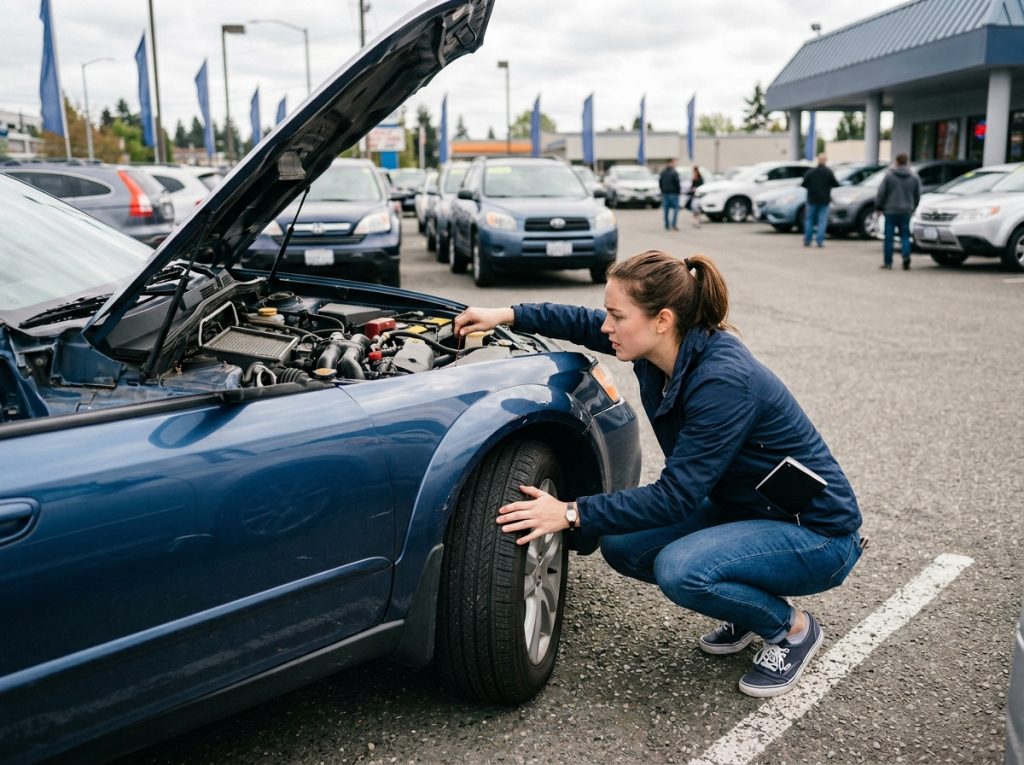
Buying a used car can be a smart way to save money, but it can also be risky if you do not know what to inspect. A used car may look clean on the outside, but it could have hidden mechanical problems, accident history, poor maintenance, or expensive repairs waiting for the next owner. That is why understanding the things to check before buying a used car is important before you make a final decision.
A good used car should be reliable, safe, fairly priced, and properly maintained. However, you should never rely only on the seller’s words or attractive photos. You need to check the car carefully, review the documents, take a proper test drive, and consider a professional inspection.
In this guide, we will cover the 10 things to check before buying a used car in 2026. These steps can help you avoid bad deals, reduce repair risks, and choose a vehicle that fits your budget and daily driving needs.
If you are still planning your car purchase, you may also want to read our complete guide on how to choose your first car before checking a used vehicle.
Why Checking a Used Car Carefully Matters
Used cars can offer excellent value, especially because they usually cost less than new cars and may lose value more slowly. However, every used car has a history. Some vehicles have been well maintained, while others may have been neglected, damaged, or repaired poorly.
Checking a used car carefully matters because it helps you understand the real condition of the vehicle. A low price is not always a good deal if the car needs major repairs soon after purchase. Problems with the engine, transmission, brakes, suspension, or electrical system can quickly turn a cheap used car into an expensive mistake.
When you know the most important things to check before buying a used car, you can make a more confident and practical decision.
1. Vehicle History Report
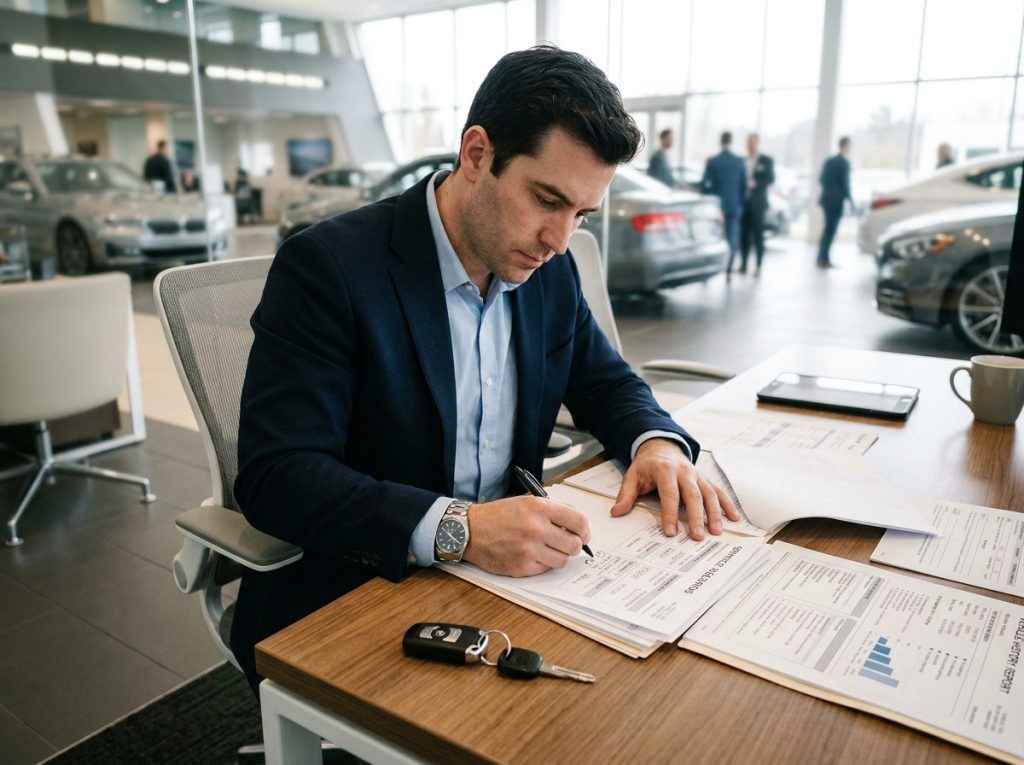
One of the first things to check before buying a used car is the vehicle history report. This report can show important information about the car’s past, including accidents, title status, previous owners, mileage records, and sometimes service history.
A vehicle history report can help you spot warning signs such as flood damage, salvage titles, odometer problems, or repeated ownership changes. These issues do not always mean you should reject the car immediately, but they should make you more careful.
When reviewing the report, check whether the mileage looks consistent over time. Also look for major accident records, title problems, and gaps in the car’s history. A clean history report does not guarantee that the car is perfect, but it is a useful first step.
<p>You can also use trusted vehicle history tools such as CARFAX vehicle history reports to check accident history, ownership records, mileage issues, and possible title problems before buying a used car.
2. Mileage and Age
Mileage is another important factor when buying a used car. A vehicle with very high mileage may have more wear on the engine, transmission, suspension, and interior. However, mileage should not be judged alone.
A well-maintained car with higher mileage may be better than a low-mileage car that has been poorly serviced. The age of the car also matters. Older cars may need more maintenance, even if they have not been driven much.
When checking mileage, compare it with the vehicle’s service records and overall condition. If the mileage seems unusually low or does not match the car’s wear, ask more questions.
3. Exterior Condition
The exterior of a used car can reveal signs of damage, poor repair work, or lack of care. Walk around the car slowly and check the paint, body panels, lights, mirrors, bumpers, doors, hood, and trunk.
Look for dents, scratches, rust, mismatched paint, uneven panel gaps, or signs of repainting. These may indicate previous accidents or body repairs. Rust can be especially serious because it may spread over time and become expensive to fix.
Do not inspect the car only in poor lighting or bad weather. If possible, check it during daylight so you can see the body condition more clearly.
4. Tires and Wheels
Tires are among the most practical things to check before buying a used car because they can show how the vehicle has been maintained and driven. Uneven tire wear may suggest alignment issues, suspension problems, or poor tire rotation habits.
Check the tread depth, sidewalls, and overall tire condition. Look for cracks, bulges, uneven wear, or damage. Also check whether all four tires are the same size and preferably the same brand or type.
Wheels should also be inspected for cracks, bends, or heavy damage. If the tires need replacement soon, include that cost in your buying decision.
5. Engine Condition
The engine is one of the most expensive parts of a car, so it deserves careful attention. Open the hood and look for leaks, worn belts, damaged hoses, corrosion, or signs of poor maintenance.
Start the engine and listen carefully. It should start smoothly without strange knocking, ticking, or grinding sounds. Watch for excessive smoke from the exhaust, especially blue, white, or black smoke, because this can indicate engine problems.
Check the oil condition if possible. Very dirty oil or low oil levels may suggest poor maintenance. A clean engine bay is nice, but it should not be the only thing you trust. Some sellers clean the engine bay to hide leaks.
6. Transmission Performance
Transmission problems can be very expensive to repair. Whether the car has an automatic or manual transmission, it should shift smoothly without delay, slipping, shaking, or strange noises.
During a test drive, pay attention to how the car changes gears. An automatic transmission should not jerk heavily or hesitate too much. A manual transmission should shift smoothly, and the clutch should not feel weak or unusually high.
Transmission performance is one of the most important things to check before buying a used car, especially if the vehicle has high mileage.
7. Brakes and Suspension
Brakes and suspension directly affect safety and driving comfort. During your inspection and test drive, check whether the brakes feel firm and responsive. The car should stop smoothly without vibration, grinding sounds, or pulling to one side.
Suspension problems may appear as clunking noises, excessive bouncing, uneven tire wear, or poor handling. When driving over bumps, the car should feel controlled and stable.
If the brake pedal feels too soft, the steering shakes while braking, or the car pulls to one side, ask a mechanic to inspect it before buying.
8. Interior and Electronics
The interior condition can tell you a lot about how the car was treated. Check the seats, dashboard, carpets, headliner, door panels, and trunk area. Look for heavy wear, stains, water damage, strange smells, or signs of smoking.
Test all electronics, including power windows, door locks, lights, air conditioning, heating, infotainment system, charging ports, mirrors, windshield wipers, and dashboard controls.
Electrical problems can be annoying and sometimes expensive to diagnose. A clean and fully working interior is a good sign, but you should still test everything carefully.
9. Safety Features
Safety should always be a priority. Check whether the car has important safety features such as airbags, anti-lock brakes, stability control, traction control, rearview camera, blind spot monitoring, or lane warning systems.
Also make sure dashboard warning lights turn on briefly when starting the car and then turn off properly. If warning lights stay on, such as the airbag light, ABS light, check engine light, or traction control light, the car may need repair.
Safety features are especially important for new drivers, families, and anyone who uses the car daily.
10. Test Drive and Mechanic Inspection
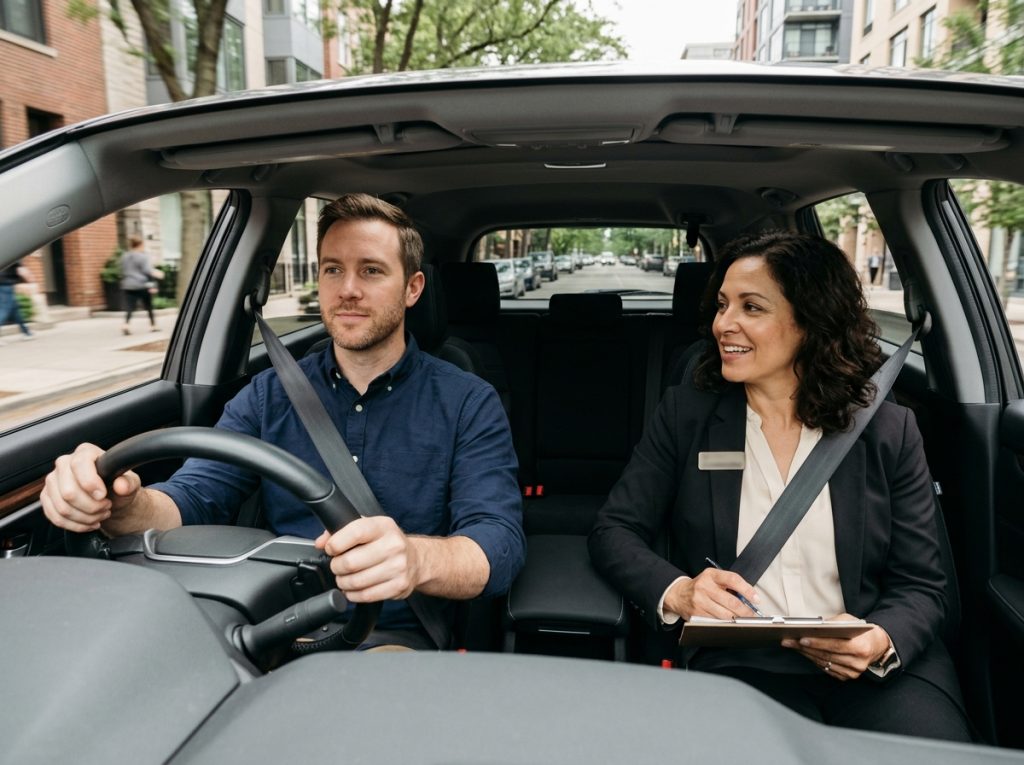
A test drive is one of the final things to check before buying a used car. Never buy a used vehicle without driving it first. A car may look good in photos, but the test drive can reveal issues with steering, braking, acceleration, suspension, transmission, or comfort.
Drive the car in different conditions if possible. Try city streets, turns, parking areas, and a faster road. Listen for unusual sounds and notice how the car feels.
After the test drive, consider getting a pre-purchase inspection from a trusted mechanic. This small cost can help you avoid expensive mistakes. A mechanic can check areas that most buyers may miss, including leaks, frame damage, suspension wear, brake condition, and engine health.
Common Mistakes to Avoid When Buying a Used Car
Many buyers make mistakes because they get excited about the price or appearance of the vehicle. Avoid these common problems:
- Buying without checking the vehicle history report
- Skipping the test drive
- Ignoring warning lights
- Trusting the seller too quickly
- Not checking service records
- Forgetting repair and maintenance costs
- Buying only because the price is low
- Not comparing similar cars
- Skipping a mechanic inspection
- Ignoring signs of accident or flood damage
A used car purchase should feel calm, practical, and well researched. If the seller pressures you to buy immediately, that is a warning sign.
Final Used Car Buying Checklist
Before making your decision, review this quick checklist:
- Vehicle history report
- Mileage and age
- Exterior condition
- Tires and wheels
- Engine condition
- Transmission performance
- Brakes and suspension
- Interior and electronics
- Safety features
- Test drive and mechanic inspection
These are the most important things to check before buying a used car if you want to reduce risk and make a smarter purchase.
Related guide: If you are buying a car for the first time, read our full guide on how to choose your first car. If you are still deciding between buying new or used, compare both options in our new car vs used car guide.
FAQ About Things to Check Before Buying a Used Car
What is the most important thing to check before buying a used car?
The most important thing is the overall mechanical condition, especially the engine, transmission, brakes, and suspension. You should also check the vehicle history report and service records.
Should I always get a mechanic inspection before buying a used car?
Yes, a mechanic inspection is highly recommended. It can reveal hidden problems that may not be obvious during a simple test drive.
Is high mileage always bad on a used car?
Not always. A high-mileage car with good maintenance records may be better than a low-mileage car that was poorly maintained.
What warning signs should I avoid?
Avoid cars with salvage titles, flood damage, major accident history, warning lights, strange engine noises, poor maintenance records, or sellers who refuse inspections.
How long should a used car test drive be?
A test drive should be long enough to check acceleration, braking, steering, suspension, visibility, comfort, and parking. Try to drive on different road types if possible.
Can I buy a used car without service records?
You can, but it is riskier. Service records help prove that the car was maintained properly. Without them, a mechanic inspection becomes even more important.
Conclusion
Buying a used car can be a smart and affordable choice, but only if you inspect it carefully. The right vehicle can save you money and serve you well for years. The wrong one can lead to expensive repairs, safety concerns, and regret.
By following these 10 things to check before buying a used car, you can avoid many common mistakes and make a more confident decision. Always review the vehicle history, inspect the exterior and interior, check the engine and transmission, test the brakes and suspension, and take a proper test drive.
Most importantly, do not rush. A reliable used car is worth searching for, and a careful inspection can protect both your money and your safety.
