
What Is a Car VIN? 7 Reasons It Matters in 2026. When buying, selling, registering, or insuring a vehicle, one small code can tell you a lot about the car. That code is the car VIN, also known as the Vehicle Identification Number. It may look like a random mix of letters and numbers, but it works like a fingerprint for your vehicle.
Every modern vehicle has its own unique VIN. No two vehicles should have the same one. This number can help identify the car’s manufacturer, model year, production details, history, recalls, title status, and more.
Understanding what a car VIN is can help you avoid buying the wrong vehicle, protect yourself from fraud, check important records, and make smarter decisions. In this guide, you will learn what a VIN means, where to find it, how to use it, and why it matters in 2026.
If you are buying your first vehicle, our guide on how to choose your first car can help you understand budget, safety, reliability, and daily driving needs before checking the VIN.
What Is a Car VIN?
A car VIN is a unique 17-character identification code assigned to a vehicle. VIN stands for Vehicle Identification Number. It includes both numbers and letters, but it does not usually include the letters I, O, or Q because they can be confused with numbers.
The VIN is used by manufacturers, insurance companies, dealerships, repair shops, government agencies, and buyers to identify a specific vehicle. It is not the same as a license plate. A license plate can change, but the VIN stays with the vehicle for its entire life.
A VIN can help confirm exactly what car you are looking at. This is especially useful when buying a used car because the VIN can connect the vehicle to its history report, service records, recalls, and title information.
Where Can You Find a Car VIN?
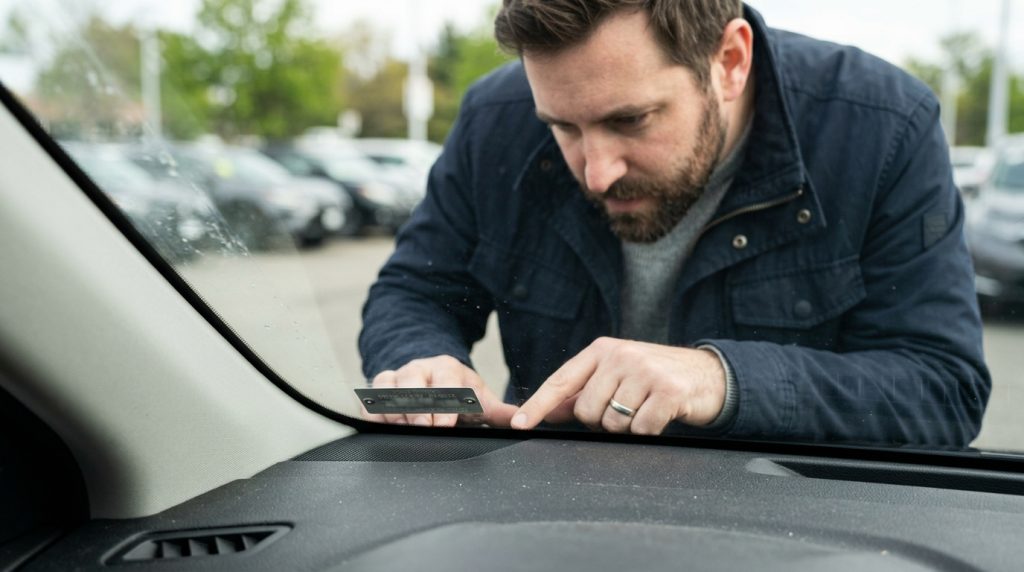
You can usually find the car VIN in several places. The most common location is on the driver’s side dashboard, near the windshield. You can often see it from outside the vehicle by looking through the windshield.
Other common VIN locations include:
- Driver’s side door frame
- Vehicle registration document
- Car title
- Insurance card
- Service records
- Loan documents
- Owner’s manual paperwork
- Some engine bay or frame locations
When checking a vehicle, make sure the VIN on the car matches the VIN on the documents. If the numbers do not match, that is a serious warning sign. It may indicate paperwork problems, title issues, theft, or incorrect records.
How Is a Car VIN Structured?
A car VIN has 17 characters, and each section gives specific information about the vehicle.
In general, a VIN can include information about:
- Country or region of manufacture
- Manufacturer
- Vehicle type
- Body style
- Engine type
- Model year
- Assembly plant
- Production number
The first part usually identifies the manufacturer and country. The middle section gives details about the vehicle model, engine, and body type. The later characters often show the model year, factory, and production sequence.
Most buyers do not need to manually decode every character. However, knowing that the VIN contains real vehicle information helps you understand why it is important.
1. A Car VIN Helps Identify the Exact Vehicle
One of the main reasons a car VIN matters is that it identifies the exact vehicle, not just the make and model. Two cars may look similar, but they can have different engines, trims, production years, safety equipment, or factory options.
For example, two sedans from the same brand may have different engines or safety packages. The VIN helps confirm which version you are actually checking.
This matters when buying parts, comparing insurance quotes, checking recalls, or reviewing vehicle history. Without the correct VIN, you may receive inaccurate information.
2. A Car VIN Helps Check Vehicle History
A VIN is very useful when researching a used car. You can use the car VIN to request a vehicle history report, which may show accident records, title status, mileage records, ownership history, and sometimes service information.
A vehicle history report can help reveal warning signs such as:
- Salvage title
- Flood damage
- Major accidents
- Odometer problems
- Multiple ownership changes
- Theft records
- Reported damage
- Past registration locations
A clean report does not guarantee the car is perfect, but it gives you more information before making a decision. For used car buyers, checking the VIN is one of the smartest steps before purchase.
3. A Car VIN Can Help Detect Fraud
Fraud can happen in the used car market. Some sellers may hide accident history, change documents, or misrepresent the vehicle. A car VIN can help protect buyers by allowing them to compare records from different sources.
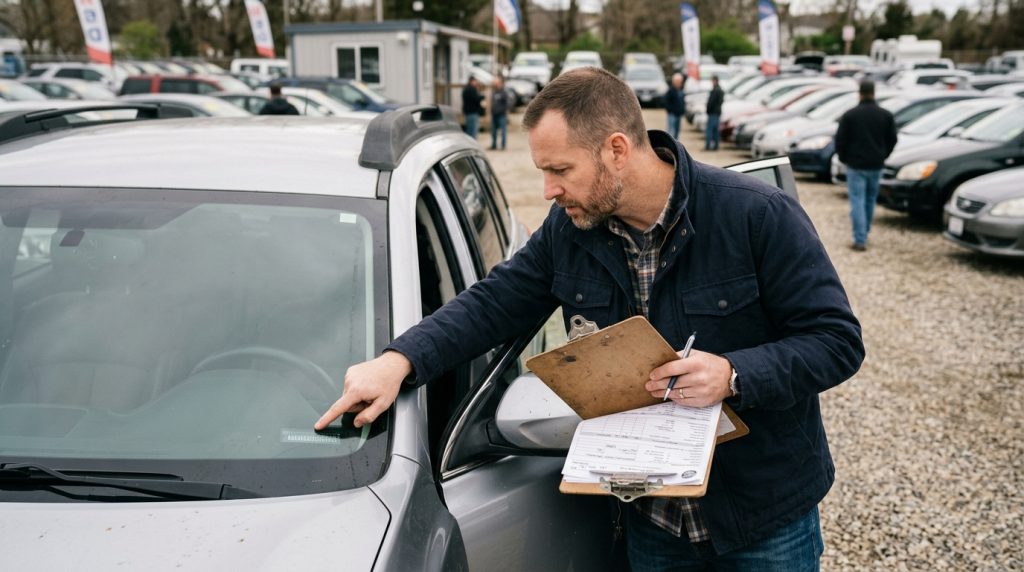
When inspecting a car, check whether the VIN appears consistent across the dashboard, door frame, title, registration, and insurance documents. The number should match exactly.
Warning signs include:
- VIN plate looks damaged or altered
- VIN does not match the title
- Seller avoids providing the VIN
- Vehicle history does not match the seller’s story
- Mileage records seem inconsistent
- Title status looks suspicious
If something feels wrong, do not rush the purchase. A mismatched or suspicious VIN should always be investigated carefully.
You can also use NICB VINCheck to see whether a vehicle may have been reported as an unrecovered stolen vehicle or reported as a salvage vehicle by participating NICB member insurance companies.
4. A Car VIN Is Needed for Insurance
Insurance companies often require the car VIN to give an accurate quote. The VIN helps the insurer identify the vehicle’s exact model, trim, engine, safety features, and risk profile.
Insurance costs can vary depending on the vehicle’s repair cost, safety rating, theft risk, and parts availability. A VIN helps make the quote more accurate than simply providing the make and model.
Before buying a car, it is smart to get insurance quotes using the VIN. This can help you avoid choosing a vehicle that looks affordable but has unexpectedly high insurance costs.
5. A Car VIN Helps Check Recalls
Manufacturers sometimes issue recalls when a vehicle has a safety problem or defect. A recall may involve airbags, brakes, fuel systems, electrical parts, seat belts, or other important components.
Using the car VIN, you can check whether a specific vehicle has open recalls. This is better than checking only by model because not every car from the same model year is affected by the same recall.
Before buying a used car, check for open recalls and ask whether the repair has already been completed. Recall repairs are often handled by authorized dealers, but you should confirm the status before purchase.
6. A Car VIN Helps With Registration and Title
The VIN is required for vehicle registration, title transfer, and many official documents. When a car changes ownership, the car VIN helps confirm which vehicle is being transferred.
This protects both the buyer and the seller. It also helps government agencies track ownership, taxes, registration, and legal status.
Before signing paperwork, compare the VIN on the title, registration, bill of sale, and vehicle itself. Every character should match. A small mistake can cause delays or legal problems later.
7. A Car VIN Helps When Buying Parts or Servicing the Vehicle
Repair shops and parts suppliers may use the car VIN to identify the correct parts for your vehicle. This matters because one model can have different engines, transmissions, brake systems, or trim packages.
Using the VIN can reduce the risk of buying the wrong part. It can also help mechanics confirm technical details before servicing the vehicle.
For long-term ownership, keeping your VIN handy can make maintenance, repairs, insurance, and documentation easier.
Car VIN vs License Plate: What Is the Difference?
A VIN and a license plate are not the same. A license plate is issued by a government authority and can change when the vehicle is sold, moved to another state, or re-registered.
A car VIN is assigned to the vehicle itself and stays with it permanently. Even if the plate changes, the VIN remains the same.
This is why vehicle history reports are usually based on the VIN rather than the license plate. The VIN is the more permanent identifier.
How to Check a Car VIN Before Buying
Before buying a used car, always ask for the VIN early in the process. A serious seller should be willing to provide it.
Use this simple checklist:
- Ask for the VIN before meeting the seller
- Check the VIN on the dashboard
- Compare it with the title and registration
- Run a vehicle history report
- Check for open recalls
- Review mileage records
- Ask about service history
- Watch for signs of VIN tampering
- Confirm the VIN before payment
If a seller refuses to share the VIN, that is a warning sign. A buyer should be able to verify the vehicle before making a financial decision.
Common VIN Mistakes to Avoid
Many buyers know that a VIN exists, but they do not use it properly. Avoid these common mistakes:
- Checking only the license plate
- Not comparing the VIN with the documents
- Ignoring title problems
- Skipping the vehicle history report
- Forgetting to check recalls
- Trusting the seller without verification
- Entering the VIN incorrectly
- Not checking for mileage inconsistencies
- Buying before confirming the VIN
These mistakes can lead to expensive problems, especially when buying a used car.
FAQ About Car VIN
What does car VIN mean?
Car VIN means Vehicle Identification Number. It is a unique 17-character code used to identify a specific vehicle.
Is a VIN the same as a license plate?
No. A license plate can change, but a VIN stays with the vehicle for its entire life.
Where is the VIN located on a car?
The VIN is often located on the driver’s side dashboard near the windshield and on the driver’s side door frame. It also appears on registration, title, and insurance documents.
Can I check a vehicle history with a VIN?
Yes. You can use the VIN to request a vehicle history report, check title status, review mileage records, and look for reported accidents.
Should I give someone my VIN?
In normal car buying, selling, insurance, and service situations, sharing the VIN is common. However, only share it with trusted buyers, sellers, insurance providers, repair shops, or official services.
What if the VIN does not match the title?
Do not ignore it. A VIN mismatch can indicate paperwork errors, title problems, theft, or fraud. Investigate before buying the vehicle.
Conclusion
A car VIN may look like a simple string of letters and numbers, but it is one of the most important pieces of information about a vehicle. It helps identify the exact car, check history, verify documents, detect fraud, review recalls, get insurance quotes, and order the right parts.
Before buying a used car, always check the VIN carefully. Make sure it matches the title, registration, and the vehicle itself. Use it to review history reports, mileage records, title status, and recall information.
The more you understand the VIN, the better prepared you are to make a smart car buying decision. A few minutes of checking the car VIN can help protect your money, your safety, and your confidence as a buyer.
