
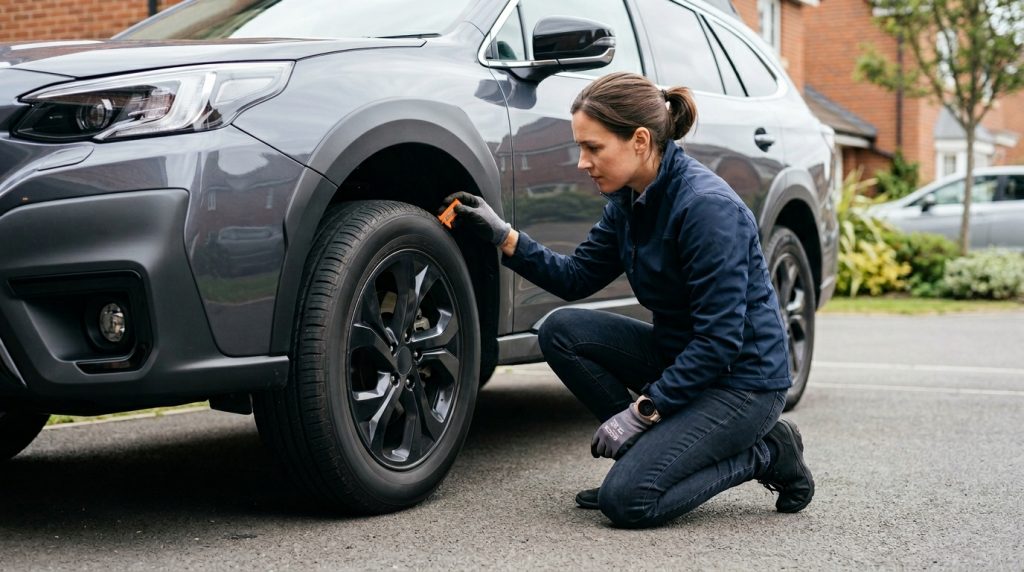
Tires are one of the most important parts of your vehicle. They affect safety, braking, fuel economy, handling, comfort, and long-term ownership costs. However, many drivers do not think about tire care until they notice uneven wear, low pressure, poor traction, or a flat tire. Learning how to make car tires last longer can help you save money and drive more safely.
Car tires do not last forever, but proper maintenance can help them wear more evenly and perform better for a longer time. Small habits such as checking tire pressure, rotating tires, avoiding aggressive driving, and keeping your wheels aligned can make a big difference.
In this guide, you will learn how to make car tires last longer in 2026 with simple, practical tips every driver can follow.
Why Tire Maintenance Matters
Tire maintenance matters because your tires are the only parts of the vehicle that touch the road. Even a powerful engine, advanced brakes, and modern safety systems depend on good tire contact.
Poor tire condition can lead to:
- Longer braking distance
- Lower fuel economy
- Uneven tire wear
- Poor handling
- Reduced traction
- Higher risk of blowouts
- More frequent tire replacement
- Less comfortable driving
When you know how to make car tires last longer, you can improve safety and reduce unnecessary expenses. A well-maintained set of tires can give you better value and more confidence on the road.
For official tire safety guidance, NHTSA TireWise explains how tire pressure, tread wear, tire age, vehicle load, and proper maintenance affect safety and tire performance.
1. Check Tire Pressure Regularly
One of the easiest ways to make car tires last longer is to keep them properly inflated. Tire pressure affects how evenly tires touch the road.
If tire pressure is too low, the outer edges of the tire may wear faster. Low pressure can also increase heat buildup and reduce fuel economy. If tire pressure is too high, the center of the tire may wear faster and the ride may feel harsher.
Check tire pressure at least once a month and before long trips. Use the recommended pressure listed in your owner’s manual or on the driver’s door sticker. Do not rely only on the number printed on the tire sidewall, because that usually shows the maximum pressure, not the recommended pressure for your vehicle.
For the most accurate reading, check tire pressure when the tires are cold.
2. Rotate Your Tires on Schedule
Tire rotation helps tires wear more evenly. Front and rear tires often wear at different rates because they handle different loads and driving forces.
For example, front tires may wear faster on front-wheel-drive vehicles because they handle steering, braking, and power delivery. Rotating tires moves them to different positions so the wear pattern is more balanced.
A common rotation schedule may be every 5,000 to 7,500 miles, but you should follow your owner’s manual. Some vehicles have different tire sizes in front and rear, which may limit rotation options.
Regular tire rotation is one of the most practical ways to make car tires last longer and avoid replacing tires too early.
3. Keep Wheels Properly Aligned
Wheel alignment affects how your tires meet the road. If the wheels are misaligned, tires may wear unevenly and quickly.
Signs of poor alignment include:
- Car pulls to one side
- Steering wheel is off-center
- Uneven tire wear
- Steering feels unstable
- Tires squeal during turns
Misalignment can happen after hitting potholes, curbs, road debris, or driving on rough roads. Even small alignment problems can reduce tire life over time.
If you notice uneven wear or steering problems, have the alignment checked by a professional. Proper alignment helps your tires wear evenly and improves handling.
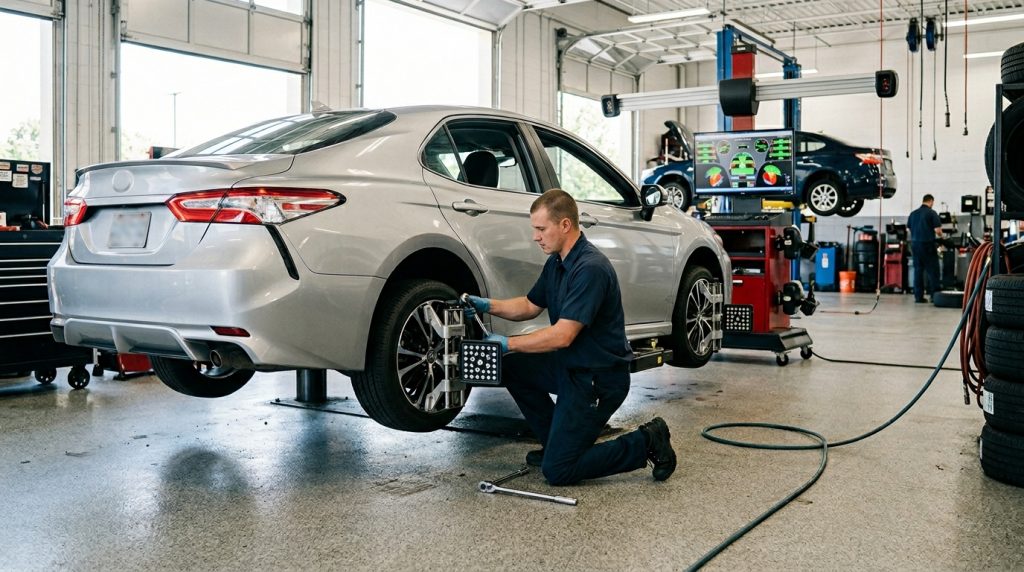
4. Balance Your Tires When Needed
Tire balancing helps distribute weight evenly around the tire and wheel assembly. If a tire is unbalanced, you may feel vibration while driving, especially at higher speeds.
Unbalanced tires can cause:
- Uneven wear
- Steering wheel vibration
- Less comfortable driving
- Extra stress on suspension parts
- Faster tire damage
Balancing is often done when new tires are installed, but tires may need rebalancing over time. If you feel vibration while driving, especially after tire service or hitting a pothole, have the tires checked.
Balancing may seem like a small detail, but it can help make car tires last longer and improve ride comfort.
5. Avoid Aggressive Driving
Your driving habits have a major effect on tire life. Hard braking, fast cornering, quick acceleration, and sudden stops can wear tires much faster.
Aggressive driving creates extra friction and heat. Over time, this can reduce tread life and make tires less effective. Smooth driving is better for tires, brakes, suspension, fuel economy, and passenger comfort.
To protect your tires:
- Accelerate smoothly
- Brake gently when possible
- Slow down before turns
- Avoid sharp cornering
- Keep a safe following distance
- Avoid spinning the tires
If you want to make car tires last longer, drive smoothly and avoid unnecessary stress on the tires.
6. Check Tire Tread Depth
Tread depth affects traction, especially in rain or slippery conditions. As tires wear down, they lose their ability to grip the road and move water away from the contact patch.
Low tread can increase the risk of hydroplaning and reduce braking performance. That is why checking tread depth is important for both safety and tire maintenance.
You can check tread depth with a tread depth gauge or ask a mechanic during routine service. Also look for uneven wear patterns, cracks, cuts, bulges, or embedded objects.
If one tire wears much faster than the others, there may be an alignment, suspension, or pressure problem.
If you are buying a pre-owned vehicle, tire condition should be one of the things to check before buying a used car because uneven wear may reveal hidden alignment or suspension problems.
7. Do Not Overload Your Vehicle
Every tire has a load rating. Carrying too much weight can create extra heat and stress, causing tires to wear faster or even fail.
Overloading may happen during road trips, moving, carrying heavy tools, towing, or loading too many passengers and items. The heavier the vehicle, the harder the tires work.
To protect your tires, check your vehicle’s load limits in the owner’s manual or door sticker. Also make sure tire pressure is correct before carrying heavier loads.
Avoiding overload is a simple way to make car tires last longer and reduce safety risks.
8. Inspect Tires for Damage
Regular visual inspection can help you find tire problems early. You do not need to be a mechanic to notice basic warning signs.
Look for:
- Cracks
- Bulges
- Cuts
- Nails or screws
- Uneven tread wear
- Sidewall damage
- Exposed cords
- Flat spots
- Low pressure
A bulge on the sidewall can be especially dangerous because it may indicate internal tire damage. Do not ignore it.
Inspect your tires every few weeks and before long trips. If you find damage, ask a tire professional whether the tire can be repaired or needs replacement.
9. Store Tires Properly
If you use seasonal tires, proper storage matters. Tires can age faster if they are stored in direct sunlight, high heat, moisture, or near chemicals.
When storing tires:
- Clean them first
- Keep them in a cool, dry place
- Avoid direct sunlight
- Keep them away from oil or solvents
- Use tire bags if possible
- Store them according to professional recommendations
Good storage can help preserve rubber quality and extend tire life.
How Long Should Car Tires Last?
Tire life depends on tire type, driving habits, road conditions, maintenance, climate, and vehicle type. Some tires may last tens of thousands of miles, while others wear faster because of performance design or poor maintenance.
The best way to know whether your tires are still safe is to check tread depth, age, damage, and wear patterns. Even if a tire has tread left, it may still become unsafe if it is too old or damaged.
To make car tires last longer, focus on consistent maintenance rather than waiting until there is a visible problem.
Common Mistakes That Shorten Tire Life
Many drivers shorten tire life without realizing it.
Avoid these common mistakes:
- Driving with low tire pressure
- Skipping tire rotation
- Ignoring alignment problems
- Not checking tread depth
- Driving aggressively
- Overloading the vehicle
- Ignoring vibrations
- Delaying tire repairs
- Mixing tire types incorrectly
- Buying cheap tires without checking quality
Tires are a safety investment. Taking care of them helps protect both your money and your passengers.
When Should You Replace Your Tires?
You should replace tires when they are worn, damaged, too old, or unsafe. Warning signs may include very low tread, sidewall bulges, deep cracks, repeated air loss, vibration, or visible damage.
You may also need new tires if traction becomes poor in rain, braking distance increases, or the car feels less stable.
Do not wait until tires are completely worn out. Replacing unsafe tires early is better than risking a blowout or accident.
FAQ About How to Make Car Tires Last Longer
How can I make car tires last longer?
You can make car tires last longer by checking tire pressure, rotating tires, maintaining alignment, balancing tires, driving smoothly, checking tread depth, avoiding overload, and inspecting for damage.
How often should I check tire pressure?
You should check tire pressure at least once a month and before long trips. Always use the recommended pressure from your vehicle owner’s manual or door sticker.
How often should I rotate my tires?
Many vehicles need tire rotation every 5,000 to 7,500 miles, but the best schedule is listed in your owner’s manual.
Does wheel alignment affect tire life?
Yes. Poor alignment can cause uneven and rapid tire wear. Proper alignment helps tires last longer and improves handling.
Can aggressive driving wear out tires faster?
Yes. Hard braking, fast cornering, and quick acceleration can increase tire wear and reduce tire life.
Is it safe to drive with uneven tire wear?
Uneven tire wear can be a warning sign of alignment, suspension, or pressure problems. It should be inspected before it becomes a safety issue.
Conclusion
Learning how to make car tires last longer is one of the simplest ways to reduce car ownership costs and improve safety. Tires affect braking, handling, comfort, fuel economy, and overall vehicle performance.
The best habits are simple: check tire pressure, rotate tires on schedule, keep wheels aligned, balance tires when needed, drive smoothly, inspect tread depth, and avoid overloading your vehicle.
Tire care does not take much time, but it can save money and prevent problems. When you know how to make car tires last longer, you can get better value from every set of tires and drive with more confidence.
